




Are You Planning For Succession?
Last year, Midwest Wheel celebrated its 100th anniversary under a fourth-generation owner. Betts Spring is in its sixth generation and just promoted a sixth-generation Betts family member to vice president. But many more small businesses peris


Lack of planning could mean the end of your business.
Last year, Midwest Wheel celebrated its 100th anniversary under a fourth-generation owner. Betts Spring is in its sixth generation and just promoted a sixth-generation Betts family member to vice president.
But many more small businesses perish
with the death or retirement of their founder. What are these companies doing wrong when it comes to succession planning?
"The first thing they're doing wrong is they're not doing it," says Bill Wade of Wade & Partners, who's also executive director of the Service Specialists Association.
According to Wade, 88% of current family business owners think they will maintain control in the next five years. But only 30% of all family businesses survive into the second generation, 12% by the third generation, and 3% by the fourth generation.
If you don't plan, the unexpected death of a family business owner could mean the business is treated as part of the estate and subject to stiff estate taxes. Often, no one has the cash to pay the taxes, and the heirs have to sell the business.
The first step is to realize the need to plan. What's going to happen to your business if you're hit by the proverbial Mack truck?
Bob O'Hara, owner of O'Hara and Company and creator of the website www.exitplanning-edu.com, suggests asking yourself questions such as:
- What are your goals for you and your business?
- What is the value of your business today, and why is it worth what it is?
- What do you need to put in place to make your business independent of you?
- How long do you want to be involved in the business, and in what capacity?
- What key employees can run the business in your absence?
Next it's time for a family council. Wade says 30% of junior family business members have no knowledge of their senior generation's transfer plans. "You really have to figure out who all the potential stakeholders are and get their ideas," he says.
Find out your family's expectations. Are any of your children interested in taking over? Does the family want to operate together? If so, is the business financially capable of supporting multiple families? What about children who don't want to be a part of it?
You also need to think about whether your kids are qualified to run the business. "You have to make an honest assessment of your children," says O'Hara. "Don't assume the next generation has the same skills."
This is about more than who will own shares, Wade says. It's about "who's going to do the thankless and countless tasks which make the family business an asset worth preserving in the first place."
He says there are really three different areas of succession to consider:
1. Management succession
2. Ownership succession
3. Leadership succession
In many cases, all three are one person -- the founder of the business. As the company grows, you may find different people can fulfill these different areas. The owners don't necessarily have to be involved in the day-to-day management.
"In a non-family business, decisions regarding leadership and management of the enterprise are generally determined by considerations of competence, commitment and character," Steve Swartz, a family business consultant based in Minneapolis, notes on his website. "In a family-owned business, these objective criteria are often overshadowed by issues of blood relationship, birth order and gender."
It may be that a non-family member is the best choice for succession when it comes to management.
Research the options available for the ownership and control of land and buildings, machinery and equipment, and inventory.
You'll need to think about whether your business structure is the right one to facilitate a succession, whether it's a sole proprietorship, joint venture, partnership, C-corp, S-corp, etc.
Examine management roles for all individuals, discuss labor allocation and skill development, and research the options for financing the transfer of assets.
If you don't already have a business plan, now is a good time to create one, as well as a board of directors containing an outsider or two.
Succession planning isn't always about family.
For instance, Total Truck Parts, West Palm Beach, Fla., has a succession plan focused on developing key employees who will continue the business. It recently promoted two of its key managers to its Senior Executive Management Team, including a general manager, as part of plans both for growth and succession.
In addition, many businesses are looking at Employee Stock Ownership Programs, where ownership of the company is gradually transferred to the employees.
Once you've hashed out the outlines of what you want to accomplish, it's time to bring in professionals to handle the details. You'll want legal advice as well as tax advice. Talk to insurance specialists, trusted suppliers and lenders.
Yes, it's going to cost some money. But this is one area it's vital to get right, Wade says. "You only get one shot at doing this."
If you don't develop a succession plan, and you don't get it right the first time, it'll cost the future owners of the business -- and maybe even cost them the business.
From the Jan/Feb 2012 issue of HDAJ.
More Aftermarket
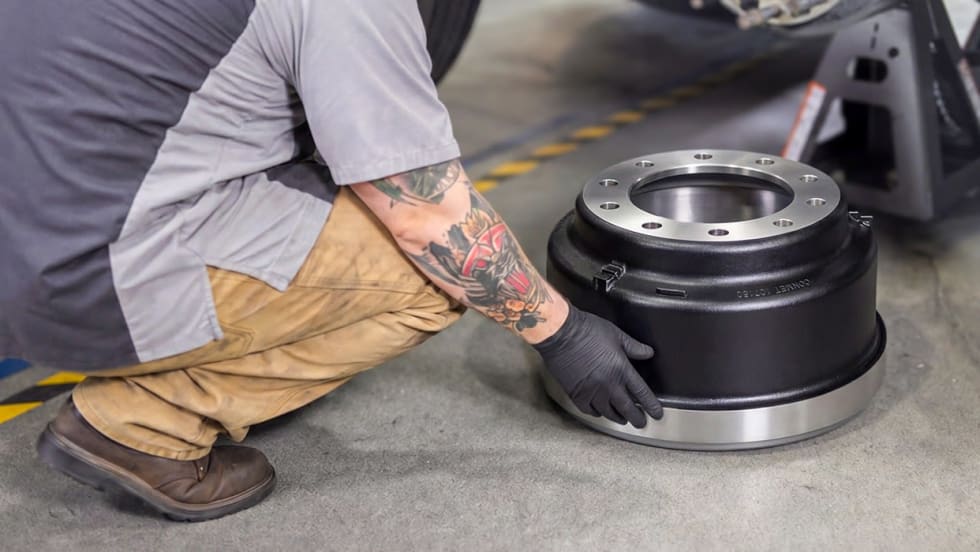
ConMet Expands Aftermarket Brake Drum Lineup With TruCast
A new heavy-duty truck brake drum option in the aftermarket gives customers more flexibility within the ConMet product family.
Read More →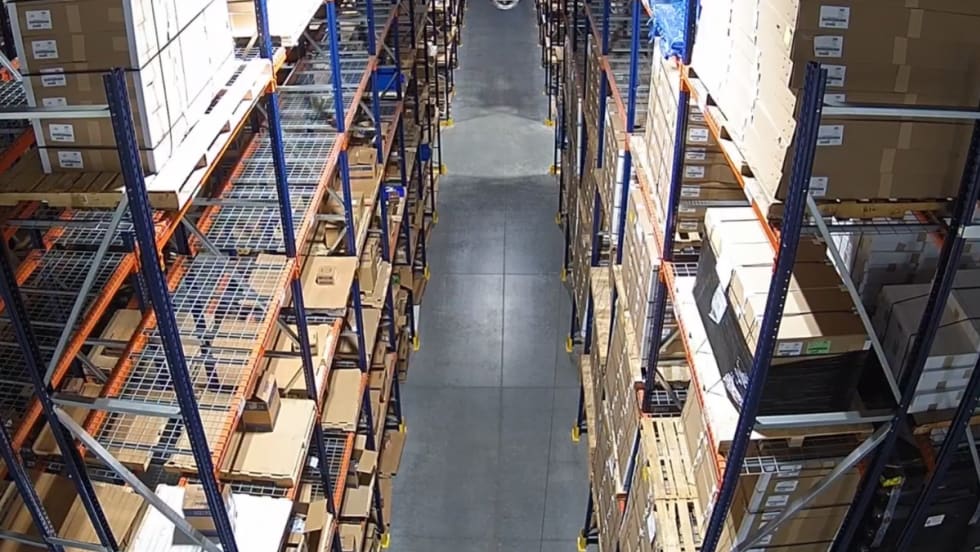
Phillips Opens High-Tech Distribution Center for Faster Parts Delivery
Phillips Industries’ new Cincinnati-area distribution center is now shipping aftermarket trucking parts nationwide, aiming to speed up delivery times for customers.
Read More →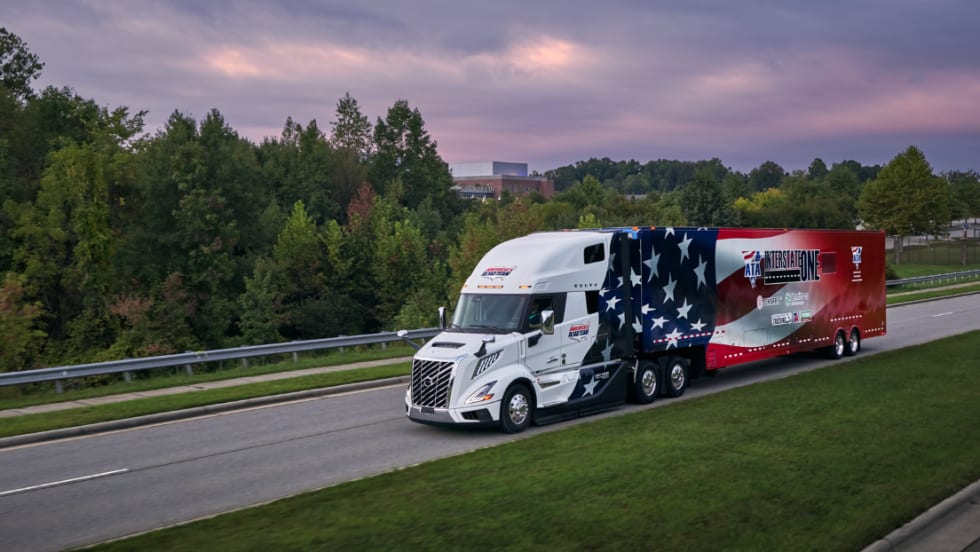
Volvo to Sponsor America’s Road Team for 2025
Volvo Trucks announced that it is extending its exclusive sponsorship of America’s Road Team for 2025.
Read More →
Webb to Start Taking Orders for UltraSet Pre-Adjusted Wheel Hubs
Webb, which recently acquired the Stemco Trifecta pre-adjusted hub program, will soon start taking orders for its replacement pre-assembled hub, the UltraSet.
Read More →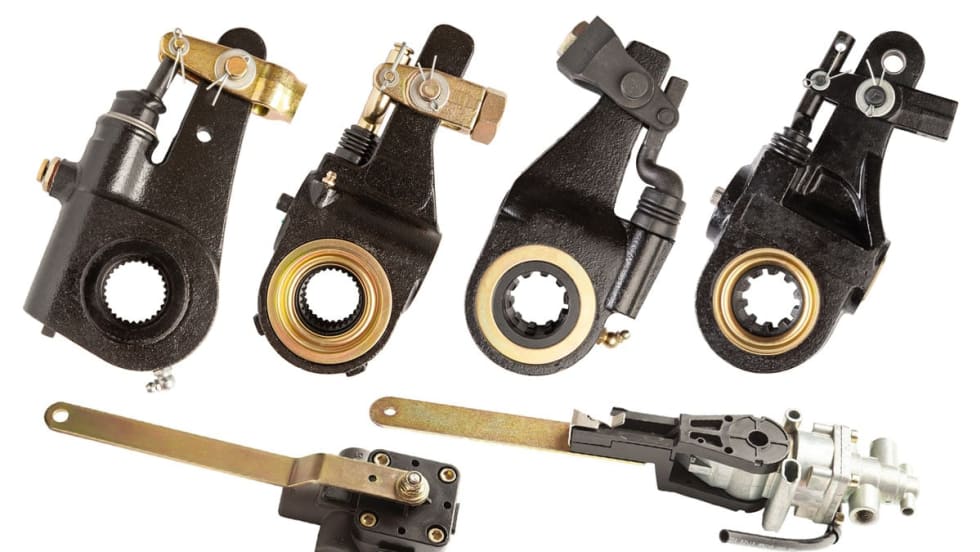
All-Makes Automatic Brake Adjusters, Ride Height Control Valves from Midland
SAF-Holland has added automatic brake adjusters and ride height control valves to its Midland All-Makes Program.
Read More →
ZF Aftermarket Expands [pro]Academy Training
ZF Aftermarket said it is expanding its ZF [pro]Academy training and will be adding 40 new modules this year.
Read More →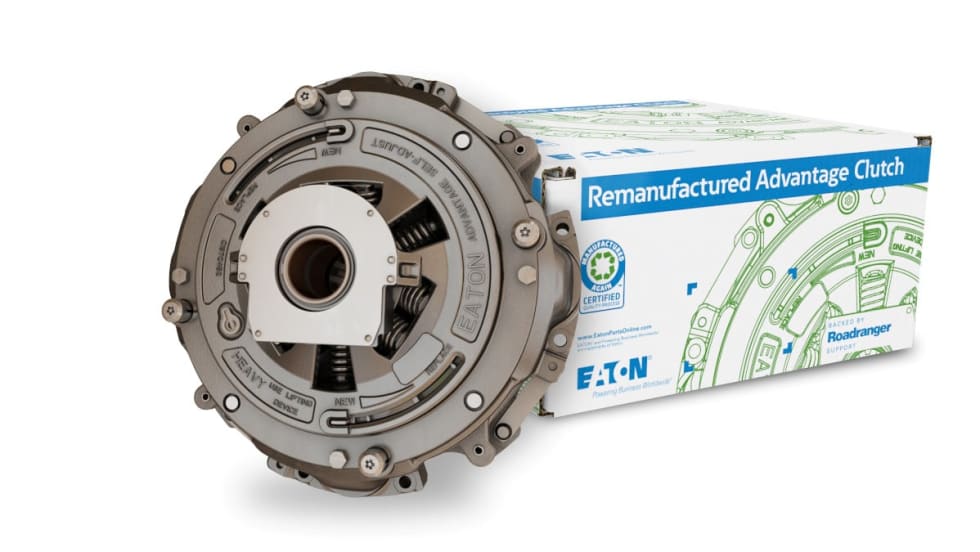
Eaton Adds Remanufactured Advantage Line of Clutches
Eaton has added its Advantage clutches to its remanufactured product line. The clutches feature a unique strap drive intermediate plate designed to allow customers to choose the latest OE specification
Read More →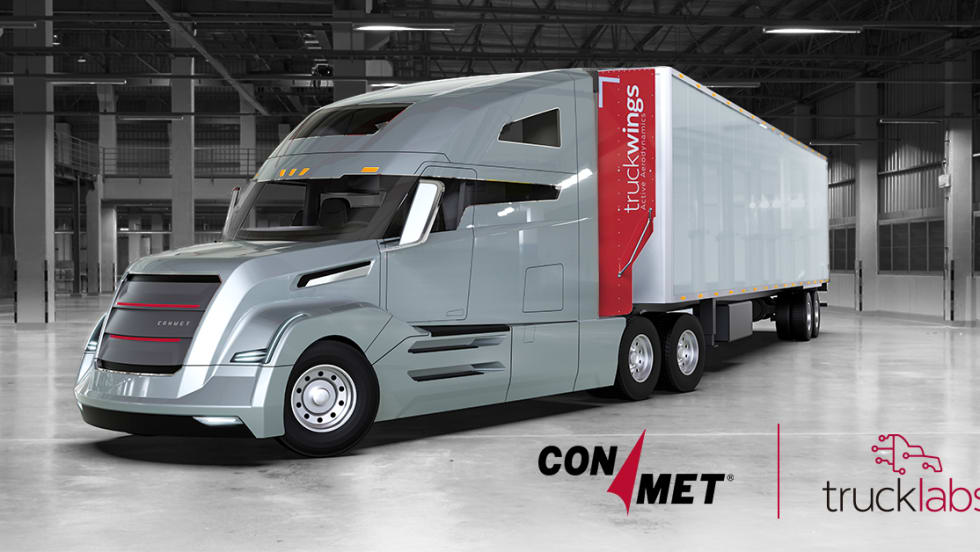
ConMet Acquires TruckLabs, the Creator of TruckWings
Commercial truck and trailer parts provider ConMet acquired TruckLabs, the company that created TruckWings, an aerodynamic device that attaches to truck cabs and deploys to close the gap between truck and trailer. TruckLabs now operates as a subsidiary of ConMet.
Read More →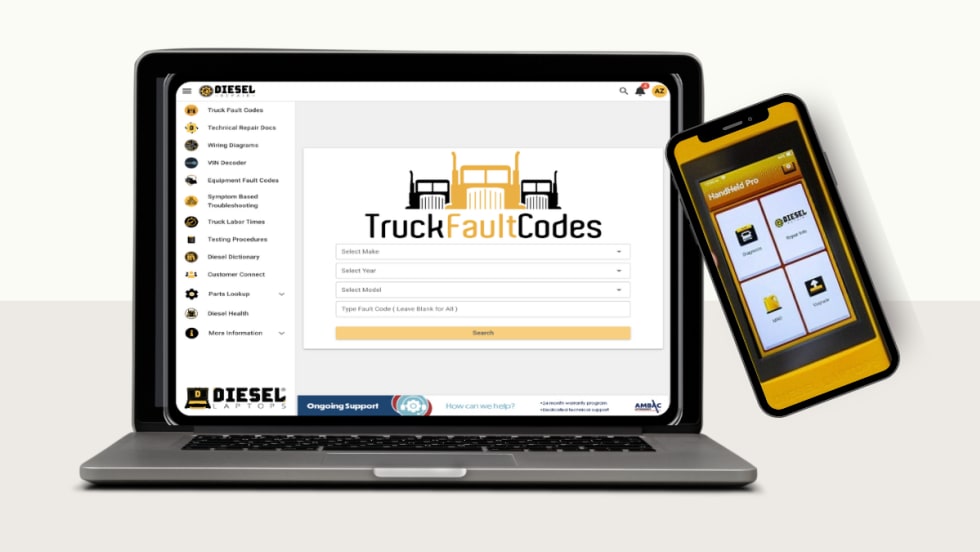
Diesel Laptops Releases Fault-Code-to-Part-Number Tool
Diesel Laptops said its Truck Fault Codes allows users to input a fault code and immediately identify and order the parts needed to complete repair work.
Read More →
Heavy Duty Parts and Labor Costs Dropped in Q2
A benchmarking report from TMC and Decisiv reveals good news for fleets as heavy-duty parts and labor costs dropped in the second quarter of 2023.
Read More →