





In-Vehicle Communication Standards for Trucks: Where Do We Go With J1939?
Another Victory for Right to Repair
What does Massachusetts' Question 1, a ballot initiative passed in November, mean for heavy-duty truck owners and independent repair shops?
January 4, 2021
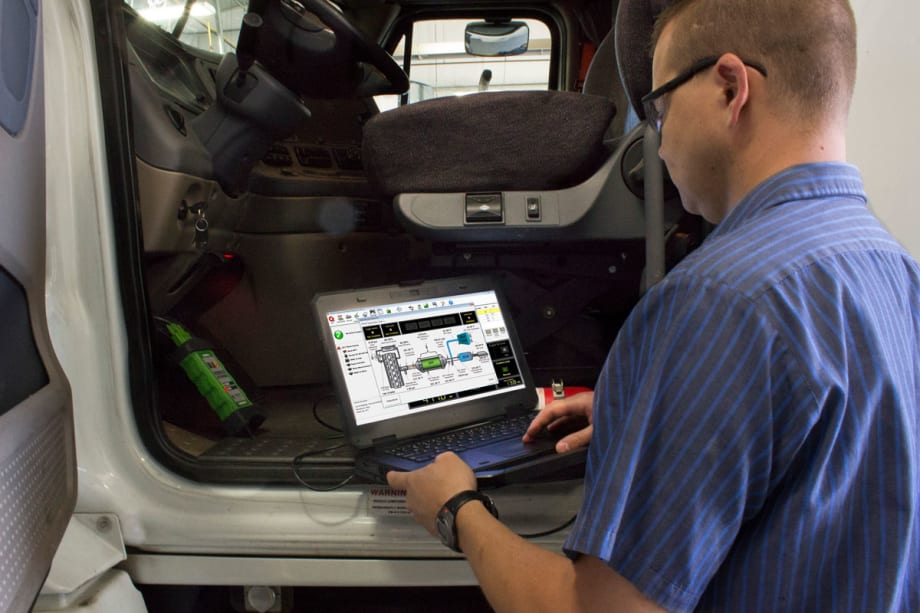
Will trucking go wireless, the way automotive repairs are going, in the way technicians connect to do diagnostics?
Photo: Noregon
3 min to read
During the November elections, the people of Massachusetts overwhelmingly passed Question 1, a ballot initiative that requires truck and car manufacturers to allow fleets, vehicle owners and independent service providers access to telematics data. The Commercial Vehicle Solutions Network is calling this “a huge victory for the independent aftermarket,” but adds that the fight is not over.
Specifically, Question 1 stated that “vehicle manufacturers must make available all mechanical information needed to diagnose and repair [vehicles] as well as perform routine maintenance, over a secure open access platform that independent repair shops can access when authorized by the [vehicle] owner.”
To understand the significance of this vote, we need to go back to 2013, when Massachusetts first passed Right to Repair legislation. Following that, vehicle manufacturers agreed — via a Memorandum of Understanding — to release codes that were transmitted through the vehicle’s diagnostic port so that independent service providers and fleets themselves would be able to effectively repair trucks because they would have access to the diagnostic trouble codes, explained Marc Karon, CVSN’s Right to Repair chairman and president of Total Truck Parts, a Kentucky-based aftermarket truck parts distributor.
“Now we get to 2020, and most automotive manufacturers are doing away with diagnostic ports,” Karon says. “They are just having an internet connection with the vehicle. In essence that means the service shop [or fleet] would be unable to hook to anything and would not have access to telematics data.”
Question 1 requires truck and car manufacturers to create access for owners, fleet and service shops. “If we did not win this question [essentially a referendum], we would be unable to repair vehicles,” Karon explains. He adds that truck manufacturers have not yet eliminated the diagnostic port, “but we see it coming in the next couple of years.” CVSN wanted to prevent a situation where the only way for a fleet to get a truck repaired would be to take it to the OE dealer.
While the decision only applies to Massachusetts, Karon suspects that what happened in Massachusetts in 2013 and the subsequent MOU is likely to be repeated.
A bill still needs to be written that spells out exactly what manufacturers do and do not have to do, how to seek remedy if someone is not providing access, and what the penalties are for not abiding by the law.
“What I see coming is OEMs using their lobbying capabilities to try to negotiate the best solutions for them, and we will do the same,” Karon says. He hopes the two sides will be able to negotiate a national agreement.
He believes that there are issues raised by the OEMs that are valid surrounding what information is going to be made available and what information is not. What Karon and CVSN want is the information that allows them to repair vehicles.
CVSN was not the only group working for this bill, and Karon thanks Auto Care Association executives Bill Hanvey and Aaron Lowe for their “fantastic job leading the effort for us.”
When looking to the future, Karon says, “The fight will go on. Truck manufacturers will always try to create a competitive environment that is favorable to them. And there will always be CVSN out there to fight that. This was just one battle in a series of battles, and it was a great victory. It was a watershed situation where if we did not win, we essentially were gone.”
Subscribe to Our Newsletter
More Aftermarket

What Three Fleets Are Doing Differently When Buying Truck Parts in 2026
With freight improving but costs still climbing, fleet maintenance executives explain how they're balancing price, quality, and supplier relationships.
Read More →
ConMet Expands Aftermarket Brake Drum Lineup With TruCast
A new heavy-duty truck brake drum option in the aftermarket gives customers more flexibility within the ConMet product family.
Read More →
Phillips Opens High-Tech Distribution Center for Faster Parts Delivery
Phillips Industries’ new Cincinnati-area distribution center is now shipping aftermarket trucking parts nationwide, aiming to speed up delivery times for customers.
Read More →
Volvo to Sponsor America’s Road Team for 2025
Volvo Trucks announced that it is extending its exclusive sponsorship of America’s Road Team for 2025.
Read More →
Webb to Start Taking Orders for UltraSet Pre-Adjusted Wheel Hubs
Webb, which recently acquired the Stemco Trifecta pre-adjusted hub program, will soon start taking orders for its replacement pre-assembled hub, the UltraSet.
Read More →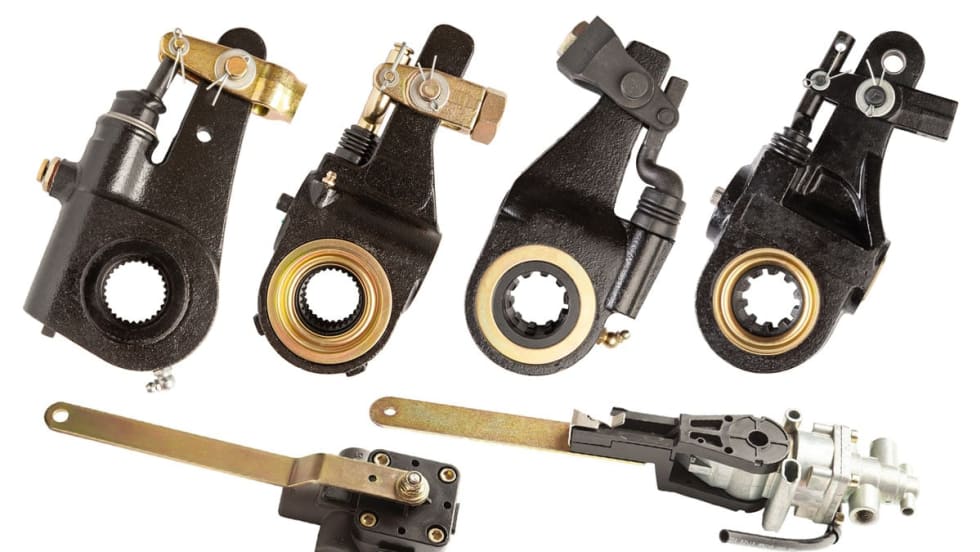
All-Makes Automatic Brake Adjusters, Ride Height Control Valves from Midland
SAF-Holland has added automatic brake adjusters and ride height control valves to its Midland All-Makes Program.
Read More →
ZF Aftermarket Expands [pro]Academy Training
ZF Aftermarket said it is expanding its ZF [pro]Academy training and will be adding 40 new modules this year.
Read More →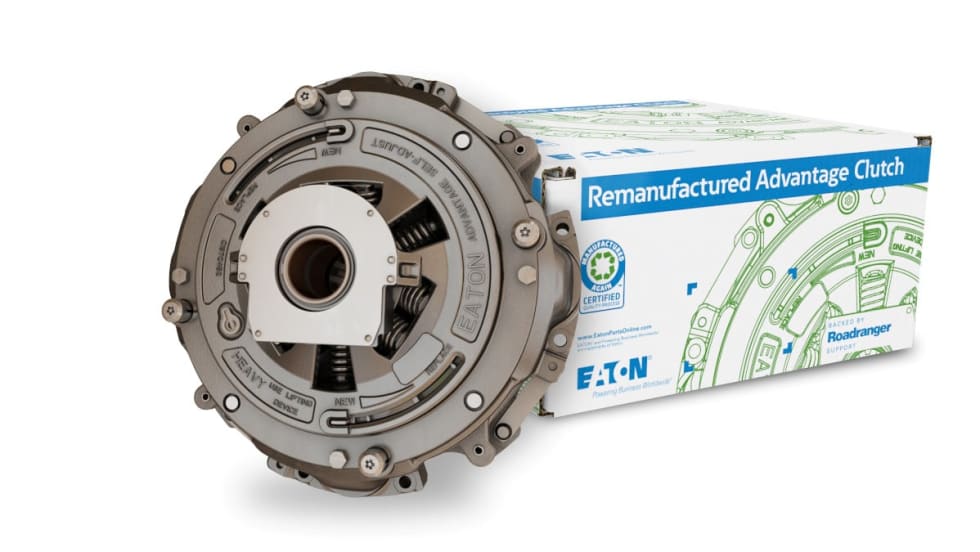
Eaton Adds Remanufactured Advantage Line of Clutches
Eaton has added its Advantage clutches to its remanufactured product line. The clutches feature a unique strap drive intermediate plate designed to allow customers to choose the latest OE specification
Read More →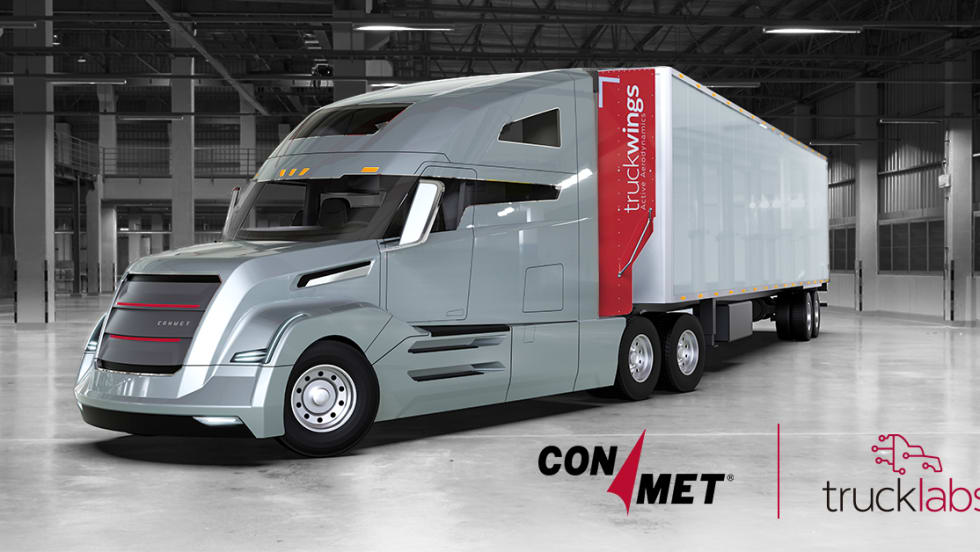
ConMet Acquires TruckLabs, the Creator of TruckWings
Commercial truck and trailer parts provider ConMet acquired TruckLabs, the company that created TruckWings, an aerodynamic device that attaches to truck cabs and deploys to close the gap between truck and trailer. TruckLabs now operates as a subsidiary of ConMet.
Read More →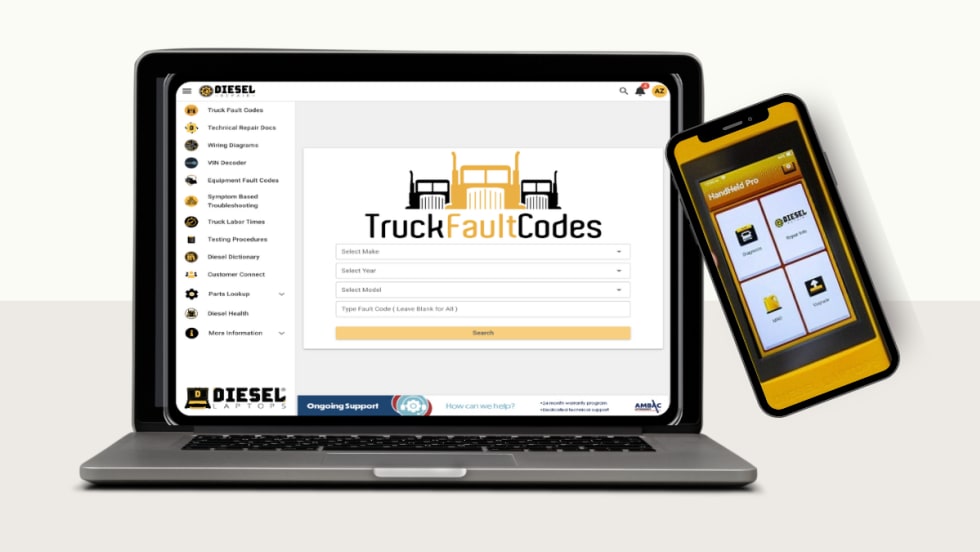
Diesel Laptops Releases Fault-Code-to-Part-Number Tool
Diesel Laptops said its Truck Fault Codes allows users to input a fault code and immediately identify and order the parts needed to complete repair work.
Read More →