




Analyst: The State of the Heavy-Duty Aftermarket
We've just been through a brutal couple of years; 2008 and 2009 weren't kind to trucking or its suppliers. Trucking activity was down an estimated 15 percent during that period, and that took a lot of industry-related activity down with it. Fewer trucks ran fewer miles, so they required fewer repairs. The aging schedule of existing equipment changed too, and that will have some downstream implications. Where does that leave heavy-duty aftermarket parts and service suppliers


We've just been through a brutal couple of years; 2008 and 2009 weren't kind to trucking or its suppliers. Trucking activity was down an estimated 15 percent during that period, and that took a lot of industry-related activity down with it. Fewer trucks ran fewer miles, so they required fewer repairs. The aging schedule of existing equipment changed too, and that will have some downstream implications.
Where does that leave heavy-duty aftermarket parts and service suppliers?
John Blodgett, a trucking industry analyst specializing in on-highway vehicles and related components with Chicago-based McKay and Co., says aftermarket sales were down 8-9 percent based on combinations of the above factors.
"We saw things we had never seen before or had not seen in a long time. The quantity of parts trucks was at levels we hadn't seen in a while. We saw a lot of un-used or under-utilized assets. Used truck prices fell to extremely low levels. We saw parts cannibalization, that is, fleets pulling parts off of parked trucks to use on working trucks," he said. "Those are all negatives for parts suppliers."
Speaking at The Technology and Maintenance Council's fall meeting in Raleigh, N.C., earlier this month, Blodgett noted that 2010 is pointing in a positive direction, but he cautioned that we'll see more dips between now and 2014.
"Our aftermarket index -- that's 12 components manufacturers who provide us with their monthly sales numbers -- saw several positive months this year. Overall they were up 18-19 percent YTD compared to last year," he said. "But a number of factors are going to slow the aftermarket recovery over the next four years."
Those factors include:
* Fewer in-service vehicles, and those tend to be newer vehicles requiring fewer repairs.
* Component durability has continued to improve, so they'll last longer.
* Generally, the fleet is getting older, but trucks have fewer miles on them. They may remain in service a year or two longer than normal.
* Better asset management will mean fewer trailers in service, but they'll be used more efficiently. Average annual trailer miles will go up.
Looking forward, Blodgett sees 2010 being up 8 or 9 percent, and slightly better than that for 2011, but he warns of a pending drop off between 2012 and 2014.
"Fleets have not added a lot of trucks since 2007, so when those trucks start coming up for their first major service activity, there just won't be as many of them as we've seen in previous years and trade cycles," he cautions. "This isn't permanent, though. If we return to normal beyond that, it won't take too many customers asking for a part that had been dropped from inventory to make distributors see that it's time to start ramping up again."
More Products

More Trailer Data Through the Same Seven-Way [Video]
Can trucking’s standard seven-way connector handle more cameras and trailer data? Grote’s Adam Slade shows HDT how the company is using new technology with its 4See trailer system, not only to add a new backup camera but also to expand other capabilities — without adding another connection.
Read More →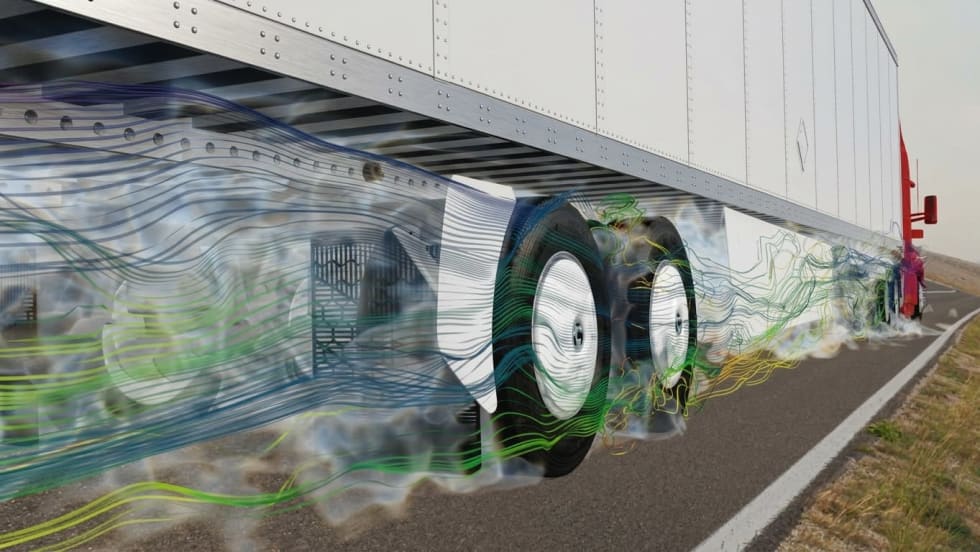
FlowBelow Redesigns Trailer AeroSlider to Cut Fuel Use
The lighter trailer aerodynamic system installs in less than 45 minutes, according to the company, with potential payback in under a year depending on fuel prices and trailer mileage.
Read More →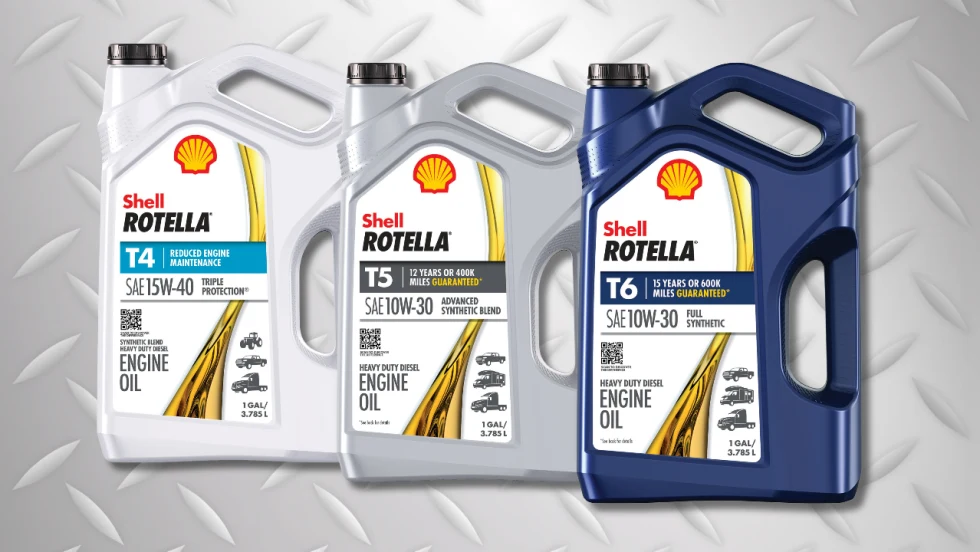
Shell Prepares Rotella Oils for 2027
New CL-4 and FB-4 formulations will begin arriving in early 2027, with improved protection against oil breakdown, wear and deposits, according to Shell.
Read More →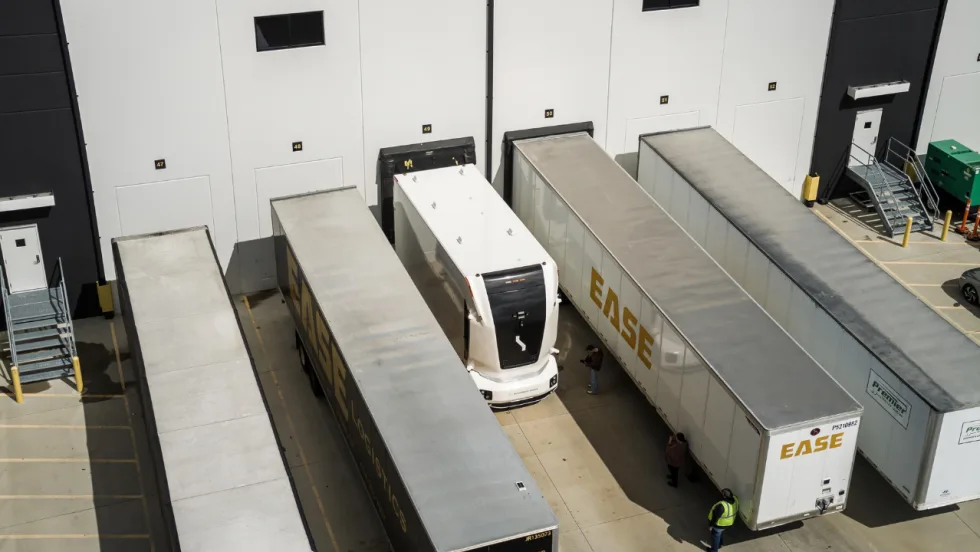
Einride Driverless Electric Trucks Begin Daily Freight Operations in Ohio
Two cabless electric trucks are hauling freight between EASE Logistics facilities in Marysville, Ohio, as part of a multi-state truck automation project.
Read More →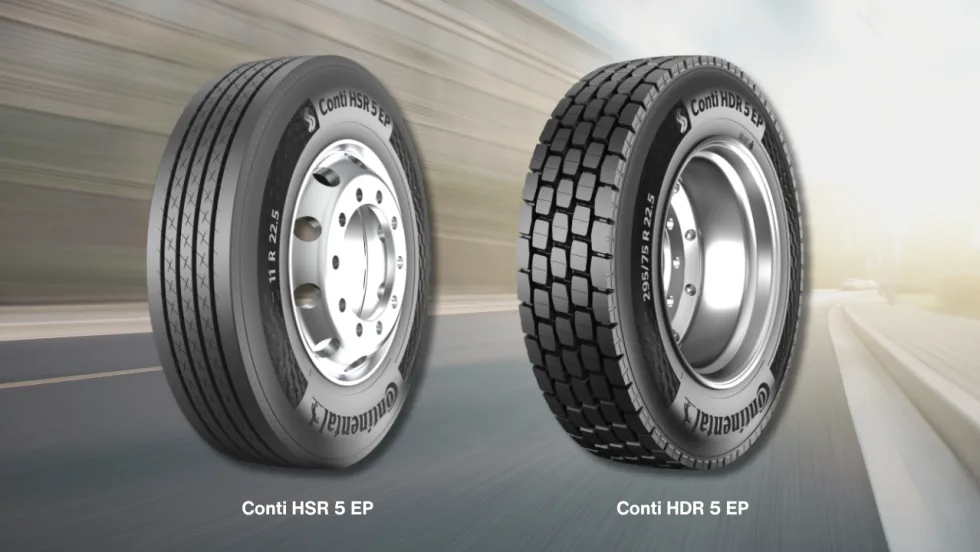
Continental Introduces New Regional Truck Tires
Continental says its new Generation 5 steer and drive tires for regional operations offer longer tread life, with estimated mileage gains of 22% and 19%, respectively.
Read More →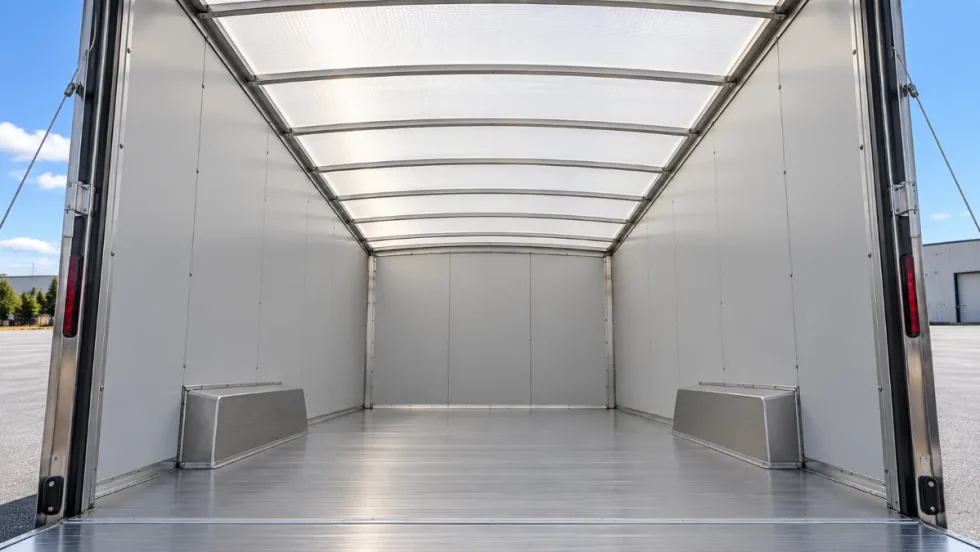
Tekmodo Introduces CargoBright Brand for Translucent Trailer Roofs
CargoBright is designed to diffuse daylight across the cargo area while performing as a working vehicle roof.
Read More →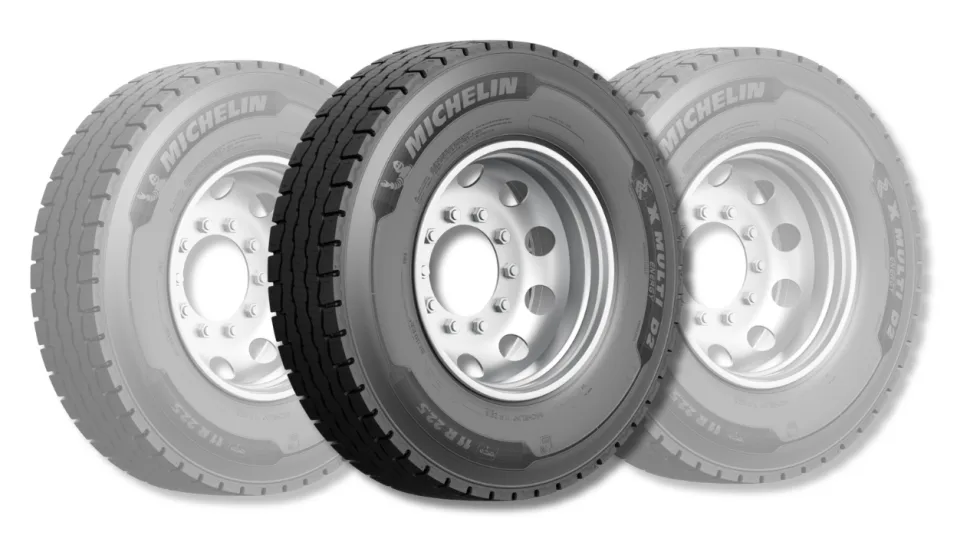
Michelin Tire Improves Efficiency and Durability for Regional Fleets
The Michelin X Multi Energy D2 is a regional haul drive tire engineered to help fleets improve fuel efficiency, durability and traction in demanding stop-and-go operations.
Read More →
What Geotab's New AI Connector Means for Fleets
Fleets can now ask their usual AI assistants questions about maintenance, safety, fuel use, and vehicle performance, using their live Geotab data, and take action on the answers without leaving their preferred AI tool.
Read More →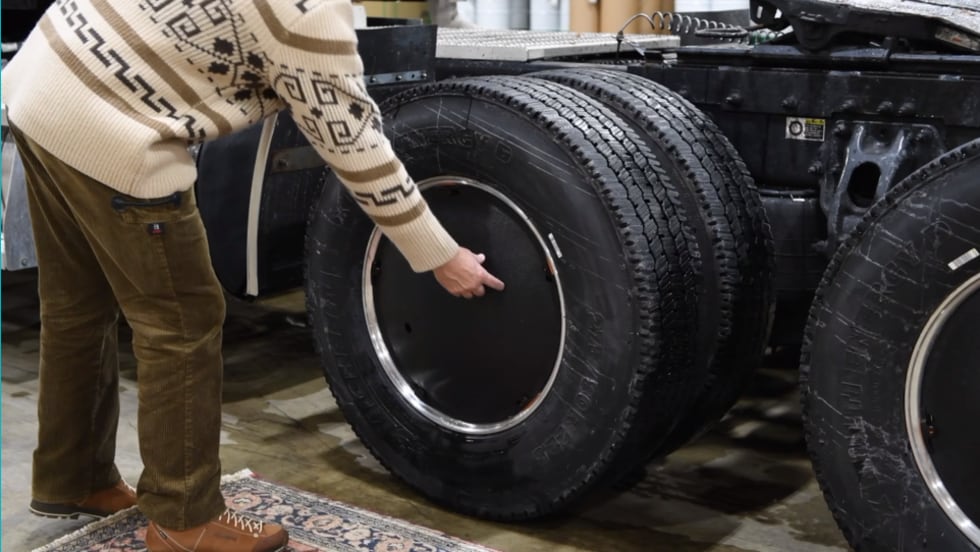
Deflecktor: Hubbub Aerodynamic Wheel Cover Cost-Effective Even for Trailers
Aerodynamic wheel covers can deliver small but meaningful fuel-economy gains for fleets, and Deflecktor says its latest design aims to make the technology easier and more affordable to deploy.
Read More →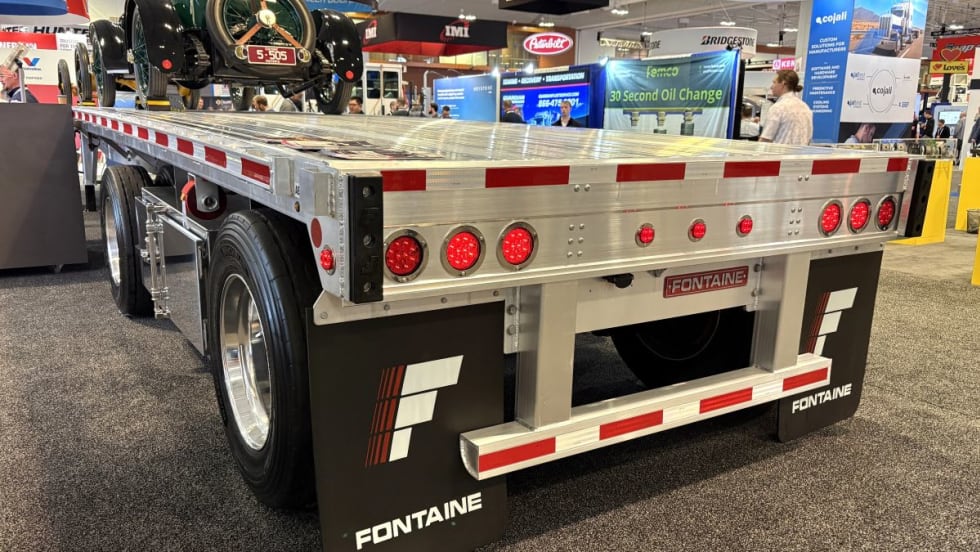
Fontaine Expands Flatbed Lineup with New Fleet-Focused Models, Eyes 2027 Launch
Fontaine is broadening its flatbed lineup with new models aimed at fleets, including a lightweight aluminum trailer expected in 2027 that emphasizes durability, repairability, and lower cost.
Read More →