




An $8 Billion Fiasco
It shouldn't have taken a cash shortfall for the Highway Fund to be repaid.


So the Highway Trust Fund got its $8.017 billion worth of fuel tax monies back from the U.S. Treasury. Highway construction projects can now go on, and workers can be paid - which wouldn't have been the case had the funds not been forthcoming.
Until Congress and the president acted in mid-September, the situation was tense. It need not have been. Three years ago, the Department of Transportation warned that highway funding was headed for trouble because revenues were not keeping up with construction costs.
That should have surprised no one in Congress. While it's been 15 years since a federal fuel tax increase, spending of fuel tax revenue has been steadily and rapidly accelerating.
But nothing was done until the highway coffers were nearly empty.
Why, back in 1998, did Congress take the money from the Highway Fund in the first place? Simple: Treasury needed money and the highways had some extra. So the politicians - acting legally - moved $8.017 billion from highways to the general fund.
Was it a loan? That's not clear in anything we've heard. If it was a loan, it apparently was interest-free, with no repayment schedule. How fair is that?
Whatever it was, it took a fight between Congress and the White House to get the money back from Treasury. Some called it a highway bailout. It wasn't; it was a payback of money due the fund, plain and simple.
Before things were resolved, the possibilities were troubling. The administration and some Congressmen wanted to take the money from the Mass Transit Account, whose funding also comes from Highway Trust Fund fuel taxes.
That would've set up this convoluted scenario: The Highway Fund would owe the Transit Account $8.017 billion, but couldn't pay it back because Treasury wouldn't pay back the $8.017 billion it owed the Highway Fund.
Short version: We rob Peter to pay Paul, then rob John to pay Peter. Who's next?
Sen. James Inhofe (R-Okla.) said taking the money from the Highway Fund to begin with was "morally wrong." He added: "The uncertainty over the federal government's ability to fulfill promises made in law substantially disrupts states' highway programs."
We think he's referring to "trust," as in "trust fund," which is defined as a legal entity that holds assets for the benefit of a specific person, group, or organization.
In other words, a trust is supposed to be burglar- proof. Obviously, ours isn't. Not when the burglars have political license.

More Fleet Management
Freight Broker Bonds Just Got Harder to Get. Here's What That Means for Your Fleet.
When it gets harder for a freight broker to prove they are financially sound, the ones who cannot clear that bar get pushed out of the market. And those are exactly the brokers who used to leave motor carriers holding the bag.
Read More →
Long-Awaited Canadian Border Bridge to Open in Detroit
For trucking, the bridge opening should offer immediate improvements in efficiency and reliability, with new customs facilities, expanded inspection capacity, and direct freeway-to-freeway connections.
Read More →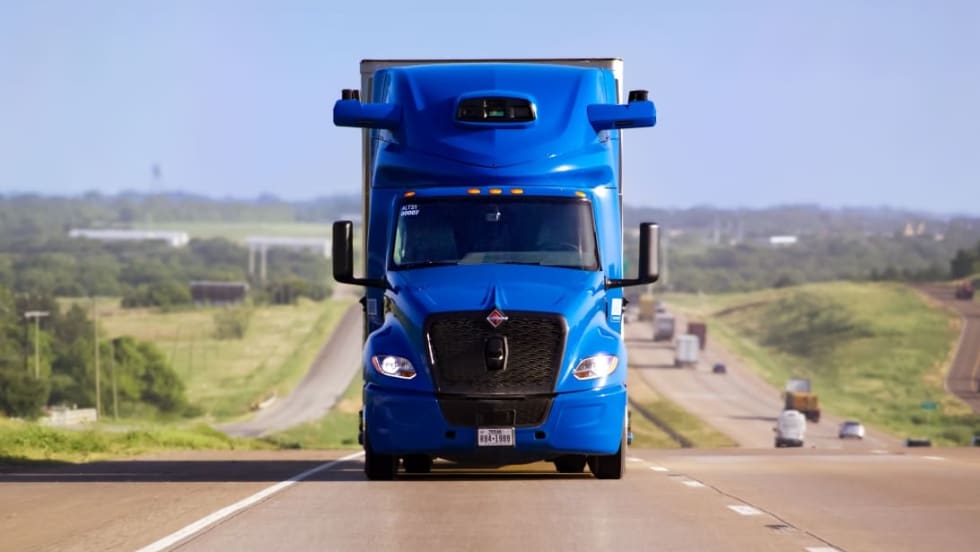
Aurora Rolls Out Next Generation of Driverless Trucks for Commercial Freight
Aurora's latest autonomous trucks it's rolling out with International feature lower-cost hardware designed for a million miles as the company expands commercial driverless freight operations across the U.S. Sun Belt.
Read More →
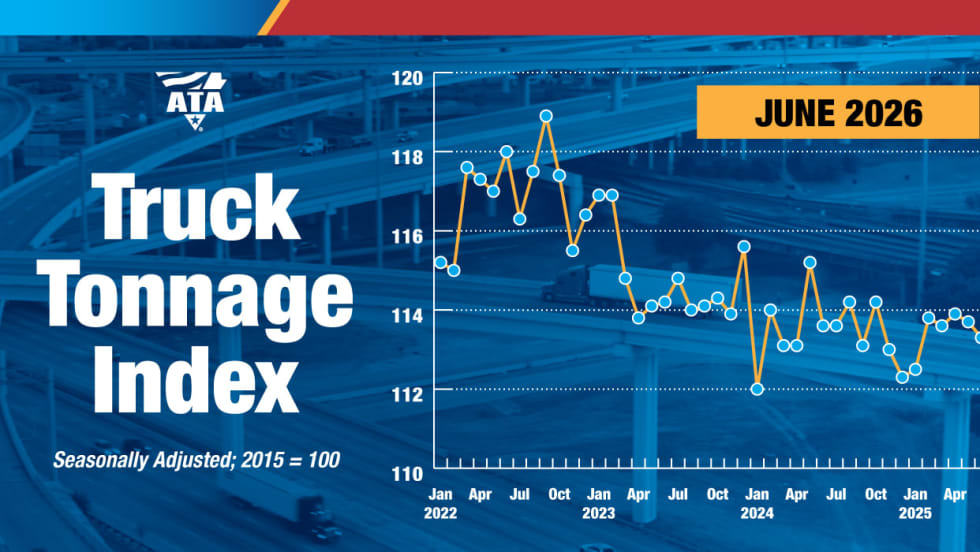
Freight Tonnage Down, Rates up, as Lower Capacity Powers Trucking Recovery
The recovery from the freight recession continues to be driven by reduction in capacity rather than by increased demand.
Read More →
Think Your Trucking Fleet Isn't Using Much AI? Think Again
Shadow AI — the use of unauthorized artificial intelligence tools at work — is becoming increasingly common, putting sensitive company data at risk. Learn how trucking fleets can protect sensitive data while embracing AI.
Read More →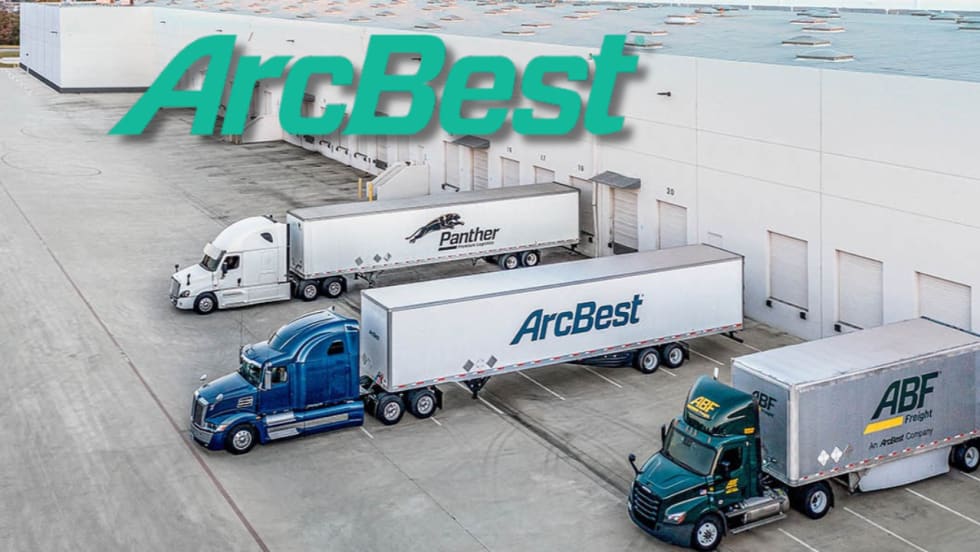
ArcBest Consolidates Brands, Cuts Workforce
The company will bring three business units under the ArcBest brand, eliminate about 2% of positions, and expects the changes to generate $40 million in annual savings.
Read More →
Trucking Fleets Faced Record Operating Costs During Third Year of Freight Recession
ATRI's annual operational cost report shows carriers trimmed fleets, delayed equipment purchases, and ran older trucks as expenses continued to outpace freight rates.
Read More →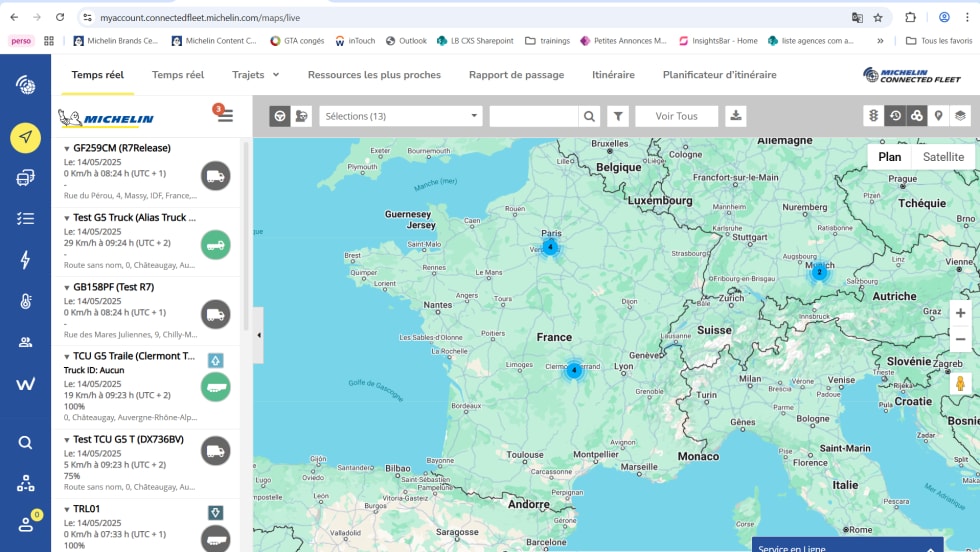
Michelin Adds AI Assistant to MyConnectedFleet Platform
Michelin’s new generative AI tool delivers instant fleet insights, helping managers analyze fuel use, tire maintenance, vehicle status, and operational performance without manually creating reports.
Read More →
LytxOne Platform Now Features AI, Compliance, and Asset Tracking Tools
New enhancements add AI-powered insights, asset tracking, compliance automation, and configurable privacy controls to Lytx's all-in-one fleet management platform.
Read More →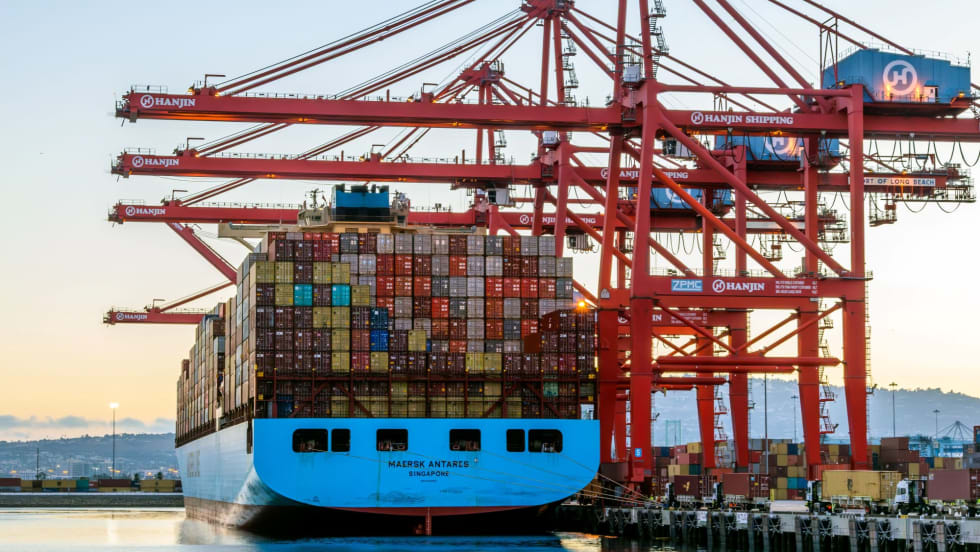
July Imports Poised to Set Container Record
The National Retail Federation projects July container imports will surpass the pandemic-era record as shippers frontload freight ahead of expected August tariff increases.
Read More →