




5 Ways to Improve Your CSA Score
Perspective on improving your fleet's safety program and CSA scores from a truck driver and trucking company owner turned insurance consultant.
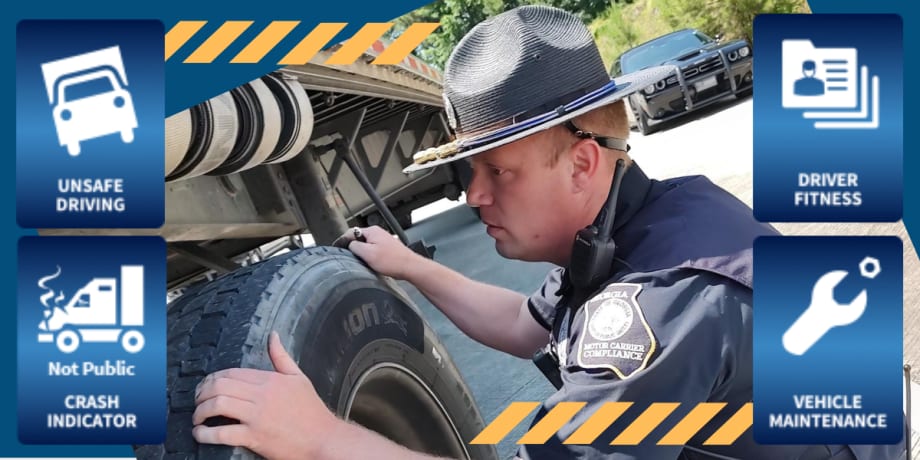
Bad CSA scores can hurt you.
HDT graphic/Wayne Parham photo
If you’re looking to better your trucking business, improving your Compliance, Safety, Accountability (CSA) score has several benefits.
Issued by the safety compliance and enforcement program of the Federal Motor Carrier Safety Administration, a good CSA score can produce lower insurance premiums, help to attract and retain business, and potentially reduce the frequency of Department of Transportation audits.
With more than 35 years of industry experience as a company driver and a trucking business owner, I’ve been part of several inspections with no penalties received. Now I help trucking customers improve business operations and safety issues, boosting their profitability and CSA scores. Here’s what I’ve learned.
How CSA Scores Affect Your Trucking Business
Through on-site investigations — which can happen because an officer has spotted something off about driver behavior, the state of the commercial vehicle, or for the sole purpose of conducting an investigation — the enforcement officer or DOT auditor may issue a Safety Fitness Determination rating. This is often referred to as a safety rating.
The four SFD ratings are:
Satisfactory: The FMCSA determines the trucking company meets basic safety fitness standards.
Conditional: This rating is essentially a warning. This means the DOT auditor does not think the company’s safety program is sufficient, but it hasn’t yet violated a safety fitness standard.
Unsatisfactory: The trucking company is failing to comply with CSA safety standards and violations have occurred and been documented.
Unrated: The FMCSA hasn’t issued a SFD for the carrier. Although major trucking companies and brokers who book their freight are pressuring the FMCSA to attach a safety rating to unrated carriers, this is currently the rating for over 90% of the freight market.
There are a few primary ways that a conditional or unsatisfactory rating can negatively impact your business.
Carriers with poor CSA scores can face increased scrutiny from regulatory authorities, resulting in more frequent roadside inspections, compliance reviews and audits.
They also can face operational disruptions, higher insurance costs, difficulty securing and maintaining contracts, driver recruitment and retention challenges, and more.
If your trucking business has a poor safety rating or you’re looking to maintain your positive rating, there are several things you can do to help get ahead of the curve.
1. Conduct Internal Safety Audits
It’s best to identify safety issues before the FMSCA does it for you. Consider the value of an internal audit, in which you vet drivers’ hours of service compliance and required documentation such as commercial driver’s licenses and medical certificates and you perform vehicle inspections. This process can help you identify weaknesses in your safety program and can help give drivers the confidence they need to ace inspections.
2. Implement Regular Training and Education
It’s your job to ensure drivers have the information they need to operate safely. I usually advise trucking customers to have mandatory safety training at least monthly, focusing on timely topics and using real situations as examples.
3. Communicate Clearly and Frequently on Safety
Safety isn’t a “set it and forget it” issue. Posted safety reminders, regular emails and/or newsletters are a few ways to keep safety top of mind. Consider asking your drivers for input as to how they prefer to receive safety information and for ways the company can better prioritize safety.
4. Recognize and Incentivize Safe Drivers
Some trucking companies offer drivers safety bonuses to incentivize good behavior. Examples of behaviors that earn bonuses include clean roadside inspections, no accidents, or no tickets or violations.
More in-depth bonus programs can include points that add up for everything from not missing workdays, to on time deliveries, or following policies. Also consider honoring safe drivers at safety meetings or including their names in your company newsletter.
5. Schedule Regular Reviews of Your Safety Program
A successful safety program should be written, but the guide should be seen as a working document that is regularly updated to address the actual exposures faced by drivers and the processes for them to deal with those exposures.
Introduce the guide to drivers during orientation and reinforce its principles through ongoing training, testing and two-way communication.
Although there are many things you can do to improve your company’s CSA scores, adopting these best practices can help to ensure your drivers are effectively prepared to ace future inspections.

Cliff Johnson has more than 35 years of experience in the trucking industry as a driver and owner and is now the trucking business segment consultant at Acuity Insurance, where he helps Acuity’s trucking customers improve business operations and safety issues, boosting their profitability and CSA scores. This article was authored and edited according to Heavy Duty Trucking’s editorial standards and style to provide useful information to our readers. Opinions expressed may not reflect those of HDT.
More Safety & Compliance
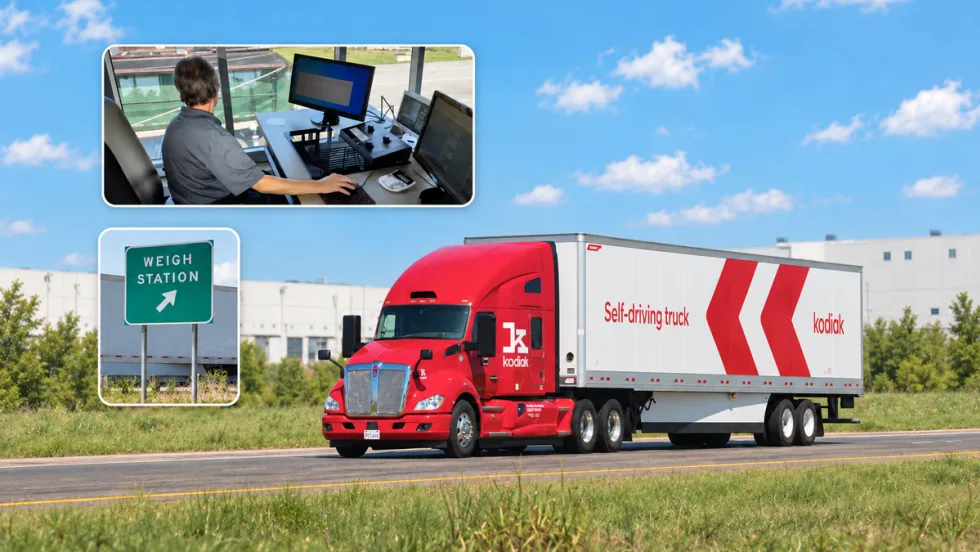
PrePass, Kodiak Connect Driverless Trucks to Roadside Enforcement
The system will allow enforcement agencies to verify Enhanced Inspection information and decide whether Kodiak’s autonomous trucks can bypass roadside screening sites.
Read More →
From One Generation to the Next: How Mentorship Builds Safer Truck Drivers
After three decades in trucking, Harold Perry shares what he's learned about driver safety, mentorship, and helping the next generation build confidence behind the wheel.
Read More →
FMCSA Pauses Biennial-Update Enforcement Amid Motus Transition
Carriers whose updates were due on or after June 1 have more time, while FMCSA works to stabilize its new registration system and warns of phishing sites impersonating its new carrier registration system, Motus.
Read More →
ZF Expands Commercial Vehicle Push in North America
ZF is expanding its North American commercial-vehicle presence with new transmission applications, electrification, trailer technology and autonomous-driving systems.
Read More →
Truck Drivers Need More Than Another Alert
Fleets have more visibility into truck health, safety events, and driver activity than ever. The next challenge is turning all that information into useful guidance for the person who has to decide what to do next.
Read More →
Tesla Wants a Self-Driving Semi. Are Cameras Enough?
Could Tesla’s camera-only autonomous driving technology work on an 80,000-pound Semi? In this commentary, HDT's Deborah Lockridge takes a look at Tesla, Cybercab, and how autonomous trucks see the road.
Read More →
What DOT’s Automated Vehicle Strategy Means for Trucking
The U.S. Department of Transportation issued a new automated-vehicle strategy that outlines plans for driverless-truck regulations, cross-state freight corridors, and federal safety standards.
Read More →
NYC Expands Speed, Pedestrian Safety Tech Across Fleet
New York City is expanding intelligent speed assistance and pedestrian-alert systems across its municipal fleet, moving the technologies from pilot programs into vehicle procurement and retrofit requirements.
Read More →
FMCSA Removes 110 Truck Driver Training Schools from Certified ELDT List
Federal regulators also are targeting more than 160 additional training providers and launching a nationwide audit of third-party CDL skills testers as part of a broader crackdown on trucking fraud.
Read More →
Beyond DOT Compliance: What Makes a Trucking Fleet Truly Safe?
A trucking fleet can follow every rule and still make unsafe decisions. The real test comes when safety conflicts with freight, productivity, or cost.
Read More →