




5 Key Features of a Telematics Solution
Telematics brings an unprecedented amount of transparency to today’s fleets. Here are five must-have features that should be on every telematics shopping list.


Photo: Getty/Sturti
While it’s not a required piece of technology, a telematics solution enables truck fleets to quickly realize numerous bottom-line benefits, including increased productivity, improved customer satisfaction, and reduced costs. And now that most fleets must have mandatory electronic logging devices, those ELDs can be part of a larger telematics solution.
Whether you’re still considering dipping your toe into the telematics pool or are looking to change providers, telematics technology is becoming an essential tool in the fleet manager’s toolbox. Not having this technology or, more importantly, not having the right telematics features, means you may be behind the curve and won’t be able to compete in the long run.
When evaluating a telematics solution, there are five must-have capabilities that you should have on your list regardless of the provider.
1. Vehicle Tracking
Vehicle tracking is at the foundation of telematics, and while vehicle tracking has become very common and is in near-real time, it shouldn’t be taken for granted or short changed.
Awareness of where your drivers, vehicles, and equipment are positioned at any given moment allows you to respond more rapidly to emergencies and make sure you get the right people, vehicles, and tools to the right place at the right time. In conjunction with your ELD solution, it also allows you to better monitor drivers’ hours of service, and help them find a safe place to park if they’ve reached their maximum hours or are running up against a mandatory rest period.
Route optimization is a natural outgrowth of vehicle tracking and takes into account traffic patterns, accidents, road work, weather, and other factors that impact routes. As a result, you can improve response time, reduce mileage, fit more jobs into a day, protect your drivers from hazards, keep customers happy, and keep your drivers in compliance. Working in sync with vehicle tracking and dispatch, route optimization helps fleets run efficiently by enabling you to get drivers safely to the right place in the least amount of time, adapting to last-minute changes as necessary. Real-time data about current conditions gives you the ability to make quick, informed decisions that maintains efficiency and meets customer expectations.
Route optimization helps to improve communication with customers, giving them real-time, transparent estimated time of arrival information, managing expectations in cases of delays or other unforeseen circumstances.
2. Automated Scheduling and Dispatch
Today’s telematics solutions relieve fleet managers of the headache and potential mishaps of scheduling with pencil and paper.
With automated dispatch, drivers know from the start of their shifts where they are going and when, with jobs arranged in the most cost-effective manner and accompanied by details like customer requests or unique delivery requirements. This feature can streamline communication, increase productivity, and help maintain customer satisfaction by improving arrival times and enabling you to connect the right people and equipment to the right job.
It also will help with optimizing staffing of back office personnel, eliminating or reallocating dispatch staff who were involved in the laborious, inefficient task of paper and pencil route creation.
3. Custom Alerts
Custom alerts are among the best of the must-have fleet telematics features. While your ELD solution will give you updates about how many hours a driver has been behind the wheel, it won’t give many (if any) details about a driver’s behavior or the operational health and safety of the vehicle. Being alerted in real time about everything from driving behavior to vehicle diagnostics can open opportunities for cutting risk and improving efficiency, which goes right to the bottom line.
For example, alerts about fuel being wasted through driving habits (including poor routing and driver behavior), idling, or even at the pump can help fleet managers and personnel find areas for improvement in real time and either correct the problem through adjustments at the operational level or by coaching drivers individually.
This is just a single example of the kind of alerts — and their bottom-line benefits — that this must-have capability can bring to fleet operations.
4. Vehicle Health Monitoring
A fleet’s vehicles are the lifeblood of its operation, so keeping them up and running will always be a priority. Telematics solutions with vehicle health monitoring capability will allow you to keep tabs on your vehicles, spot emergent maintenance issues, such as faulty brakes, low tire pressure, or a failing transmission, address them immediately, and make sure that preventive maintenance, such as tune-ups or oil drains, is being scheduled and completed. Remember, downtime is unproductive time for both your vehicles and your drivers, and that means profitability is also taking a hit.
5. Driver Monitoring
One of the most difficult variables to monitor and control are drivers. Telematics gives visibility on both vehicles and the way they’re being driven. Coupled with alert capabilities, telematics can give near-real-time insights into the way vehicles are driven and hold drivers accountable for their actions.
The result is the ability to coach and correct behavior before an accident happens and reduce driver risk and the expenses related to a collision, including vehicle downtime, injuries, and potential — and often ruinous — liability payments.
While you may not need all five of these must-have features, and there are other capabilities and features available on telematics solutions — and new ones being added regularly — the above in whatever combination that are relevant to your fleet’s mission are the essential features that will help you define and improve operations and profitability.
Without them, it will likely become harder to remain competitive and relevant in the increasingly technological and connected world of fleet management.
While you shouldn’t rush into implementing an ELD solution, at the same time there is a looming hard deadline, so a wait-and-see approach is not an option. If you decide to delay, your drivers, your fleet, and your company will face serious obstacles, including not being in compliance, risking a violation, being put out of service, and even an audit by FMCSA investigators. The best course of action is to get going and keep going.
{incontentformtoken}
Compare prices for ELD and telematics solutions at Businessfleet.com, a sister Bobit Business Media publication.
More Electronic Logging Devices (ELDs)

How Fraley & Schilling Improved Logbook Compliance by Over 50%
Fraley & Schilling needed a way to close a compliance workflow gap in its ELD system without adding more work from driver training, reminders, and back-office follow-ups. It found the answer in a custom driver app.
Read More →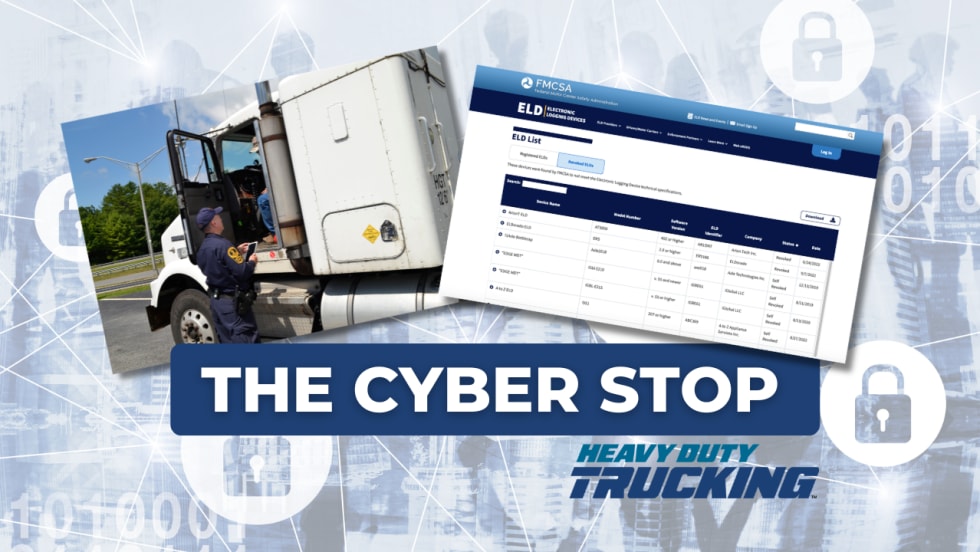
The Hidden Problem Behind FMCSA's ELD Revocations
NMFTA researchers say dozens of registered ELDs may be built on the same software platforms, allowing compliance and security concerns to persist even after individual devices are removed from the market.
Read More →
Basic Tracking vs Next Generation Fleet Technology
Fleet software is getting more sophisticated and effective than ever, tying big data models together to transform maintenance, safety, and the value of your existing tech stack. Fleet technology upgrades are undoubtedly an investment, but updated technology can offer a much higher return. Read how upgrading your fleet technology can increase the return on your investment.
Read More →
The ELD Hacking Threat: Q&A with Serjon's Urban Jonson
Electronic logging devices are easy prey for hackers looking to gain access to your fleet's data and IT systems. Urban Jonson with Serjon tells HDT what bad actors hope to achieve by hacking into ELDs and how fleets can protect themselves.
Read More →
How Trucking Fleets Can Get Control of False Driver Logs [Video]
Truck driver log falsification violations can lead to out-of-service orders, fines, bad federal safety scores, failed DOT audits, civil penalties, even nuclear verdicts. What can motor carriers do?
Read More →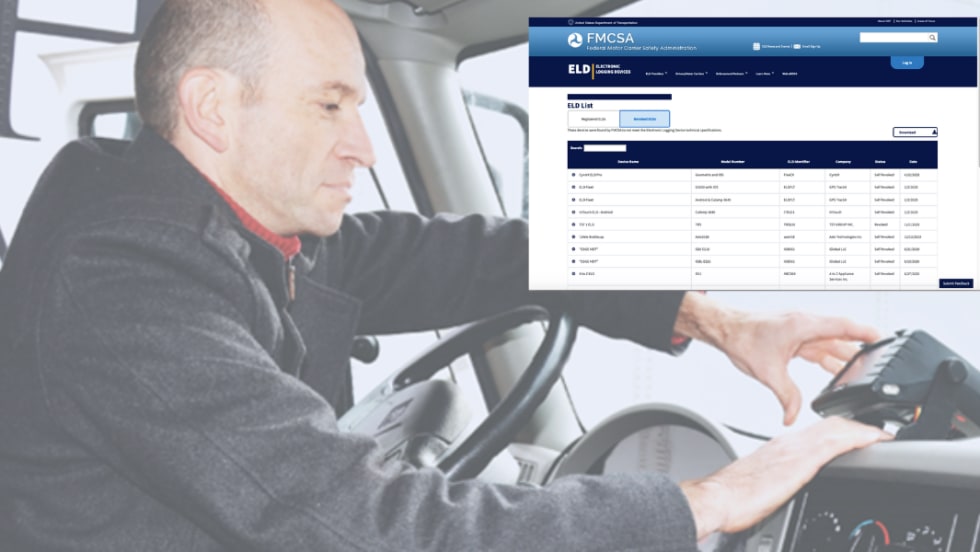
FMCSA Revokes 10 ELDs
Ten more electronic logging devices have been removed from the Federal Motor Carrier Safety Administration's list of registered ELDs fleets and drivers can use to meet the mandatory ELD regulations.
Read More →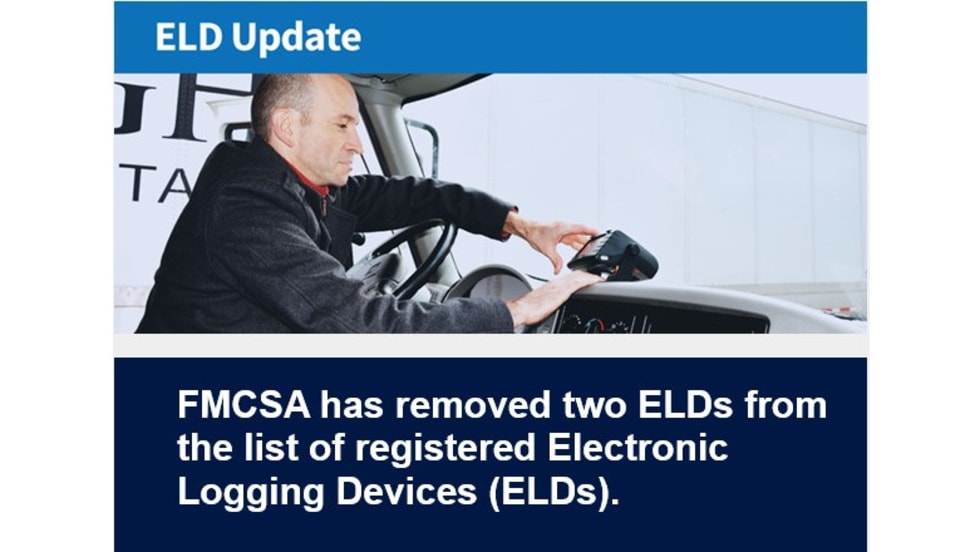
FMCSA Removes 2 ELDs from List of Registered Devices
The Federal Motor Carrier Safety Administration has removed Falcon ELD and KSK ELD from its list of registered, self-certified electronic logging devices.
Read More →
FMCSA Outlines Plans for Driver Detention Study
The Federal Motor Carrier Safety Administration plans to study driver detention, expecting approximately 80 carriers and 2,500 drivers to provide data.
Read More →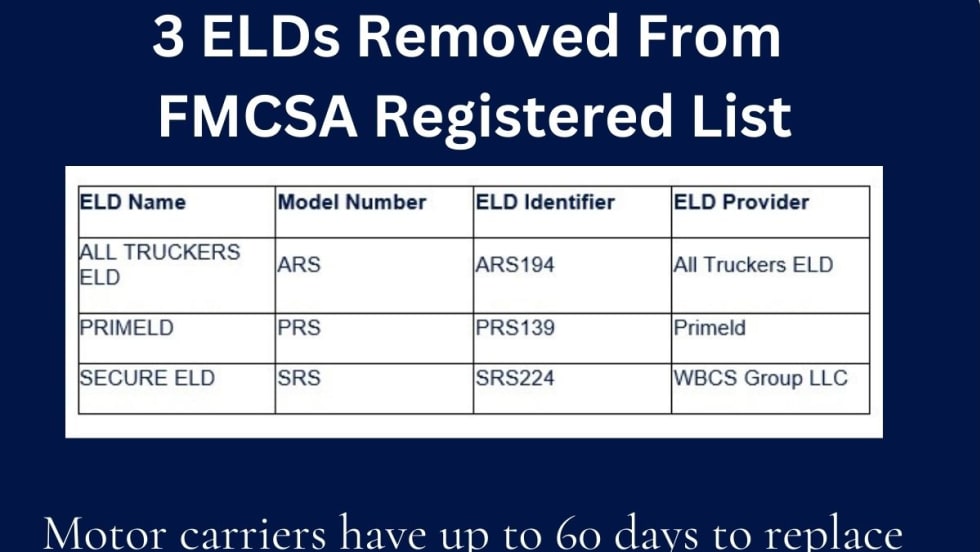
FMCSA Removes 3 ELDs from Approved List
The Federal Motor Carrier Safety Administration has placed three more electronic logging devices on the Revoked Devices list after they failed to meet the minimum requirements.
Read More →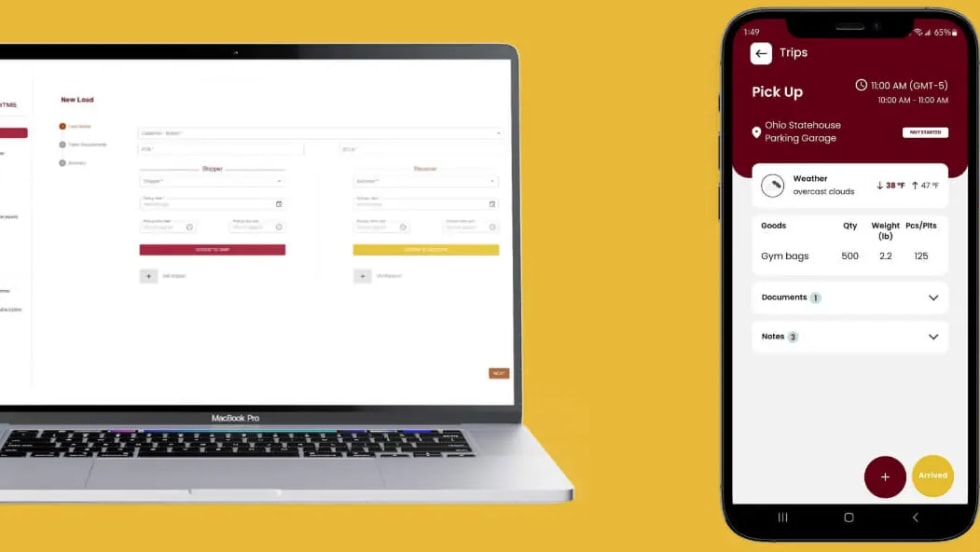
New Transportation Management System for Small Fleets
T3 Tech launches TrueTMS, a transportation management system for small trucking fleets.
Read More →