




3 Things to be Ready for in a Coercion Complaint Investigation
While following up on driver coercion complaints, DOT auditors may not be finding the coercion claimed, but they are finding other issues that are causing conditional ratings and fines.
Photo by Jim Park

The driver coercion rule that went into effect earlier this year has changed the focus for the Federal Motor Carrier Safety Administration: It has caused them to move complaints from the bottom of their list to the top. While following up on these complaints, they may not be finding the coercion claimed, but they are finding issues that are causing conditional ratings and fines.
So just because your CSA scores are good doesn't mean you can let your guard down. Fleets need to remain focused on having the processes and procedures in place to ensure they are compliant.
Generally, the hours of service tend to be the greatest focus of these coercion complaint follow-ups, just as they are in compliance and focused reviews). You need to make sure that you are paying close attention to supporting documents with respect to time and date.
Another area where fleets often get dinged -- fuel reports vs. fuel receipts. Banking laws require that the time of transaction be recorded for fuel purchases. If your report does not have the time recorded, you need to contact your supplier and make sure your reports have this information (otherwise FMCSA will certainly do it for you when they come in.) Information from your GPS systems will be used to cross reference with driver log information. If you're on e-logs it's still an issue – you may have settings that allow trucks to move without showing driving time on your devices, but the GPS shows the truck is moving.
Now is the time to start preparing for a potential CSA visit. Here are three "hot" items that you will want to make sure you are prepared to address:
1. Check your e-log settings
Set your AOBRDs (automatic onboard recording devices, the official designation for pre-ELD-rule e-logs) to the same settings as those for the new federal standard for electronic logging devices. We are seeing carriers get hit for violations when the GPS shows the truck moving, but the log generated by the AOBRD does not show it. Many AOBRDs allow for a speed and distance setting before the system starts counting drive time, but some carriers have settings as much as 20 mph or 1 mile. Simply put, ELDs will be set at 5 mph with no distance setting. You may be thinking, I am at a facility that is a mile long and didn’t want to burn driving time. Remember that if a facility is not gated, guarded, or posted, then it is not considered a yard, it is dubbed highway and you cannot use "yard time" at these facilities.
2. Pay attention to DVIRs
This is an area that historically has not garnered much attention. Previously, it was difficult to make a case and also took a lot of time and effort for every driver to fill out a driver vehicle inspection report each day of operation. This has changed in the last year when the FMCSA decided to only require a DVIR to be filled out when something was amiss.
Now that non-violation DVIRs are no longer included, it is much easier to find a greater than 10% violation. For example, if during the last 90 days you had 30 DVIRs listed with violations, the auditor only needs to find four occurrences of non-compliance in the last 90 days to make a case against a carrier.
Some items you will want to make sure you are monitoring and enforcing:
Cross reference roadside inspections (that have maintenance items listed) against the driver’s DVIR. Remember the regulation requires the driver to list anything they had discovered or "had been notified" on their DVIR (a roadside inspection report listing an issue would certainly qualify as notified). You can be sure that the auditor will have inspections when they visit.
Train your shop to notify safety whenever they see or work on something the driver should have been aware of. Also, make sure you cross reference with the driver's DVIR. The maintenance records are not used as much as the roadsides, but can certainly be used if the auditor were to choose so.
If your internal system has "breakdown" reports or anything along those lines, make sure you cross reference those with the driver's DVIR.
3. Miles without hours and editing reports
You need to have a process to ensure that these are held to a minimum and to ensure that people within your organization are not misusing or abusing the system.
Simply having a good CSA score does not mean you are off the hook. Make sure your AOBRDs and ELDs line up to ensure you remain compliant.
Adapted from the "Steal These Ideas" blog by HNI, a non-traditional insurance and business advisory firm. Used with permission.
More Safety & Compliance
Paccar Recalls 2027 Trucks Built This Summer for Possible Electrical Problem
The nearly 6,000 Kenworth and Peterbilt trucks in the recall could potentially lose engine power, among other things.
Read More →
Brake Safety Week to Focus on Drums and Rotors
Commercial vehicle inspectors will be focusing on brakes during CVSA's Brake Safety Week, August 23-29.
Read More →
Trump Administration Looks to Put More Veterans Behind the Wheel
The Freedom Haulers program pulls together existing and expanded programs at several federal agencies to recruit veterans to drive commercial heavy-duty trucks and cut the red tape for them to get a CDL, training, and employment.
Read More →
$604 Million Verdict Tests Broker Liability After Supreme Court Ruling
C.H. Robinson plans to appeal after a Texas jury found it bore the largest share of responsibility for a fatal 2021 crash, in a case that follows the Supreme Court's Montgomery decision allowing negligent hiring claims against freight brokers.
Read More →
How Fraley & Schilling Improved Logbook Compliance by Over 50%
Fraley & Schilling needed a way to close a compliance workflow gap in its ELD system without adding more work from driver training, reminders, and back-office follow-ups. It found the answer in a custom driver app.
Read More →
Farewell, CDL: Why I'm Giving Up My Commercial Driver's License
After more than 20 years as a CDL holder, HDT Executive Editor Jack Roberts is letting his commercial license expire. Not because he wants to — but because trucking's nuclear verdict crisis has made the risks of public-road test drives too great for editors, manufacturers, and everyone involved.
Read More →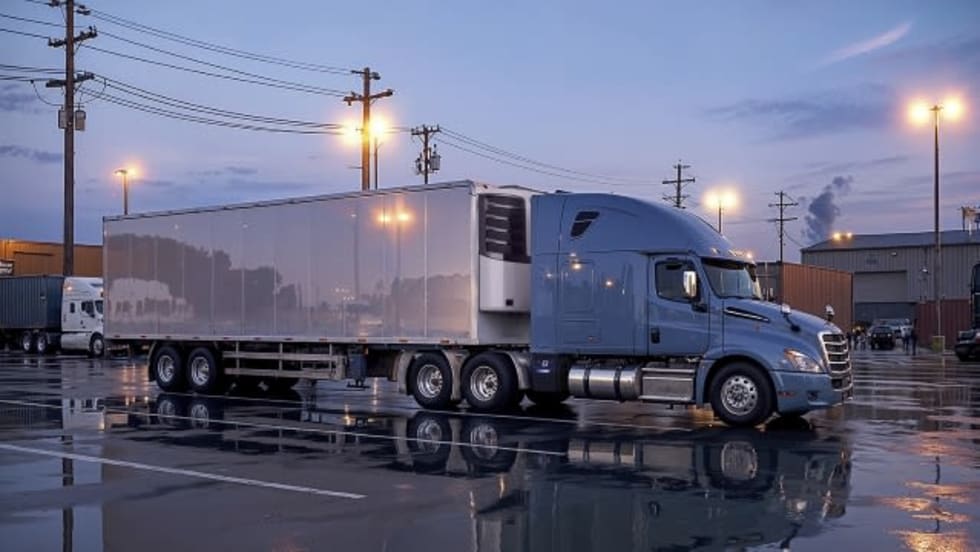
Enhance Fleet Performance with High-Efficiency Auxiliary Power Units
Drive sustainable cost savings while increasing driver comfort during short- and long-haul logistics operations.
Read More →
Wabash Trailers Recalled for Improperly Installed Underride Guards
More than 900 Wabash dry van trailers may not comply with the Federal Motor Vehicle Safety Standard for rear impact guards.
Read More →
Why K&B Trucking Is Embracing AI and Driver Safety Technology
Crunching data and embracing artificial intelligence are key in K&B Trucking's safety efforts, says the company's safety director.
Read More →
The Hidden Problem Behind FMCSA's ELD Revocations
NMFTA researchers say dozens of registered ELDs may be built on the same software platforms, allowing compliance and security concerns to persist even after individual devices are removed from the market.
Read More →