




121 Ways to Save Fuel: In the Shop
From the equipment you spec and maintain, to the fuel you buy, to driver training and incentives, you’ll find tips for nearly any type of fleet.

114. Use lower-viscosity oils and lubes
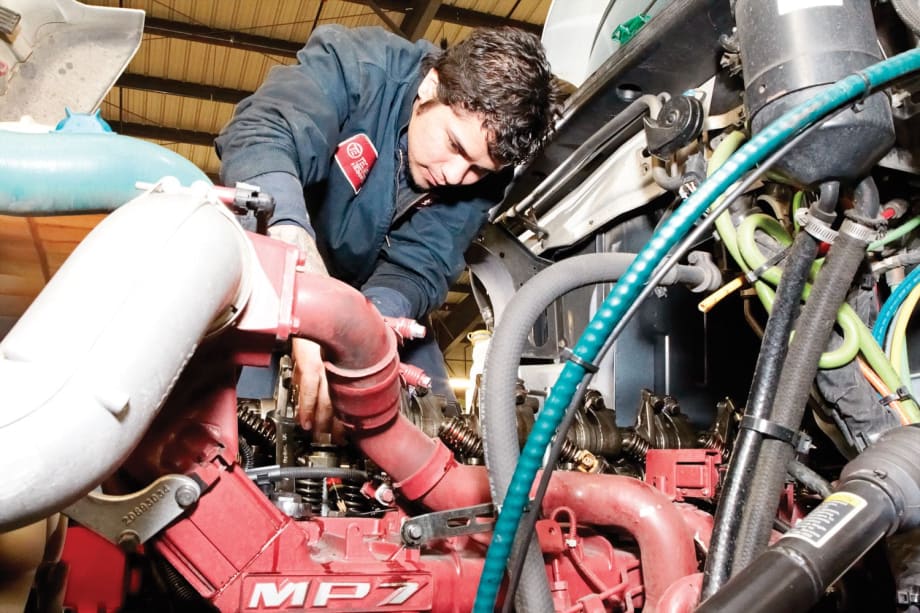
Switching from 15W-40 to 10W-30 engine oil can save 1–2%, according to Tony Negri, director of marketing, commercial lubricants at Phillips 66. Shell Rotella T5 10W-30 demonstrated fuel economy savings of up to 1.6% in on-the-road field testing in medium-duty trucks. In addition, upgrading from mineral oils to full synthetics in the transmission and drive axles offers about a 1% fuel savings on top of longer drain intervals.
115. Watch for leaking charge air coolers
A leaking charge air cooler can reduce fuel efficiency by as much as 0.5 mpg, adding up to dollars wasted every mile, according to Alliance Truck Parts. A leak-free charge air cooler can save up to $28 a day, $140 per week, or $7,280 per year (figuring 600 miles per day with an average diesel cost of $3.80 per gallon and average fuel economy of 5.5 mpg.)
Have your charge air cooler tested for leaks every time your vehicle is in service or when the oil is changed. The simple test only takes 10-15 minutes and can save you thousands of dollars a year.
116. Replace worn-out fuel injectors
Fuel injectors are maintenance items, says Detroit Diesel. Over time, performance is diminished due to wear and tear on moving parts and metal-to-metal sealing surfaces. Adding to this, extreme heat and high combustion pressures cause carbon buildup on injector tips, which degrades fuel atomization and spray patterns and decreases combustion efficiency.
117. Dragging brakes are a drag on fuel economy
Drivers should feel the wheels and hubs on walk-around inspections to detect any irregularities. Pay attention to drivers who report the brakes on the truck may be dragging at times or under certain circumstances is losing power, says J.J. Keller.
118. Get help with installation
If what’s keeping you from installing all those aftermarket aerodynamic devices on your trucks and trailers is a lack of manpower, there are companies out there that can help.
“We commonly see solutions that can provide a fleet anywhere from $50 to $250 in fuel savings, per unit, per month, but every day that passes without a technology is a missed opportunity to realize those savings,” says Deryk Powell, president of Velociti, which bills itself as a “technology deployment” company. “While an installation may seem simple and fleet technicians may have the skills to do the work, managing the project is time-consuming, and has a major effect on the financial results of the investment.”
119. More than looks
Damaged body and trim items can adversely affect vehicle aerodynamics. Keep all body surfaces smooth and unobstructed to facilitate optimum airflow over the vehicle.
120. Consider an engine overhaul
If you’ve got an older engine and don’t want to buy entirely new equipment, there are steps you can take to improve your engine’s performance and efficiency. For instance, Detroit’s StepUP Overhaul gives four options for improving the performance of DD Series, Series 60 or MBE 4000 engine. Other engine builders also offer rebuilding choices and remanufactured diesels with like-new performance and warranties.
121. Keep the truck in shape
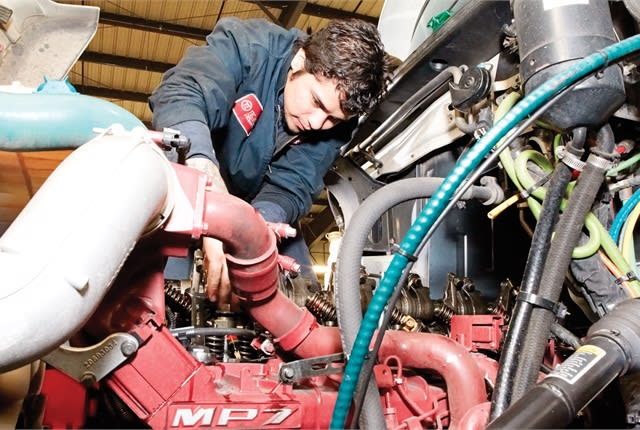
Make sure PMs are done on schedule, the alternator’s charging the batteries, and the cables and connections are clean and healthy. That way the engine will start when you want it to and you won’t have to idle it to be sure. Poor chassis lubrication, filter restrictions, etc. can increase engine load and waste fuel. Leaks in the fuel system are a prime example of a maintenance issue reducing fuel mileage, notes J.J. Keller.
Truck makers offer telematics systems that can alert you and the dealer about fault codes thrown on the road and what’s causing them. The sooner you get them addressed, the more efficiently the truck will run.
This goes for all sizes of fleet vehicles. Fleet management company PHH Arval says keeping fleet vehicles well tuned can improve overall gas mileage by an average of 4% per vehicle, and that replacing a faulty oxygen sensor can improve mileage by as much as 40%.
RELATED: 121 Ways to Save Fuel
More Fleet Management
Why This Trucking Recovery Is Different
Freight demand remains sluggish, but rising costs and tougher enforcement have taken enough capacity out of the market to change the outlook for motor carriers.
Read More →
Platform Science Adds Dispatch and Safety Tools
Four additions to PS Fleet help fleets monitor loads, manage driver coaching, share truck locations and adjust video system settings.
Read More →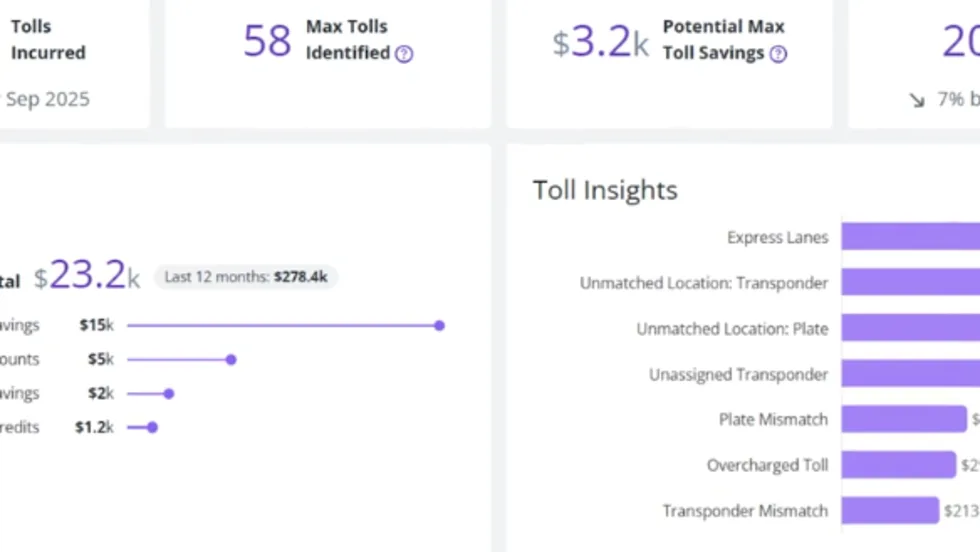
PrePass Intelligence Mines Fleet Bypass, Toll and Safety Data
PrePass Intelligence helps fleets measure bypass savings, flag potential toll overcharges, and spot suspicious transactions by combining data from separate systems.
Read More →
Motive Adds AI Agents for Fleet Operations
New tools automate follow-up on fleet data, from maintenance work orders to driver alerts, with two-way voice conversations planned for later this year.
Read More →
Can You Beat Our Trucking Trivia Challenge?
Test your truck knowledge with 19 trivia questions from Heavy Duty Trucking Exchange. Can you keep up with the fleet pros?
Read More →
BeyondTrucks Adds Rules Checks to Dispatch
New Compatibility Engine checks driver qualifications, equipment requirements and fleet policies before loads are dispatched.
Read More →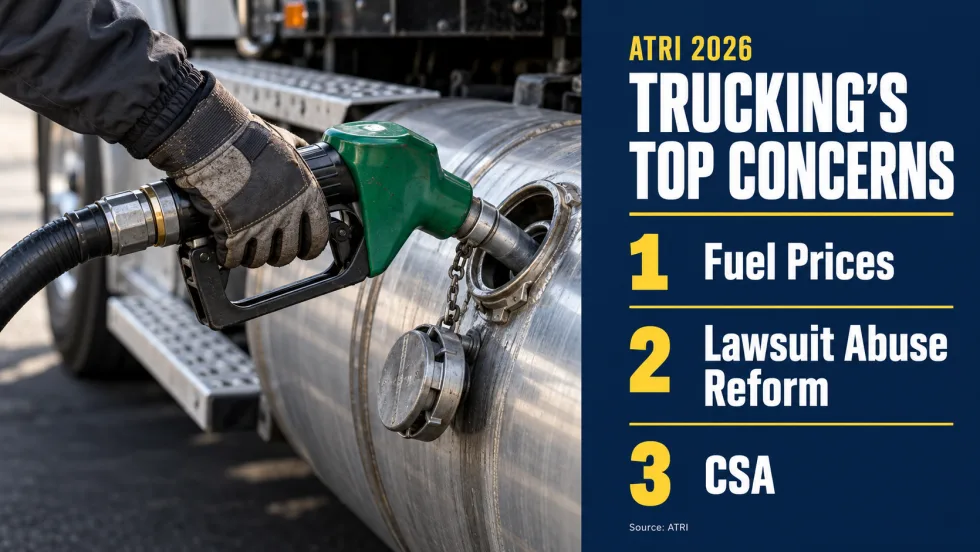
Diesel Prices Hijack Trucking’s Worry List
ATRI’s annual survey finds cautious optimism about freight, but diesel costs, litigation, and insurance continue to squeeze fleets. Drivers have different priorities on several issues.
Read More →
Nomination Deadline Extended for HDT Emerging Leaders
Just a few more days to nominate accomplished trucking fleet professionals under 40 who are making an impact and helping lead the industry forward for the HDT Emerging Leaders award. Deadline extended to October 20!
Read More →
What Will ATA’s New Leader Bring to Trucking's Table?
Incoming President and CEO Mark Colson’s record in Alabama offers clues about his priorities and approach following Chris Spear’s abrupt departure as the head of the American Trucking Associations.
Read More →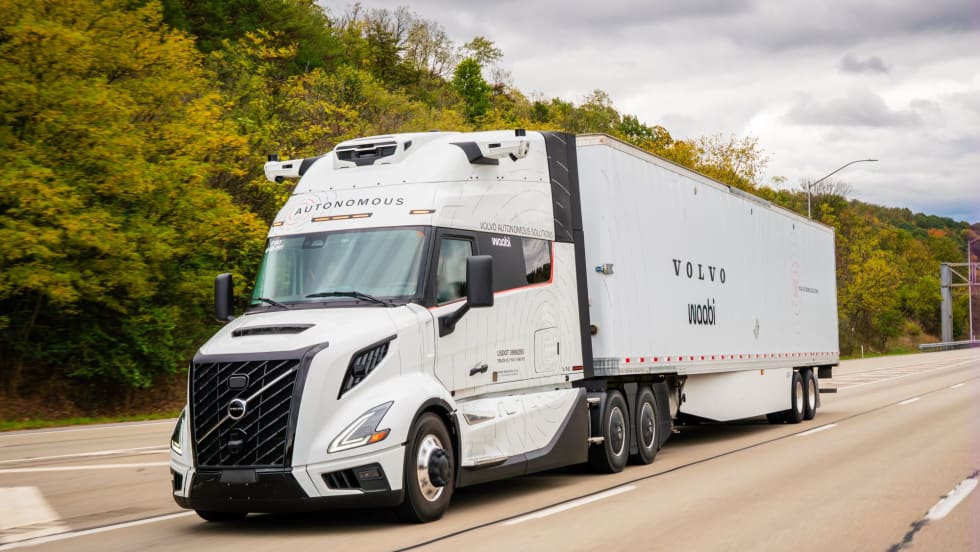
Volvo, Waabi Start Commercial Autonomous Operations in Texas
Volvo VNL Autonomous trucks, powered by the Waabi Driver, are hauling freight directly to third-party facilities for a customer in Texas.
Read More →