




Modern commercial vehicles are cleaner and more economical than ever before, and Bosch says its diesel direct-injection systems have contributed significantly to this progress. The high-injection pressures and the accurately
measured quantities of injected fuel they provide permit highly efficient combustion with low levels of harmful emissions and consumption.
In contrast to other injection systems, the common-rail system separates the pressure-generation and injection processes. Each cylinder is supplied with fuel under high pressure from a common feed line (hence "common-rail"). This permits the moment of injection to be controlled very accurately, and the quantity of fuel to be metered very precisely. It is also possible for pre-injection and post-injection to be provided flexibly, and one of the benefits of this is smooth, and therefore comfortable, engine running. The Bosch common-rail system is therefore being fitted to more and more modern commercial vehicles for use both on and off the highway.
The greater the injection pressure, the more finely the injection system atomizes the fuel, thus permitting even more efficient combustion. Bosch launched the third-generation common-rail system, which provides 1,800 bar of injection pressure, for lightweight and medium-sized commercial vehicles in 2005. For heavy commercial vehicles, the common-rail system supplies 1,600 bar injection pressure, and 1,800 bar is already planned for next year.
Bosch introduced the common-rail injection system for cars in 1997, a world first. The first Bosch common-rail generation for commercial vehicles went into series production in 1999, employing 1,400 bar injection pressure. The second generation, with 1,600-bar pressure, followed in 2001.
With exhaust limits becoming increasingly strict in all parts of the world, Bosch is continuously developing its injection systems even further. A further development of the third common-rail generation, for instance, employing up to 2,200-bar injection pressure, is planned for light commercial vehicles in 2009, and for heavy commercial vehicles one year later.
In addition, Bosch is developing a pressure-converter common-rail system, with 2,100 bar injection pressure, for heavy commercial vehicles, which will go into series production at the end of 2006. The special feature of this system is that it uses two solenoid valves for each injector, which allows pre-injection, main injection, and post-injection to be matched accurately to the requirements of every engine operating state, in order to reduce both harmful emissions and consumption even further.
The unit-injector system (UIS) integrates the injection pump and nozzle for each cylinder into a single assembly (the "unit injector"). The pump pistons are driven by the engine's camshaft, and generate an injection pressure of up to 2,200 bar for each cylinder separately. In the unit-pump system (UPS), a high-pressure pump with an integrated solenoid valve, a short injection line, and an injector is assigned to each individual cylinder. The camshaft is again used to drive the fuel pumps. Bosch has also achieved injection pressures of up to 2,200 bar with this system.
Bosch has developed the new EDC 17 control unit as a universal "brain" for all diesel-injection systems. Among other things, the Electronic Diesel Control (EDC) controls all the parameters that are significant for economical, low-emission combustion. Because the computing power and functional scope of the control unit can be adapted to a variety of requirements, it can be used very flexibly for all segments in any of the world's markets.
Bosch has pioneered diesel-injection technology from the very beginning: in 1927 the company was the first in the world to begin series production of diesel-injection pumps and nozzles for trucks, and thus paved the way for fast-running diesels in commercial vehicles, buses, and later even in automobiles. Today, Bosch offers injection systems for a wide spectrum of on-highway and off-highway engines around the world – from small, single-cylinder units for mobile construction machines to large marine diesel engines – and has achieved a market coverage that is almost unrivaled.
Bosch Developing Common-rail Systems for Heavy Duty Commercial Vehicles
Modern commercial vehicles are cleaner and more economical than ever before, and Bosch says its diesel direct-injection systems have contributed significantly to this progress. The high-injection pressures and the accuratel
More Aftermarket
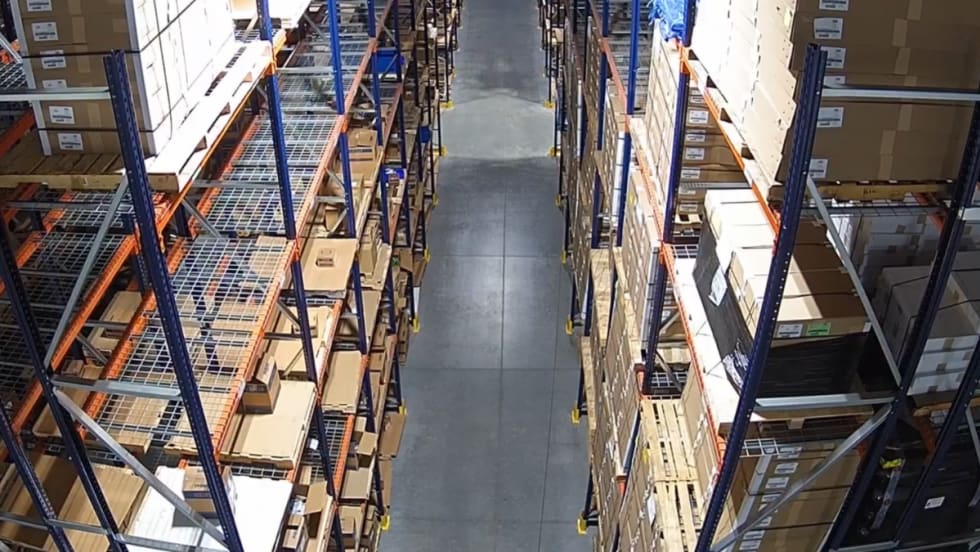
Phillips Opens High-Tech Distribution Center for Faster Parts Delivery
Phillips Industries’ new Cincinnati-area distribution center is now shipping aftermarket trucking parts nationwide, aiming to speed up delivery times for customers.
Read More →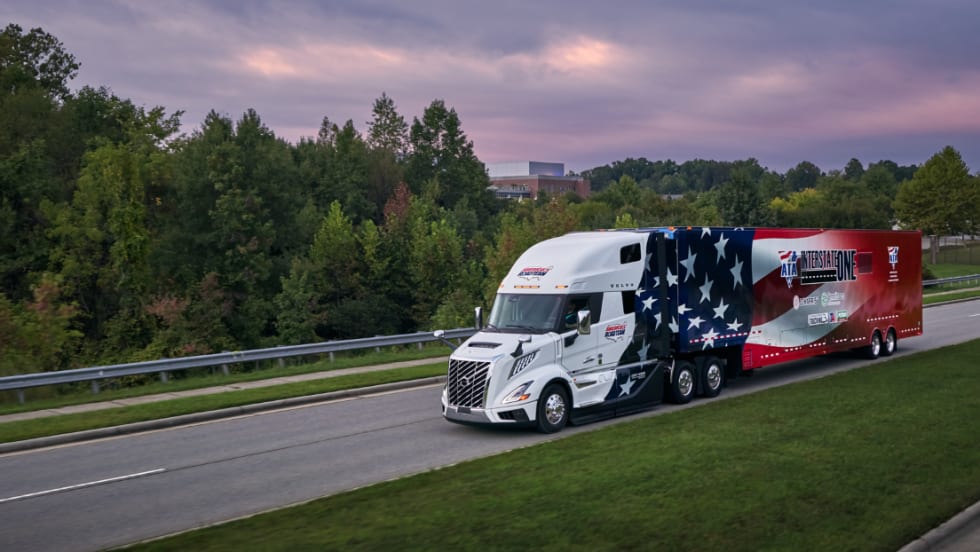
Volvo to Sponsor America’s Road Team for 2025
Volvo Trucks announced that it is extending its exclusive sponsorship of America’s Road Team for 2025.
Read More →
Webb to Start Taking Orders for UltraSet Pre-Adjusted Wheel Hubs
Webb, which recently acquired the Stemco Trifecta pre-adjusted hub program, will soon start taking orders for its replacement pre-assembled hub, the UltraSet.
Read More →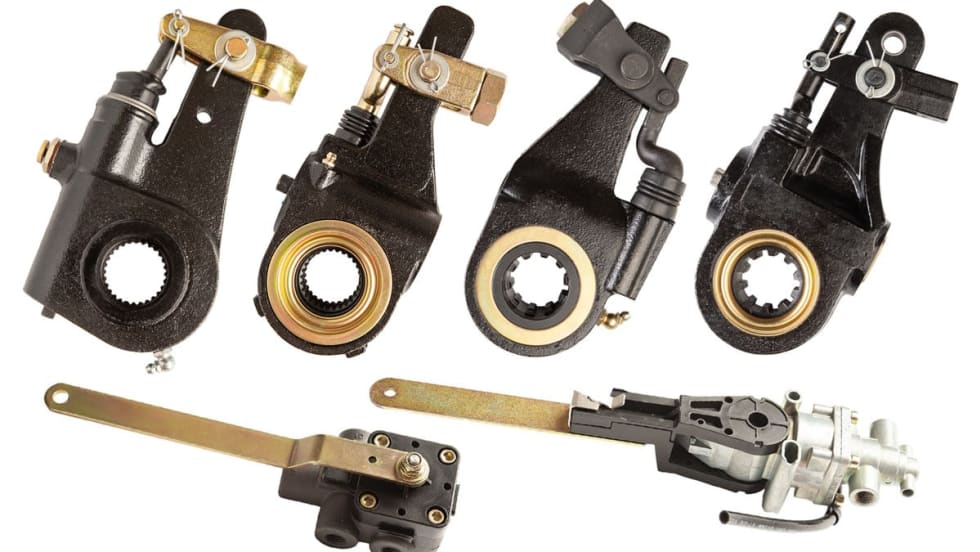
All-Makes Automatic Brake Adjusters, Ride Height Control Valves from Midland
SAF-Holland has added automatic brake adjusters and ride height control valves to its Midland All-Makes Program.
Read More →
ZF Aftermarket Expands [pro]Academy Training
ZF Aftermarket said it is expanding its ZF [pro]Academy training and will be adding 40 new modules this year.
Read More →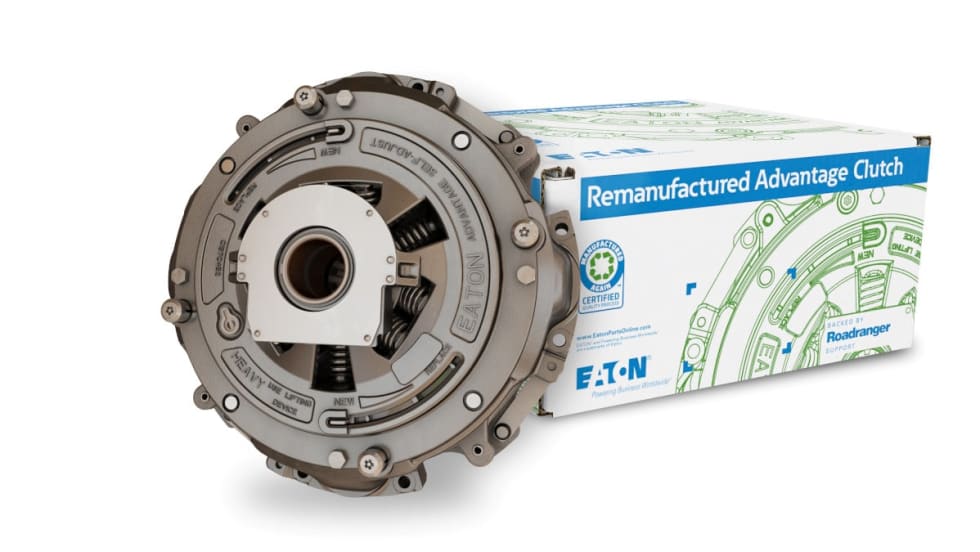
Eaton Adds Remanufactured Advantage Line of Clutches
Eaton has added its Advantage clutches to its remanufactured product line. The clutches feature a unique strap drive intermediate plate designed to allow customers to choose the latest OE specification
Read More →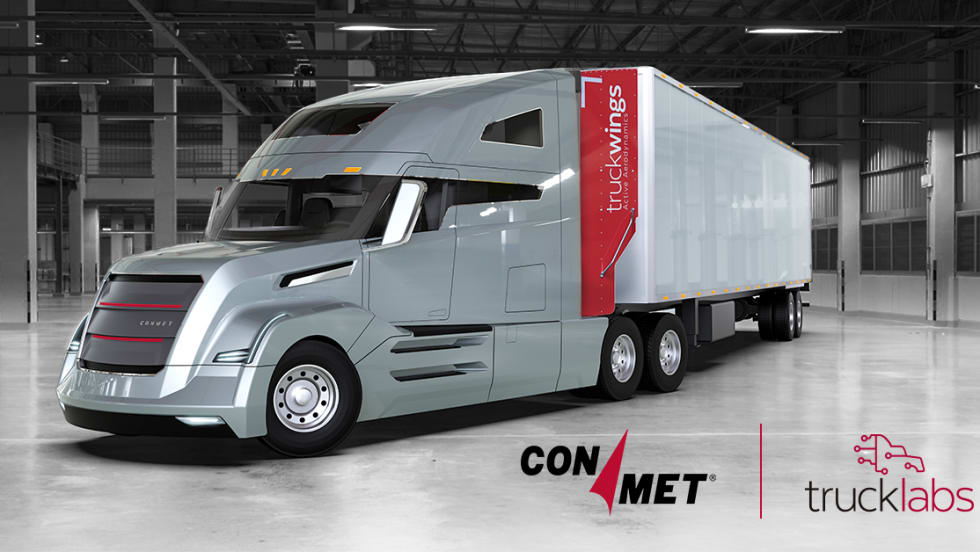
ConMet Acquires TruckLabs, the Creator of TruckWings
Commercial truck and trailer parts provider ConMet acquired TruckLabs, the company that created TruckWings, an aerodynamic device that attaches to truck cabs and deploys to close the gap between truck and trailer. TruckLabs now operates as a subsidiary of ConMet.
Read More →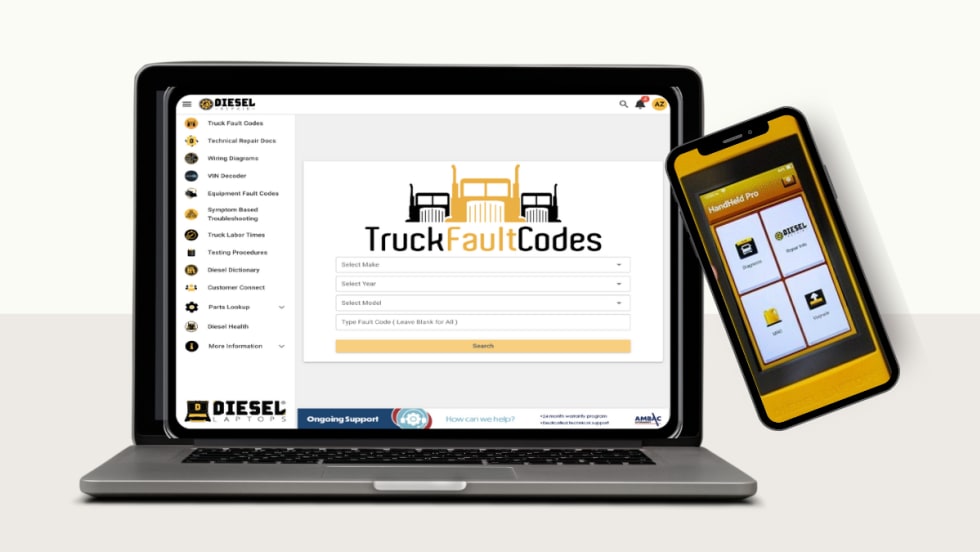
Diesel Laptops Releases Fault-Code-to-Part-Number Tool
Diesel Laptops said its Truck Fault Codes allows users to input a fault code and immediately identify and order the parts needed to complete repair work.
Read More →
Heavy Duty Parts and Labor Costs Dropped in Q2
A benchmarking report from TMC and Decisiv reveals good news for fleets as heavy-duty parts and labor costs dropped in the second quarter of 2023.
Read More →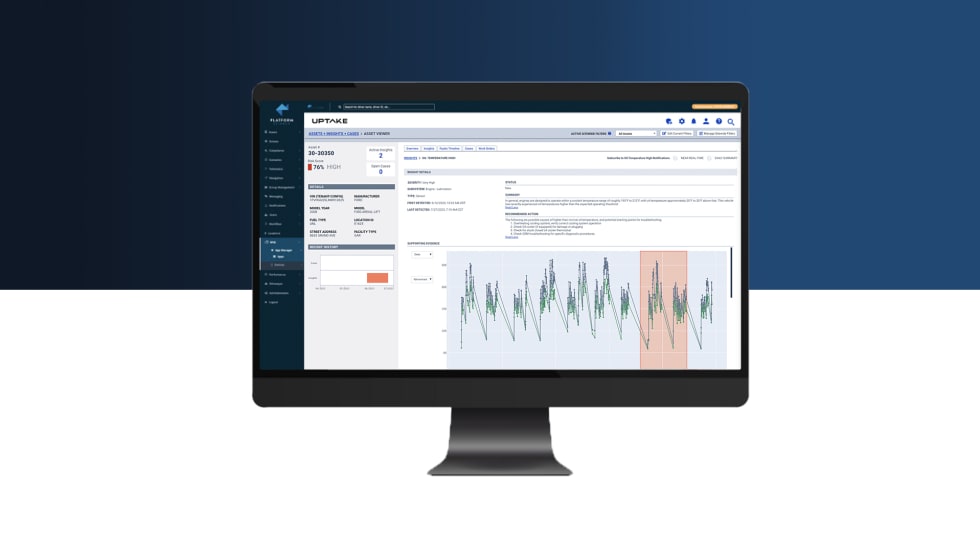
Platform Science, Uptake Partner on Predictive Maintenance Platform
Platform Science and Uptake have formed a partnership aimed at bringing a comprehensive predictive maintenance program to market for U.S. truck fleets.
Read More →