




UPS has just completed an extensive revamp of its preventive maintenance inspection (PMI) process for its 70,000 delivery vehicles, coming up with some pretty notable results.
Not that the previous process was so bad.
In fact, the firm’s PMI has been so effective over the years that other companies and government agencies have consulted with UPS' automotive engineers and adopted the company's maintenance procedures.
But the recent three-month reengineering of the preventive maintenance process resulted in improved methods for mechanics, the reduction of oil usage and disposal by 330,000 quarts each year and savings of almost $3 million annually.
"For UPS, the reliability of our delivery fleet is paramount," said Ron Kirby, UPS automotive engineering vice president. "In conjunction with our drivers, our vehicles are critical tools in making commerce happen every day for our customers. Taking care of our fleet is a business imperative for the company and our customers.
"We've also shown that significant environmental gains can be made by focusing on quality maintenance methods," Kirby continued. "State-of-the-art maintenance procedures reduce fuel consumption and oil usage resulting in lower emissions. And reducing UPS' impact on the environment is a strategic objective of the company."
UPS' Automotive Study Group evaluated every aspect of the PMI process from oil changes and lubrication systems to warranty tracking. In addition, intensive time and motion studies were conducted to optimize each step a mechanic takes while performing the inspection.
The redesigned process is built around the individual characteristics of UPS' delivery fleet, essentially giving each vehicle its own fingerprint. Through rigorous part testing, real-time duty cycle analysis and fleet-wide assessments, the Study Group developed a detailed matrix of vehicle characteristics, including engine type, vehicle group, miles driven, days of service and manufactures' recommendations for oil changes and other types of engine service.
It was this process, for example, that allowed UPS to better gauge how frequently a vehicle type needs an oil change. Some vehicles were found to need less frequent oil changes, providing the net savings of 330,000 quarts.
All vehicle characteristics are tracked by the company's proprietary Automotive Information System (AIS) software, a key factor in the success of UPS' maintenance programs. AIS tracks all aspects of fleet maintenance and notifies mechanics when a specific vehicle should come in for a preventive maintenance inspection. AIS removes the guesswork in planning labor for vehicle repairs, maintaining parts inventory and estimating fuel usage. The software also allows engineers to pinpoint trends and constantly refine methods and specifications.
"UPS' delivery fleet is clearly one of the company's most valuable assets," said Kirby. "The exhaustive vehicle analysis performed by our Automotive Information System allows us to manage those assets with one-of-a-kind maintenance procedures."
Headquartered in Atlanta, Ga., UPS serves more than 200 countries and territories worldwide. For more information, visit www.UPS.com.
UPS’ PM Plan Renovated, Saving 330,000 Quarts of Oil
UPS has just completed an extensive revamp of its preventive maintenance inspection (PMI) process for its 70,000 delivery vehicles, coming up with some pretty notable results. Not that the previous process was so bad
More Drivers

Owner-Operator Model Gets Boost as DOL Proposes 2024 Independent Contractor Definition Reversal
For an industry that has watched this issue go back and forth for years, the independent contractor proposal marks the latest swing in the regulatory pendulum.
Read More →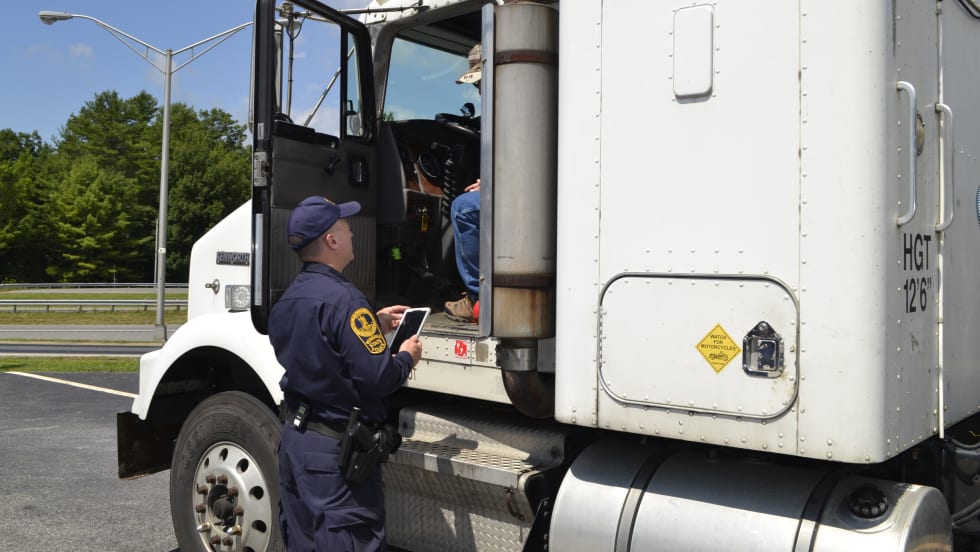
FMCSA Reinstates Field Warrior ELD to Registered Device List
One electronic logging device has been reinstated to the FMCSA's list of registered ELDs.
Read More →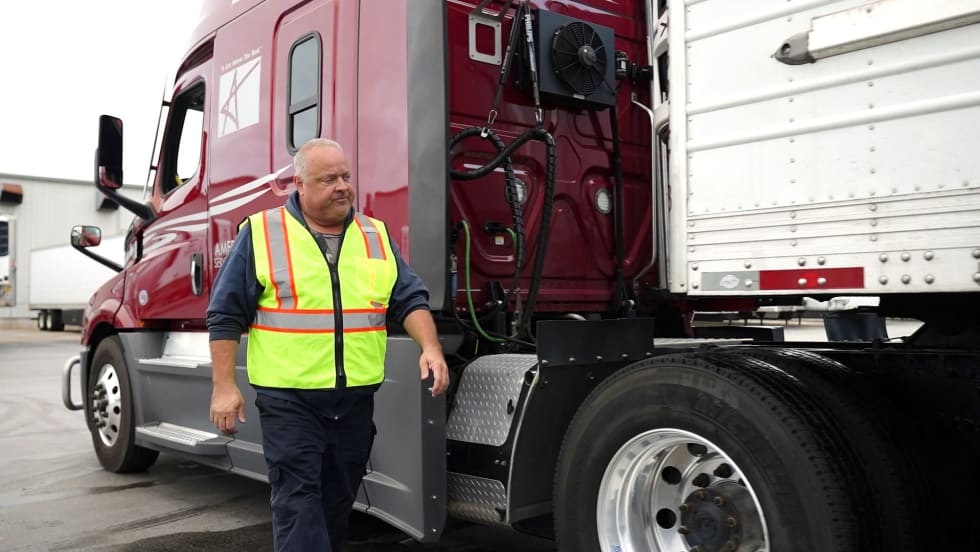
How One Company is Using Smart Suspension Technology to Reduce Driver Injuries and Improve Retention
America’s Service Line adopted Link’s SmartValve and ROI Cabmate systems to address whole-body vibration, repetitive strain, and driver turnover. The trucking fleet is already seeing measurable results.
Read More →
CarriersEdge Announces 2026 Best Fleets to Drive For
The 18th annual contest recognizing the best workplaces for truck drivers sees changes to Top 20, Hall of Fame
Read More →
FMCSA Targets 550+ ‘Sham’ CDL Schools in Nationwide Sting Operation
The Federal Motor Carrier Safety Administration issued more than 550 notices of proposed removal to commercial driver training providers following a five-day nationwide enforcement sweep. Investigators cited unqualified instructors, improper training vehicles, and failure to meet federal and state requirements.
Read More →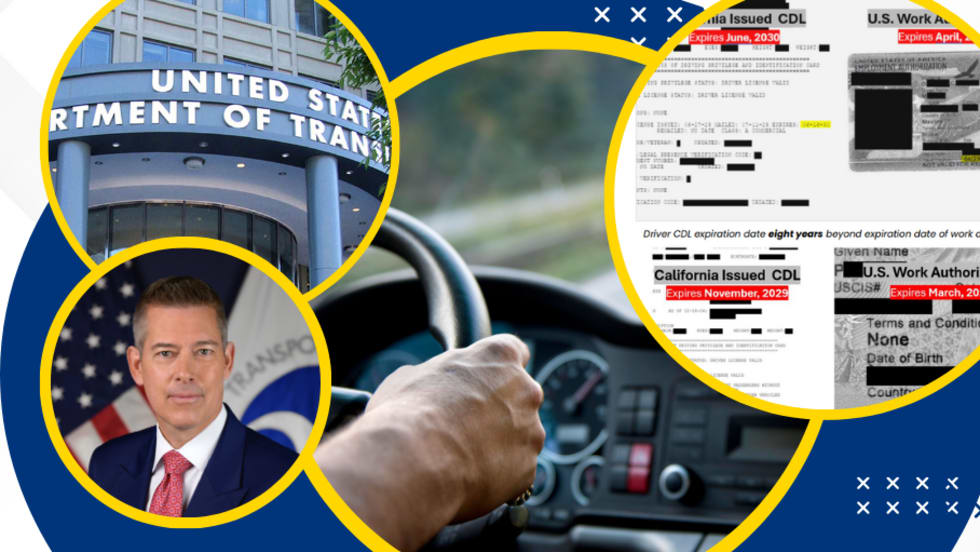
DOT Alleges Illinois Issued Illegal Non-Domiciled CDLs
Illinois is the latest state targeted and threatened with the loss of highway funding by the U.S. Department of Transportation in its review of states' non-domiciled CDL issuance procedures. The state is pushing back.
Read More →FMCSA Locks in Non-Domiciled CDL Restrictions
After a legal pause last fall, FMCSA has finalized its rule limiting non-domiciled commercial driver's licenses. The agency says the change closes a safety gap, and its revised economic analysis suggests workforce effects will be more gradual than first thought.
Read More →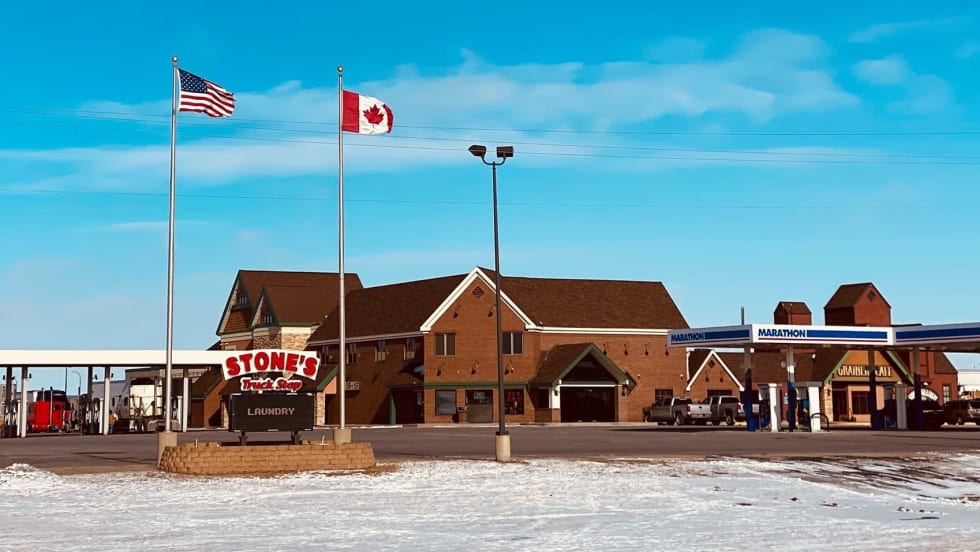
Trucker Path Names Top Truck Stops for 2026
Truck driver ratings reveal the best chain and independent truck stops in the country.
Read More →
Stop Watching Footage, Start Driving Results
6 intelligent dashcam tactics to improve safety and boost ROI
Read More →
What FMCSA’s New Enforcement Push Means for Fleets in 2026 [Podcast]
Listen as transportation attorney and TruckSafe Consulting President Brandon Wiseman joins the HDT Talks Trucking podcast to unpack the “regulatory turbulence” of last year and what it means for trucking fleets in 2026.
Read More →