





For links to more official government documents and information on the COVID-19 pandemic, visit our resources page at www.truckinginfo.com/COVID-19Resources.
FMCSA Offers More Answers to Questions on COVID-19 Hours of Service Exemption
The Federal Motor Carrier Safety Administration issued a second installment to frequently asked questions regarding the nationwide emergency hours-of-service exemption for truck drivers hauling loads related to the COVID-19 corinavirus pandemic.
March 26, 2020
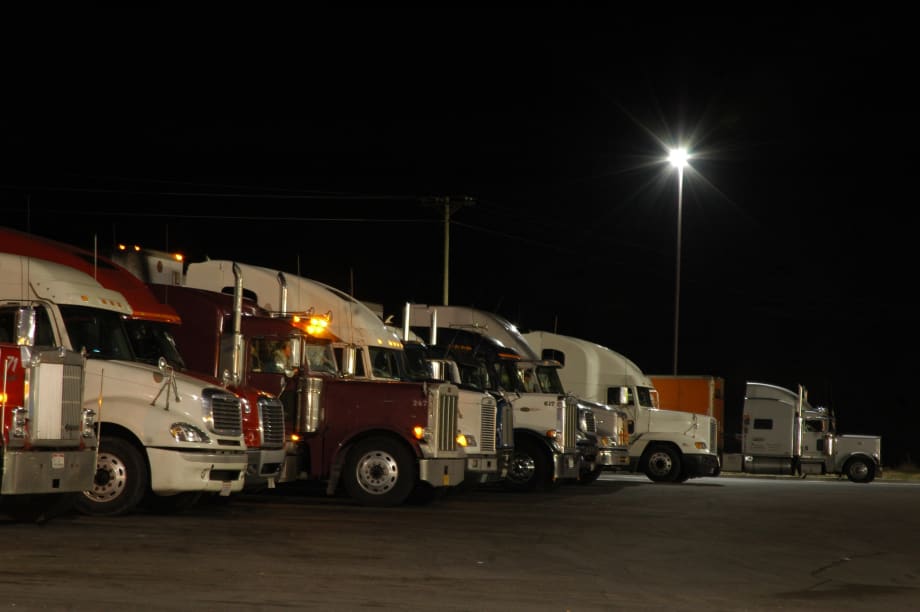
Among other things, the FAQ addresses what drivers should do if they are unable to find truck parking when it's time for their 10 hour rest break.
Photo: Jim Park
2 min to read
The Federal Motor Carrier Safety Administration issued a second installment to frequently asked questions regarding the nationwide emergency hours-of-service exemption for truck drivers hauling loads related to the COVID-19 corinavirus pandemic.
The Federal Motor Carrier Safety Administration on March 18 issued an expanded national emergency declaration to provide hours-of-service regulatory relief to commercial vehicle drivers transporting emergency relief in response to the nationwide coronavirus (COVID-19) outbreak.
On March 19, it issued a frequently-asked questions document. The latest FAQ, issued March 25, is as follows:
Is wood pulp covered under the expanded emergency declaration?
Wood pulp is covered if it is being used as a precursor to one of the essential items listed in the exemption as follows: (1) medical supplies and equipment related to the testing, diagnosis and treatment of COVID-19; (2) supplies and equipment necessary for community safety, sanitation, and prevention of community transmission of COVID-19 such as masks, gloves, hand sanitizer, soap and disinfectants or (3) food, paper products and other groceries for emergency restocking of distribution centers or stores.
Are the raw materials used to manufacture bleach, disinfectants, hand sanitizers and similar items covered under the expanded emergency declaration?
Yes, these items and their precursors are covered as “supplies necessary for community safety, sanitation and community prevention of ...COVID 19.”
Does the declaration cover packaging for food -- for example, produce containers?
Yes, packaging is covered as a precursor necessary to the production and transportation of products covered under the emergency exemption.
Are feed and fertilizer covered under the emergency declaration?
Yes, both are covered as precursors to essential items.
Is pet food covered under the emergency declaration?
No, pet food is not covered.
The emergency declaration states that after completed work under the declaration and returning to normal operations, a commercial vehicle driver must take 10 hours off. What if there is nowhere at the location for the driver to park?
The driver may proceed to the nearest reasonable, safe location to obtain the required 10 hours of rest.
Is the time spent driving to pick up a truck regulated as on duty time?
No. Time spent travelling to work in a personal vehicle does not meet the definition of on duty time in 49 CFR 395.2.
More Safety & Compliance

FDA Eases Path for Oral-Fluid Testing
Federal actions could advance oral-fluid drug testing for truck drivers, but lab certification delays and marijuana rescheduling questions remain.
Read More →
Kodiak Lines Up Fleets for Driverless Trucking
An agreement for 75 trucks, a new Texas freight lane, and progress on safety validation move Kodiak closer to its planned driverless highway launch.
Read More →
More Trailer Data Through the Same Seven-Way [Video]
Can trucking’s standard seven-way connector handle more cameras and trailer data? Grote’s Adam Slade shows HDT how the company is using new technology with its 4See trailer system, not only to add a new backup camera but also to expand other capabilities — without adding another connection.
Read More →

PrePass Intelligence Mines Fleet Bypass, Toll and Safety Data
PrePass Intelligence helps fleets measure bypass savings, flag potential toll overcharges, and spot suspicious transactions by combining data from separate systems.
Read More →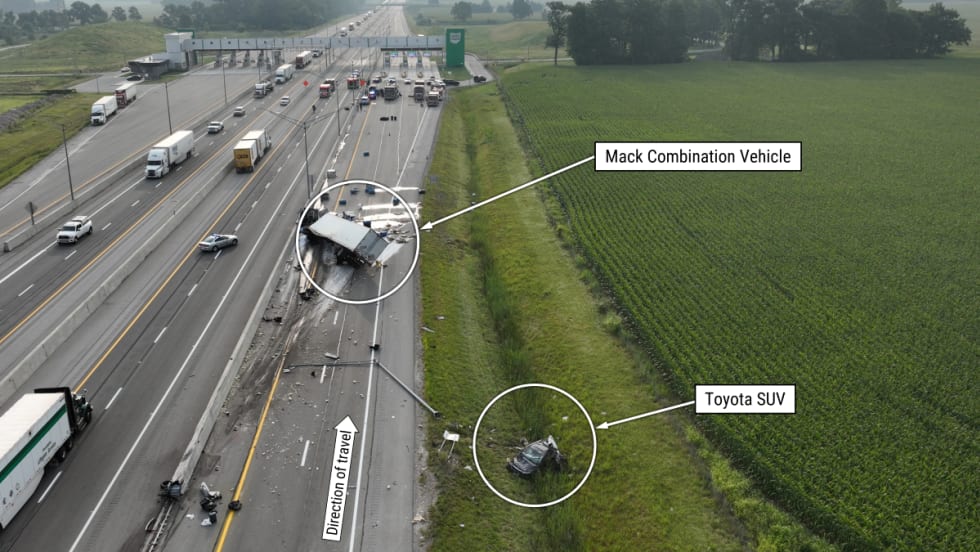
Fatal Crash Exposes Toll Plaza Risks
An NTSB investigation found that last-minute lane changes and large speed differences at an Ohio toll plaza created a hazard the truck driver couldn't avoid in time.
Read More →
When Language Stops the Truck: The Return of ELP Out-of-Service Orders
English language proficiency rules for commercial drivers aren’t new, but renewed out-of-service enforcement has raised the stakes. Here’s what carriers need to know before a driver reaches a roadside inspection.
Read More →
Sponsored•October 6, 2026
A Camera Isn't a Safety Program. Here's What Brokers Are Screening for Now
Footage alone may not be enough to pass broker vetting processes. Here's what counts as a defensible safety program now.
Read More →
Marijuana and Trucking’s Drug-Testing Dilemma
Marijuana is getting stronger, laws are changing, and drug tests still can’t reliably establish impairment. What does that mean for truck drivers and the fleets that employ them?
Read More →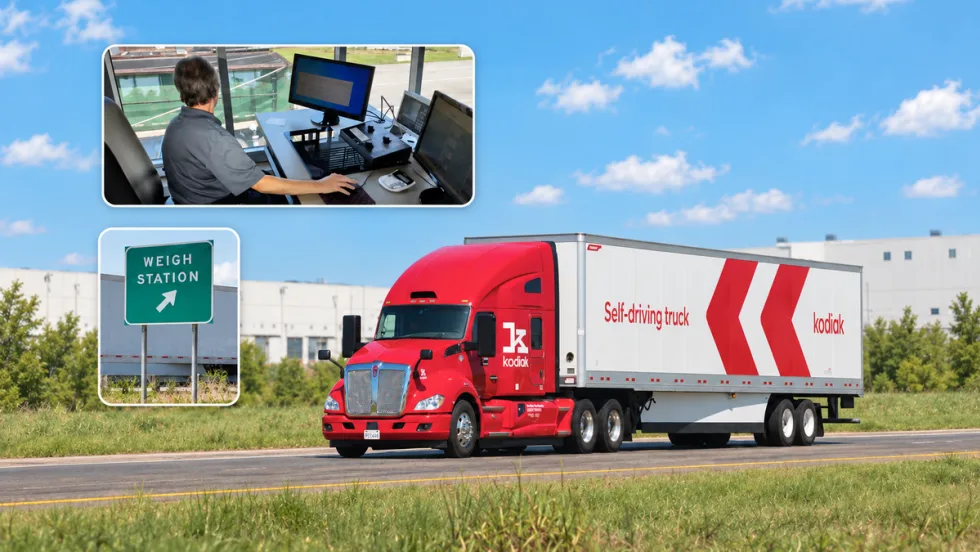
PrePass, Kodiak Connect Driverless Trucks to Roadside Enforcement
The system will allow enforcement agencies to verify Enhanced Inspection information and decide whether Kodiak’s autonomous trucks can bypass roadside screening sites.
Read More →
From One Generation to the Next: How Mentorship Builds Safer Truck Drivers
After three decades in trucking, Harold Perry shares what he's learned about driver safety, mentorship, and helping the next generation build confidence behind the wheel.
Read More →