




Pennsylvania, California Tighten COVID-19 Restrictions
Pennsylvania and California issued stricter orders to residents and businesses to try to contain the spread of the COVID-19 coronavirus. What does that mean for trucking and other commercial transportation?

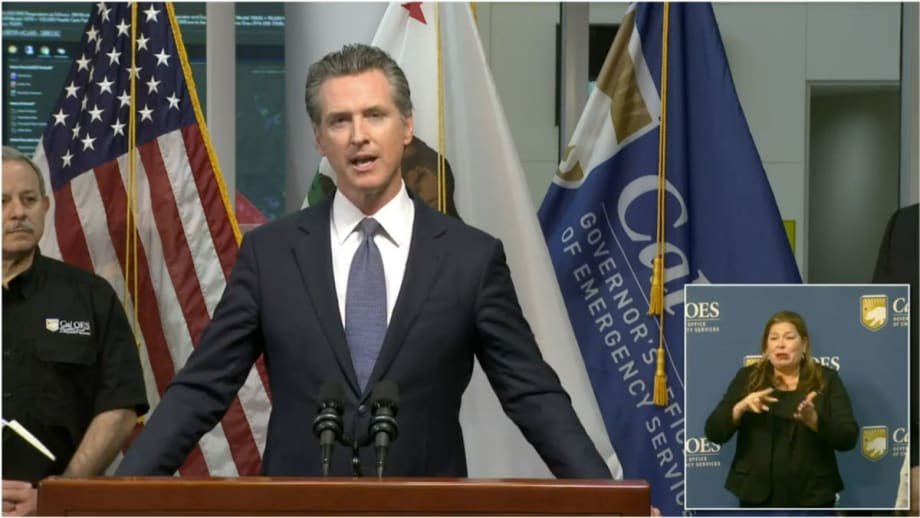
California Gov. Gavin Newsom issues a stay-at-home order March 19.
Screen shot from Facebook Live press conference
Late on March 19, Pennsylvania and California issued stricter orders to residents and businesses to try to contain the spread of the COVID-19 coronavirus.
Pennsylvania’s governor issued an order effectively requiring all non-life sustaining businesses to close their physical locations and move to a virtual/telework business model to attempt to stem the spread of the COVID-19 virus.
California’s governor issued an order to California residents to “stay at home” except as needed to maintain continuity of operations of critical businesses. In his order, Gov. Newsom specifically recognized that “the supply chain must continue.”
The transportation attorneys at Scopelitis, Garvin, Light, Hanson & Feary point out that these orders apply regardless of whether businesses are open to the public, and therefore have a substantially farther reach than currently existing state and local restrictions on restaurants, bars, and other businesses at which people typically gather.
Both states continue to permit the operation of “essential” businesses. The federal government has identified transportation and logistics services as part of the essential critical infrastructure, and no state-level order has yet sought to curtail these essential operations.
An alert from Scopelitis explains that beyond transportation of cargo, this includes employees supporting or enabling transportation functions, firms that enable transportation logistics, automotive repair and maintenance facilities, manufacturers and distributors of packaging and distribution and staging materials, and employees who repair and maintain vehicles.
The California Trucking Association issued an alert to members noting that in the governor's press conference, he indicated he is largely expecting voluntary compliance, but that enforcement actions could be taken in the future if necessary.
“CTA staff is already working to seek further guidance and clarification from the federal and state governments. In the meanwhile, please heed this section of from the Department of Homeland Security guidance: ‘Critical infrastructure industry partners will use their own judgment, informed by this list, to ensure continued operations of critical infrastructure services and functions. All decisions should appropriately balance public safety while ensuring the continued delivery of critical infrastructure services and functions.’
“It goes without saying that we are in uncharted territory. We urge our members to exercise your best judgment during these times and institute best practices to ensure our essential workforce remains healthy and that we can continue to keep the nation's supply chain moving.”
More Safety & Compliance
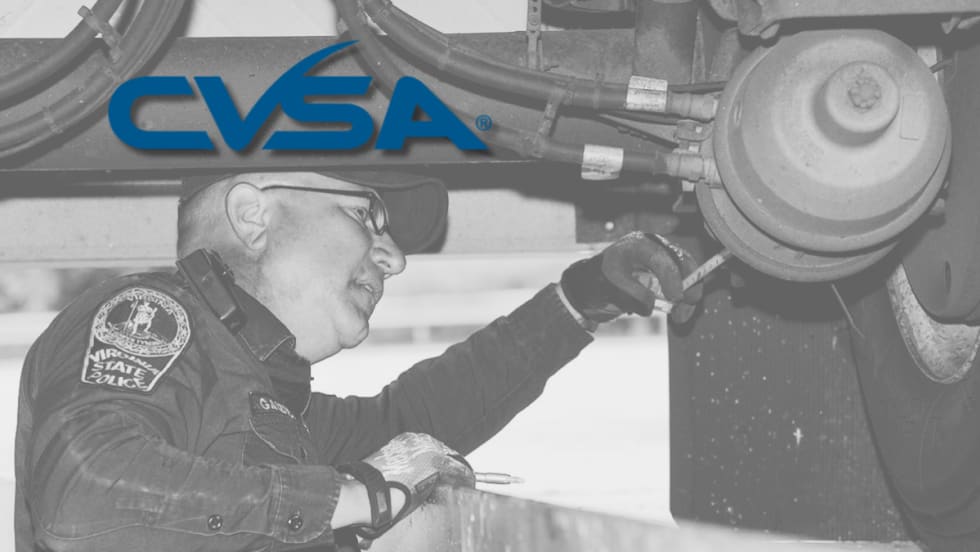
Brake Safety Week to Focus on Drums and Rotors
Commercial vehicle inspectors will be focusing on brakes during CVSA's Brake Safety Week, August 23-29.
Read More →
Trump Administration Looks to Put More Veterans Behind the Wheel
The Freedom Haulers program pulls together existing and expanded programs at several federal agencies to recruit veterans to drive commercial heavy-duty trucks and cut the red tape for them to get a CDL, training, and employment.
Read More →
$604 Million Verdict Tests Broker Liability After Supreme Court Ruling
C.H. Robinson plans to appeal after a Texas jury found it bore the largest share of responsibility for a fatal 2021 crash, in a case that follows the Supreme Court's Montgomery decision allowing negligent hiring claims against freight brokers.
Read More →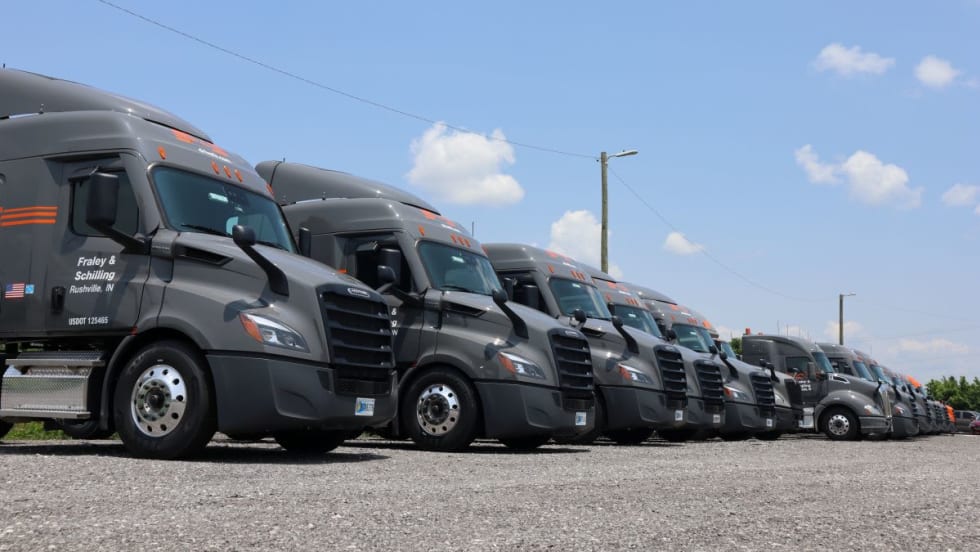
How Fraley & Schilling Improved Logbook Compliance by Over 50%
Fraley & Schilling needed a way to close a compliance workflow gap in its ELD system without adding more work from driver training, reminders, and back-office follow-ups. It found the answer in a custom driver app.
Read More →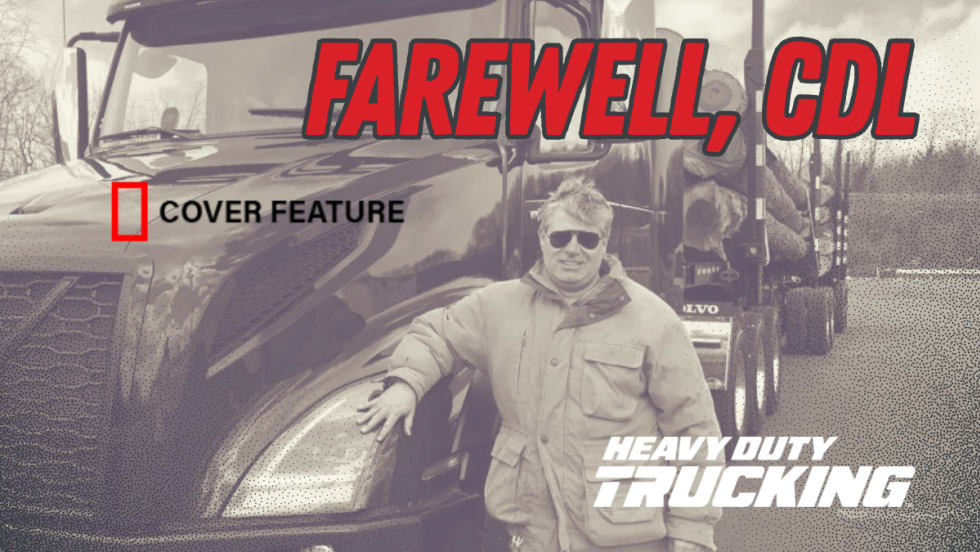
Farewell, CDL: Why I'm Giving Up My Commercial Driver's License
After more than 20 years as a CDL holder, HDT Executive Editor Jack Roberts is letting his commercial license expire. Not because he wants to — but because trucking's nuclear verdict crisis has made the risks of public-road test drives too great for editors, manufacturers, and everyone involved.
Read More →
Enhance Fleet Performance with High-Efficiency Auxiliary Power Units
Drive sustainable cost savings while increasing driver comfort during short- and long-haul logistics operations.
Read More →
Wabash Trailers Recalled for Improperly Installed Underride Guards
More than 900 Wabash dry van trailers may not comply with the Federal Motor Vehicle Safety Standard for rear impact guards.
Read More →
Why K&B Trucking Is Embracing AI and Driver Safety Technology
Crunching data and embracing artificial intelligence are key in K&B Trucking's safety efforts, says the company's safety director.
Read More →
The Hidden Problem Behind FMCSA's ELD Revocations
NMFTA researchers say dozens of registered ELDs may be built on the same software platforms, allowing compliance and security concerns to persist even after individual devices are removed from the market.
Read More →
ATRI Wants Motor Carriers for Driver-Facing Camera Study
In this new study, the American Transportation Research Institute will explore how driver-facing cameras can impact safety and operational metrics in trucking fleets.
Read More →