




Related: Freight Rates Expected to Fall, But Truck Production Remains at All-Time Highs
Class 8 Engines: Is Smaller Displacement the Wave of the Future?
There looks to be a shift away from spec'ing 14L engines in new Class 8 trucks in favor of powerplants that range from over 10L to under 14L in displacement, according to ACT Research and Rhein Associates.
by HDT Staff
August 29, 2019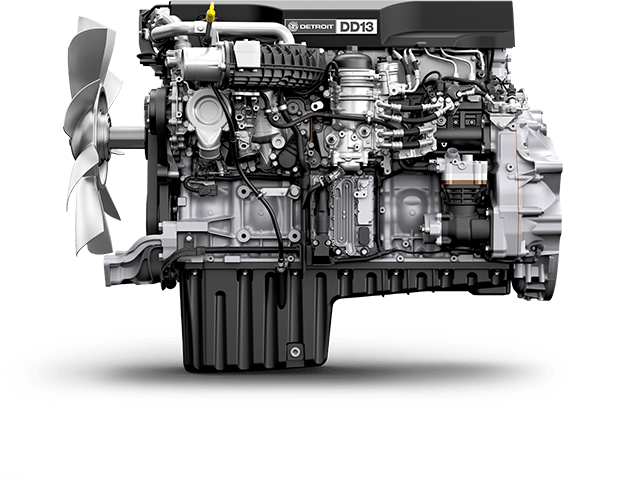
An example of a less than 14L and over 10L engine is the 12.8L Detroit DD13.
Photo: Detroit Diesel Corp.
2 min to read
There looks to be a shift away from spec’ing 14L engines in new Class 8 trucks in favor of powerplants that range from over 10L to under 14L in displacement. And the trend to smaller-displacement engine is expected to continue as diesel’s market hegemony comes “under attack” by alternative power.
That analysis is included in the N.A. Commercial Vehicle On-Highway Engine Outlookreport recentlypublished by ACT Research and Rhein Associates, which predicts that engines over 10L will account for more than 85% of the Class 8 production between 2020 and 2024.
“Although the over-14L engine category will remain the largest segment in 2019, there is a trend to smaller-displacement engines in the over 10L market segment for Class 8 trucks and tractors, with an acceleration prompted by new emission regulations expected in 2024,” said Tom Rhein, president of Rhein Associates.
For Class 5-7, he said, "the current metric of interest is gasoline penetration, which continues to see share gains.”
Kenny Vieth, ACT president and senior analyst, noted that, “Diesel power is under attack long-term for use in on-highway commercial vehicles. Alternative power is being developed, tested, and refined, even as diesel engines are transitioning to become more fuel-efficient and clean.
“Emission regulations are one of the main drivers of alternative fuel adoption, which is why the Engine Outlook includes a section on the commercial vehicle regulatory environment,” he continued.
Vieth also offered a caution. “While many think this is a California-only phenomenon, we would note that Oregon’s legislators recently voted in favor of a bill to regulate diesel trucks in the Portland metro area, and we continue to see reports about various state and federal-level funding for alternative fuel programs that are sending millions of dollars toward these efforts for both commercial and passenger vehicle use.”
The engine report highlights power-source activity for Class 5 to 8 trucks and includes five-year forecasts of engines volumes and product trends. Rhein Associates is a supplier of powertrain information to worldwide clients. ACT Research is a publisher of commercial vehicle truck, trailer, and bus industry data, market analysis and forecasts for the North America and China markets.
More Fuel Smarts
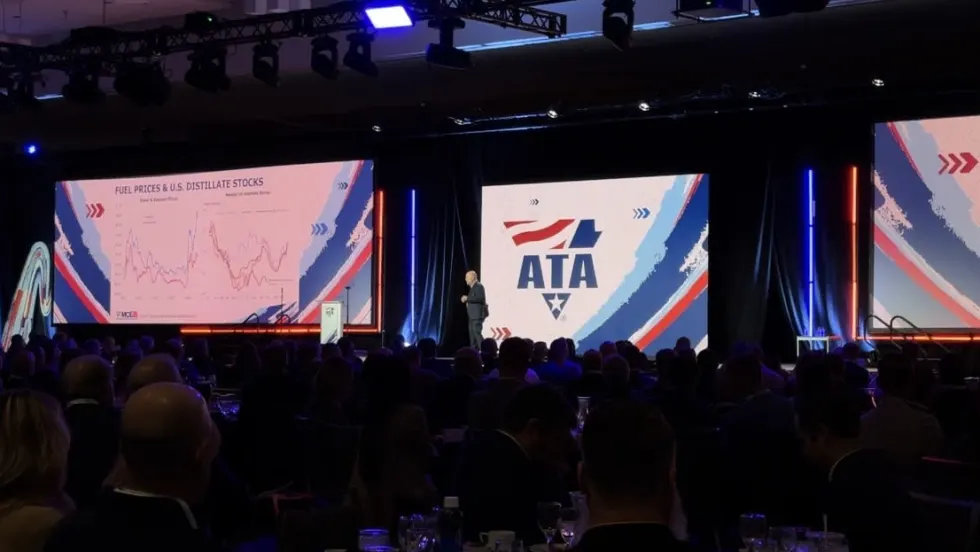
Trucking’s Diesel Squeeze Isn’t Letting Up
With diesel topping $6 a gallon nationally, ATA's Bob Costello explains why fleets should prepare for continued pressure at the pump.
Read More →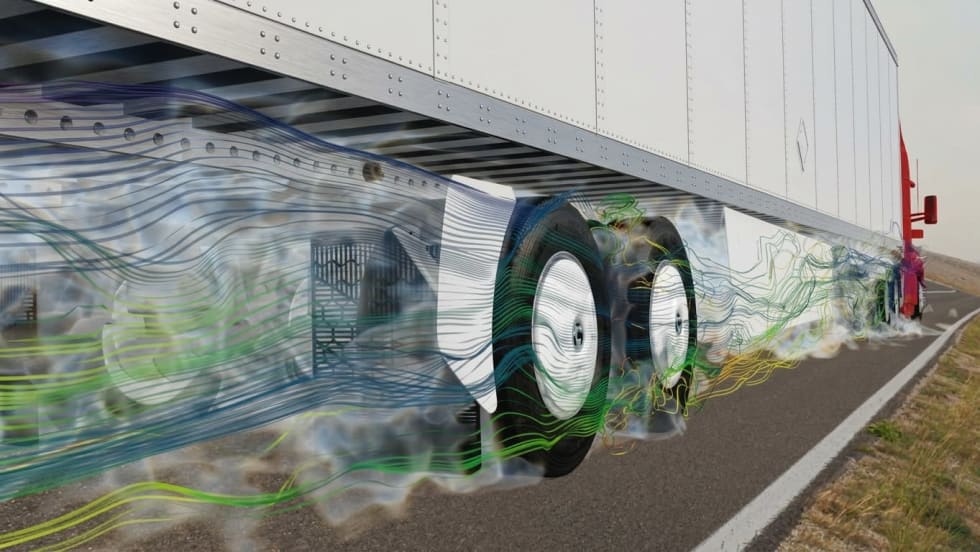
FlowBelow Redesigns Trailer AeroSlider to Cut Fuel Use
The lighter trailer aerodynamic system installs in less than 45 minutes, according to the company, with potential payback in under a year depending on fuel prices and trailer mileage.
Read More →
Why Diesel Price Relief Efforts May Fall Short
Diesel prices have eased from September’s record high, but doubts about additional Russian supply and limits on dyed-diesel tax relief mean trucking fleets still face expensive fuel. And prices could go higher.
Read More →
Why Small Fuel Savings Matter in Trucking
Can better fuel economy help pay for driver raises? In this podcast, GP Transco explains how small efficiency gains create room to reinvest in its people.
Read More →
How GP Transco Cuts Trucking Fuel Costs, a Tenth of a Gallon at a Time
What’s another tenth of a mile per gallon worth? GP Transco shares how equipment upgrades and driver coaching turn small gains into meaningful fuel savings.
Read More →
Electric Yard Tractors Move Beyond Pilots
Operating-cost savings have overtaken sustainability goals as the leading reason surveyed fleets are adopting battery-electric terminal tractors, according to new NACFE research.
Read More →
Geotab Links Fleet Card to Vehicle Data
The new card combines fuel discounts with telematics-based purchase controls. Geotab’s analysis also points to potential savings from choosing lower-priced fuel stops.
Read More →
Fleet Economics Shape Electric Truck Outlook
ACT Research expects costs, charging infrastructure, and technology improvements to drive zero-emission commercial vehicle adoption as federal regulations and incentives retreat.
Read More →
Wex Adds Cardless Fuel Payments for Over-the-Road Customers
A new fuel card feature for Wex customers offers convenience and security.
Read More →
New California Law Could Shed Light on Electric Truck Prices
Why do battery-electric Class 8 trucks remain so expensive? A California bill signed by Gov. Gavin Newsom would give fleets and state agencies more visibility into what manufacturers charge.
Read More →