




Winter Brings More Roadside Failures, Study Finds
A new report from the TMC/FleetNet America Vertical Benchmarking Program showed roadside failures rose 22% in first quarter of 2019 compared with the fourth quarter of 2018.

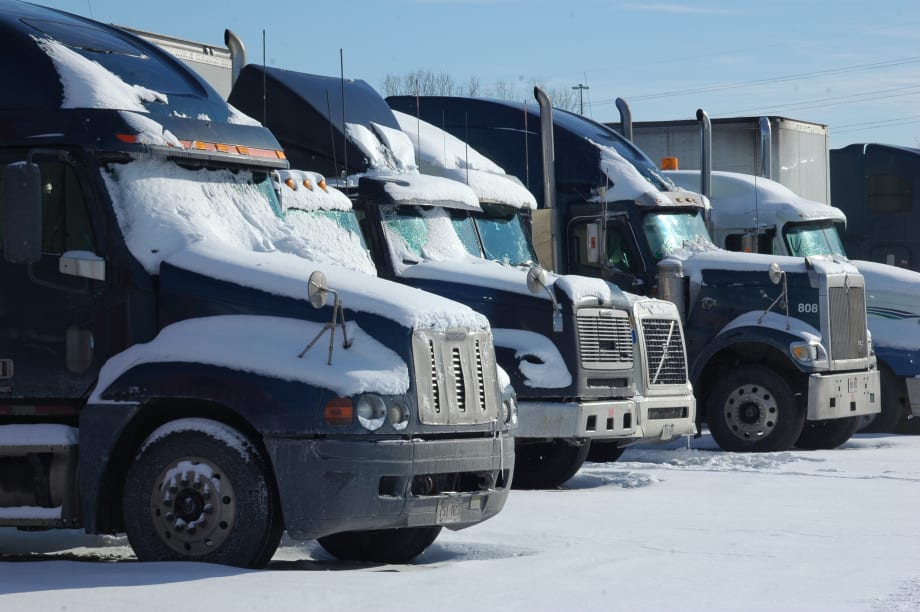
A new report, from the TMC/FleetNet America Vertical Benchmarking Program, found that roadside failures are more likely to hit fleets in harsh winter months.
Photo: Jim Park
There’s never a good time for a truck to go down. But a new survey conducted by the Technology & Maintenance Council of the American Trucking Associations found that when a truck does go down, it's more likely to be in the winter months than in other seasons.
On June 26 during its Fleet Data Management & Cybersecurity Conference, TMC released the results of the council’s first-quarter benchmarking survey with FleetNet America, an ArcBest company, showing a significant increase in roadside failures during the winter.
The report, from the TMC/FleetNet America Vertical Benchmarking Program, showed roadside failures rose 22% in first quarter of 2019 when compared with the fourth quarter of 2018, matching the quarterly rise from the previous two years. The increase in roadside failures was most pronounced in select systems, including exhaust and lighting systems.
“Fleets that use this data to guide their maintenance practices are going to be in a better position to reduce roadside repairs when next winter comes around,” said Jim Buell, executive vice president of sales and marketing for FleetNet America. “Knowing which systems are most vulnerable to cold weather and snow can guide maintenance practices next October and November.”
In addition, roadside mechanical repair costs increased for a third straight quarter, the report found. The average cost of a mechanical roadside repair reached $344 in the first quarter of 2019, 3% higher than the average mechanical repair in the fourth quarter of 2018, and 15% higher than the average cost in the third quarter of 2018.
“Completing repairs on the side of the road is already more expensive than completing the same repair in a shop,” said TMC Executive Director Robert Braswell. “TMC is committed to helping our members control these and all maintenance costs. We believe that the vertical benchmarking program is a tool that fleets can use to reduce unscheduled roadside repairs.”
The Vertical Benchmarking Program, announced during TMC's 2018 annual meeting, is a benefit for TMC fleet members and a partnership with FleetNet America. In addition to the executive summary, which is available to TMC fleet members, carriers that participate by sharing their data are provided an analytic tool that allows them to drill into their data, comparing it to the industry average.
The program is a strategic collaboration between TMC/ATA and FleetNet America and is open to TMC fleet executive level members and FleetNet America customers. The analytics provided via the program will be cumulative and non-fleet specific. For information, visit http://benchmarkit.fleetnetamerica.com.
More Maintenance
The Maintenance Checks Trucking Fleets Should Prioritize Before Fall Freight Picks Up
Making it through August isn’t the same as being ready for the next several months of operation. Find out what systems may have suffered from summer heat and need to be checked out before fall.
Read More →
What Three Fleets Are Doing Differently When Buying Truck Parts in 2026
With freight improving but costs still climbing, fleet maintenance executives explain how they're balancing price, quality, and supplier relationships.
Read More →
Paccar Recalls 2027 Trucks Built This Summer for Possible Electrical Problem
The nearly 6,000 Kenworth and Peterbilt trucks in the recall could potentially lose engine power, among other things.
Read More →
Will API PC-12 Oil Change Trucking Fleet Maintenance?
The new API PC-12 heavy-duty engine oil category reflects the changing demands of modern diesel engines. But fleets like Foodliner are looking to getting their own data before making decisions on adopting the new oils and questions such as extending oil drain intervals.
Read More →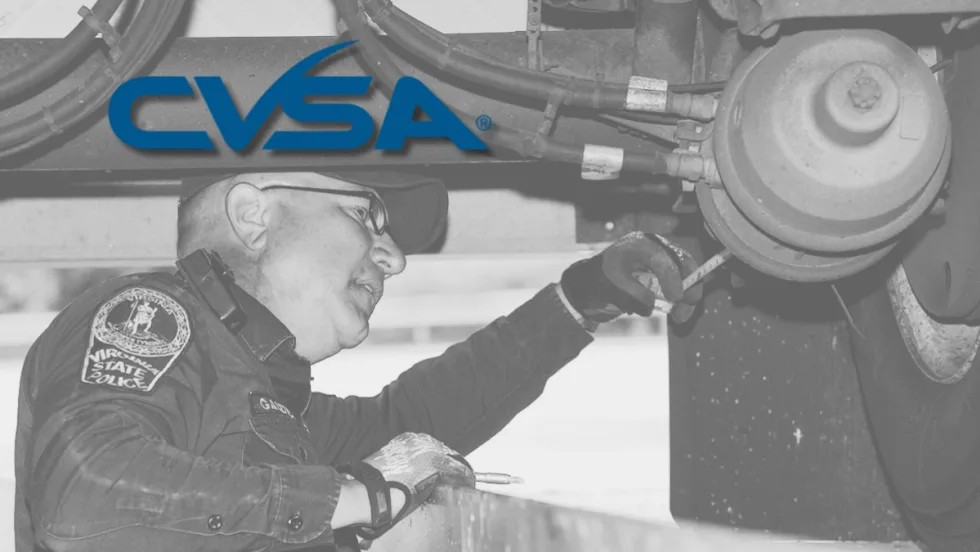
Brake Safety Week to Focus on Drums and Rotors
Commercial vehicle inspectors are focusing on truck brakes during CVSA's Brake Safety Week, August 23-29.
Read More →
Possible Battery-Cable Fires Prompt Recall of 15,000+ International MV and HV Trucks
On the recalled vehicles, manufacturing variations can cause the battery interconnect cable to contact the auxiliary stud and hold down the bracket.
Read More →
Rush, MCT Team Up to Grow Refrigeration Service Network
The joint venture will operate MCT's network of Carrier Transicold dealerships and mobile service locations, with the companies promising greater service capacity and uptime for refrigerated fleets.
Read More →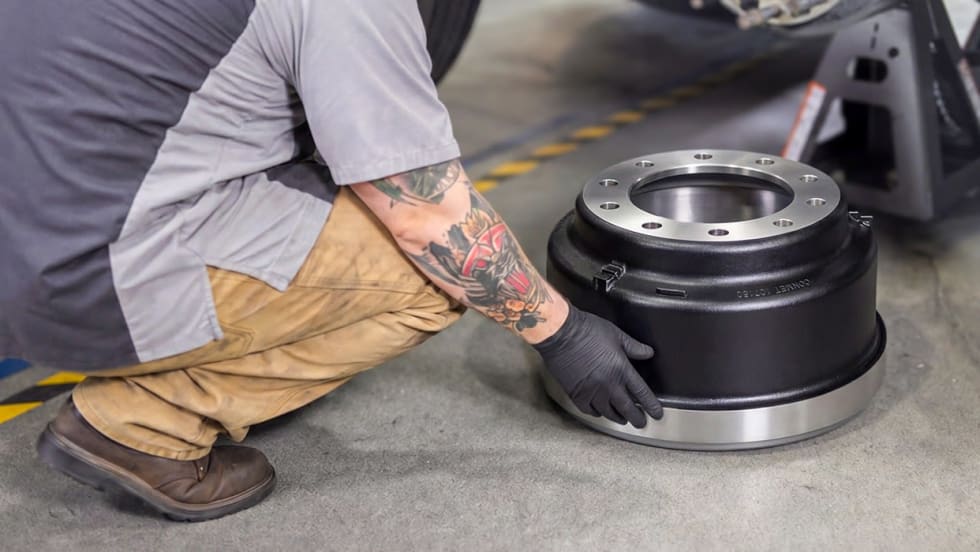
ConMet Expands Aftermarket Brake Drum Lineup With TruCast
A new heavy-duty truck brake drum option in the aftermarket gives customers more flexibility within the ConMet product family.
Read More →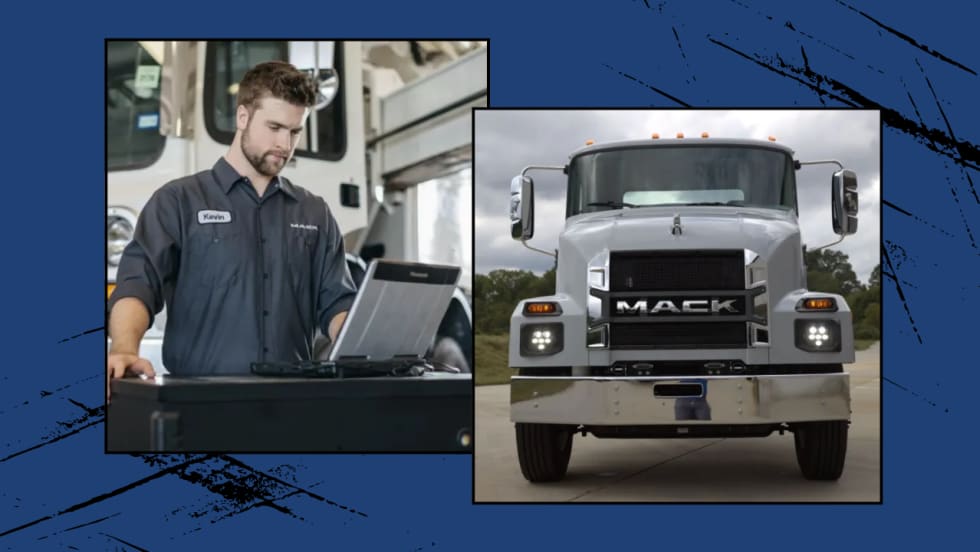
Mack Expands Premium Service Contract Coverage to Medium-Duty MD
With a service contract, inspections, preventive maintenance and repairs can be handled in a single visit instead of multiple ones.
Read More →
Maintenance in the Messy Middle Part 5: Battery-Electric Trucks
No oil changes. No diesel exhaust fluid. No exhaust aftertreatment. But NACFE battery-electric trucks still require specialized maintenance procedures.
Read More →