





A Different View: Low-Tech Trucks in a High-Tech World
The Allure of the High-Tech Shop
Technology is rapidly changing the industry, and media coverage of cool future-looking trends such as electric and autonomous trucks can only help improve the image of trucking among young people looking for a career.
January 23, 2019
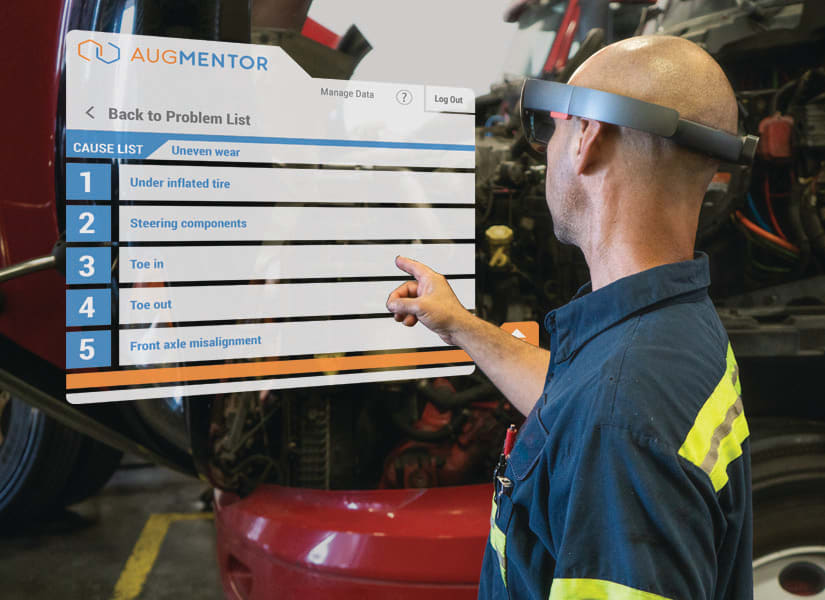
Augmented reality could become a training and even a diagnostic tool in the shop.
Photo: Design Interactive
4 min to read
Today’s truck technicians need to know about more than how to change tires, do a brake job, or replace engine injectors.
Taki Darakos, vice president of maintenance for Transervice, a New York-based supply chain solutions company, says he has learned how important it is to make sure technicians get training on the newest technology. For instance, one of its dedicated fleets was recently switching truck makes, and the new trucks had automated transmissions and advanced collision mitigation systems.
“We brought someone in to train the drivers, and we had our corporate technical trainer training the mechanics how to use the software, making sure everyone was knowledgeable from day one. The last thing you want to do is spend a lot of money on technology and you can’t get your full ROI because the technicians or drivers are frustrated.”
While this high-tech equipment may make the technician’s job more challenging, it also can make it more attractive to a younger generation.
As part of dispelling the myths around the career, the TechForce Foundation’s FutureTech Success campaign shows off the technology in shops that’s required to work on today’s vehicles, “which is really attractive to students and shows parents and educators it’s highly technical career,” says Travis Leybeck, director of strategic alliances at TechForce Foundation. “We do a lot of stuff with STEM [science, technology, engineering, and math] since that’s such a buzzword in education. We draw lots of connections between STEM and technician careers.”
The recent buzz in the general and consumer tech media about technology such as electric trucks and autonomous vehicles doesn’t hurt the effort to show how trucking is a high-tech field.
And technology isn’t just showing up on trucks. It’s being actively used to help technicians learn and do their jobs.
Penske, for instance, is now using a voice-directed preventive maintenance inspection process. The approach improves inspection and repair accuracy and consistency, Penske says, while eliminating paperwork and ensuring full documentation. “Providing technicians with a hands-free solution at the point of repair and removing repetitive handwriting and keying has made their jobs easier,” Mangione says. It taps a high-speed indoor and outdoor Wi-Fi network and uses rugged mobile tablet devices. The system provides voice prompts via a headset to direct technicians through the preventive maintenance inspection.
“It started with the fact that the truck itself is becoming more complex and we need to give our technicians better tools,” Mangione says. Penske technicians also have their own YouTube channel, with how-to videos for technician knowledge on demand. “There’s more and more of a range of things they need to work on, and they need that right at their fingertips.” He says. In the first quarter of 2019, a new guided repair solution will use artificial intelligence and the Penske knowledge base.
“We wouldn’t have needed any of those tools probably a decade ago.”
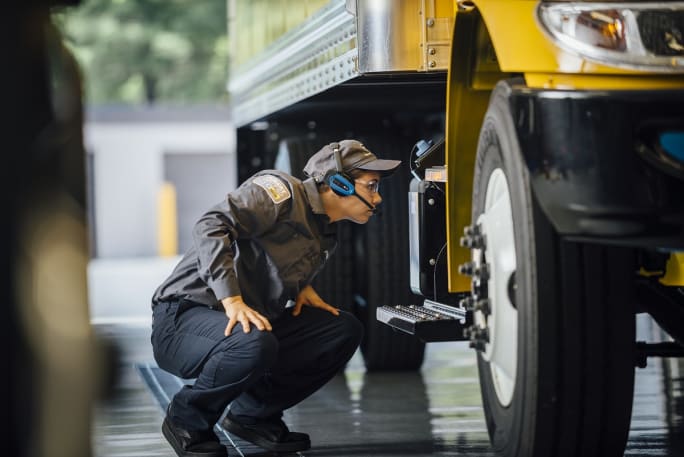
Penske’s voice-directed preventive maintenance inspections can be tailored to the specific vehicle’s age and specifications.
Photo: Penske Truck Leasing
In addition, a pilot program is evaluating augmented reality technology as part of truck maintenance operations.
Augmented reality is a technology that overlays a virtual object onto a real image or video. (Remember the Pokémon Go craze? That’s a type of AR.)
Unlike virtual reality, which immerses the user into another world, with augmented reality you still can see the real world, but augmented by virtual objects, explains Matt Johnston, director of commercial experience for Design Interactive, which is working with fleets to do pilot programs of its Augmentor AR technology for technicians. “So when I look at a real truck, I might see a floating virtual hologram of a brake, with step-by-step instructions. Each of those steps is virtually placed on the truck and allow the technician to walk through those procedures.” 3-D diagrams, PDFs, audio notes, video, can all be part of the experience.
Design Interactive is working with fleets, suppliers, and the American Trucking Associations’ Technology & Maintenance Council to evaluate the best uses of Augmentor, an augmented reality troubleshooting and training application that can guide a technician through a diagnostic or maintenance process. For instance, DI is working with TMC to turn the association’s tire conditions book into AR content.
“Say I want to train a technician on how to inspect tires for different types of wear,” Johnson says. “I can float a hologram of a tire that has an example of river wear or one-sided wear, and the person can make a determination of whether the real tire exhibits the same pattern.
For now, the program is available only through AR headsets, which, while they have come down in price, are still expensive enough that you’re not going to go around buying one for every technician. However, a smartphone-based version is on the way.
Expect more details to come out of TMC’s meeting in March.
Subscribe to Our Newsletter
More Maintenance

Shell Prepares Rotella Oils for 2027
New CL-4 and FB-4 formulations will begin arriving in early 2027, with improved protection against oil breakdown, wear and deposits, according to Shell.
Read More →
Mack Expands Extended Coverage With Four Chassis System Plans
Mack Trucks' new system-specific coverage options allow heavy-duty fleets to select protection for driveline, cab, HVAC, electronics, and advanced safety components.
Read More →
What an Out-of-Service Order Really Costs, and How to Plan for One
The repair invoice is the first number you see — and often one of the smallest. Here’s what else an out-of-service order can cost a fleet, and how planning can reduce the damage.
Read More →

International Launches Online Truck Parts Store
Fleetrite.com lets fleets and repair shops find OEM and all-makes parts, check prices and availability, and order without calling a parts counter.
Read More →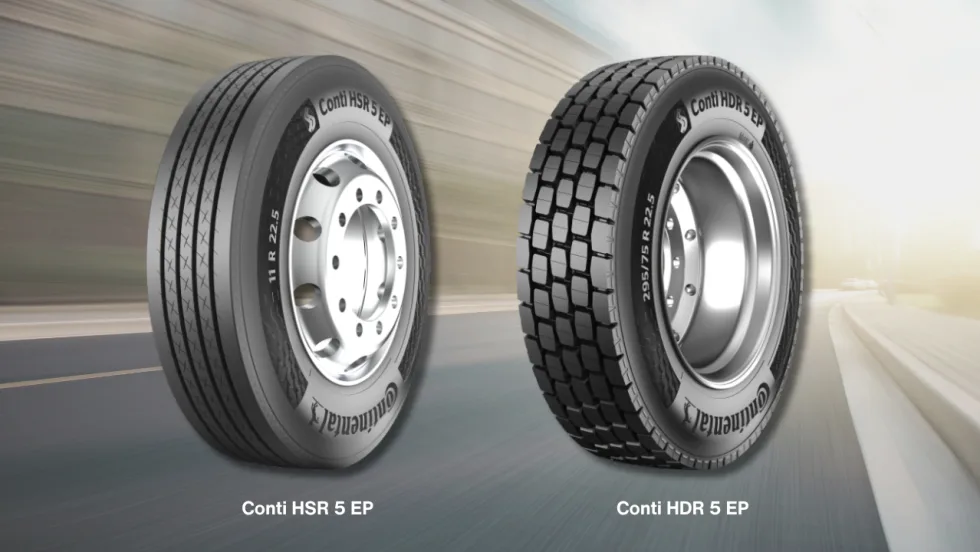
Continental Introduces New Regional Truck Tires
Continental says its new Generation 5 steer and drive tires for regional operations offer longer tread life, with estimated mileage gains of 22% and 19%, respectively.
Read More →
Sponsored•October 1, 2026
How AI Can Help Your Techs’ Efficiency
The technician shortage isn't going away, and no single fix can close the gap on its own. Trent Broberg makes the case that AI's real job in the shop is protecting the billable hours and job satisfaction of the techs you already have, not asking them to work faster.
Read More →
Wrong Repair Prompts Recall of Freightliner, Western Star 4x2 Trucks
DTNA is recalling more than 2,400 trucks that received an incompatible software fix instead of the hardware repair required to address brake valve corrosion.
Read More →
Truck Drivers Need More Than Another Alert
Fleets have more visibility into truck health, safety events, and driver activity than ever. The next challenge is turning all that information into useful guidance for the person who has to decide what to do next.
Read More →
The Maintenance Checks Trucking Fleets Should Prioritize Before Fall Freight Picks Up
Making it through August isn’t the same as being ready for the next several months of operation. Find out what systems may have suffered from summer heat and need to be checked out before fall.
Read More →
What Three Fleets Are Doing Differently When Buying Truck Parts in 2026
With freight improving but costs still climbing, fleet maintenance executives explain how they're balancing price, quality, and supplier relationships.
Read More →