




EPA Aims to Toss Away SmartWay
In his Passing Zone blog, HDT's David Cullen weighs in on an Environmental Protection Agency proposal to eliminate the agency's voluntary fuel-saving SmartWay program as part of budget cuts under the Trump administration.

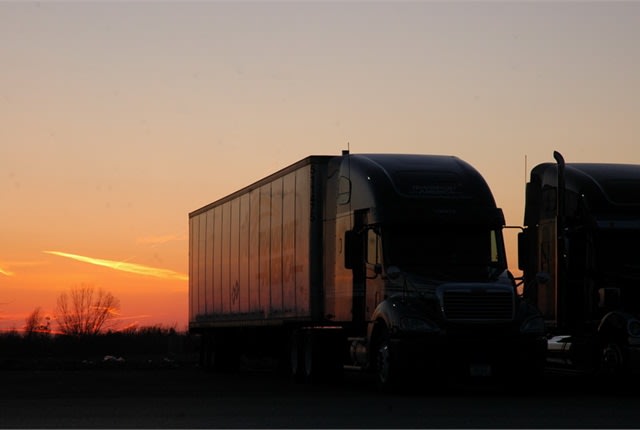
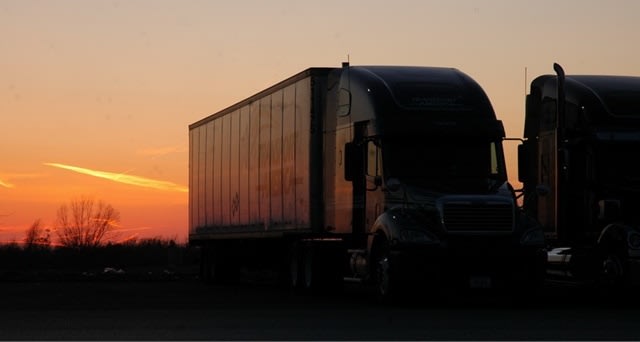
Talk about throwing the proverbial baby out with the equally proverbial, albeit dirtier, bath water.
The slash-and-burn budget proposal being teed up for EPA Administrator Scott Pruitt to bring the Environmental Protection Agency to heel calls for ditching a program that has been successfully leveraged by many truck fleets to save fuel for years — SmartWay.
Yes, SmartWay is on the block. Yes, that voluntary government-industry partnership aimed at reducing the carbon footprint of trucking operations and at accelerating the "availability, adoption and market penetration of fuel-saving technologies and operational practices” for truck fleets. Yes, the-- and here I repeat a key word: "voluntary"-- program that EPA itself has credited with cutting fuel costs by nearly $25 billion since it was launched — which was only in 2004.
Image: U.S. EPA
SmartWay is just one of many programs, large and small, marked for elimination in a “spending plan” drawn up by the agency that “offers the most detailed vision to date of how the 31% budget cut to the EPA ordered up by President Trump’s Office of Management and Budget would diminish the agency,” as The Washington Post put it in a March 31 story that broke the news of the budget draft.
The plan for “base budget adjustments” is attached to an internal memo penned by EPA Acting Chief Financial Officer David Bloom that is directed to most of the agency’s top officials, including the acting general counsel and the acting assistant administrators.
SmartWay is listed in the document as one of 14 “voluntary partnership programs” that EPA wants to do away with simply because the agency claims doing so would help “the effort to better target and prioritize activities related to [EPA’s] core environmental statutory requirements.”
In other words, SmartWay is not threatened with being axed because it did not do what it was supposed to do — help truck fleets save money by burning less fuel (and, yes, producing fewer greenhouse gas emissions at the same time), which it has been magnificently successful at doing.
To make sure I'm not looking at SmartWay through overly rosy glasses, I asked Mike Roeth, executive director of the North American Council for Freight Efficiency, for his take on the voluntary program’s impact.
“I do think SmartWay provides a good service to the industry as a verification effort for technologies, primarily tires and aerodynamics,” Roeth told me. “It is a voluntary arm of the EPA that has been very engaged with the industry.”
He did allow that because SmartWay verifies fuel economy benefits, “sometimes that is confused with total cost of ownership of technologies. Fleets, and here is where NACFE comes in, must use the fuel-efficiency gains and look at up-front cost, other benefits and challenges as well as reselling effects to understand the total payback.” Roeth added that SmartWay verification is “also woven into the California Truck and Bus rule and somewhat into the EPA and NHTSA GHG rules.”
Roeth’s take on the program just confirms my view that SmartWay is under the gun simply because its reason for being just doesn’t fit into the narrow confines of what President Trump’s political appointee EPA Administrator Scott Pruitt sees as the limited mission of EPA: Ensuring only that statutory requirements regarding the environment are met.
Of course, environmental activists are already waging war against EPA over its proposed budget. The essence of their argument is how do you separate efforts to protect the environment — the air we breathe and the water we drink, above all — and efforts to stave off climate change?
That’s a fair argument. And it sets up a bitter battle for when Trump’s budget finally comes up for consideration by Congress.
What remains to be seen for trucking is whether the industry — fleets and suppliers alike — will band together to lobby Administrator Pruitt to not toss the voluntary SmartWay program away along with those programs his agency regards as nothing more than a drag on American business.
Failing that, trucking's lobbying to save SmartWay will have to move on up to Capitol Hill — where a president's proposed budget more often than not meet its own ax.
More Blog Posts
Congress Dancing on the Ceiling. Again.
It’s time once more on Capitol Hill to battle over the debt ceiling, rather than conduct the nation’s urgent business, says HDT Business/Washington Contributing Editor David Cullen.
Read More →
Infrastructure on Capitol Hill: On Two Tracks to Somewhere
It’s likely an infrastructure bill will pass. But how big it will be, and who will pay for it, rides on lots of politicking.
Read More →
Gaming Out The Biden Infrastructure Proposal on Capitol Hill
The Biden Administration's American Jobs Act, the core of which is infrastructure funding, is on a long road to becoming law – replete with more twists and turns than a mountain highway.
Read More →
4 Ways Washington May Change Trucking Laws and Regulations
As the balance of power in Washington has shifted, trucking likely will see changes in laws and regulations. But how that happens isn't just like the Schoolhouse Rock version of "I'm Just a Bill."
Read More →
Regulatory Outlook 2020: Keep an Eye on Hours of Service
What's in store for trucking from the regulators in Washington, D.C., this year? Executive Editor David Cullen says the government wheels move slowly, but hours-of-service is among those to watch in 2020.
Read More →
Logistics Ain't What it Used to Be
You can no longer expect to run a motor carrier of any size without at least a glancing appreciation for the impact logistics— in one way or another-- has on every link in the supply chain.
Read More →
Will Dustup over Cleanup of Car Emissions Gut Truck GHG Rules?
What does Trump's revocation of California's vehicle emission waiver mean for the federal Phase 2 GHG emission rules already in place for commercial vehicles? Commentary by Executive Editor David Cullen.
Read More →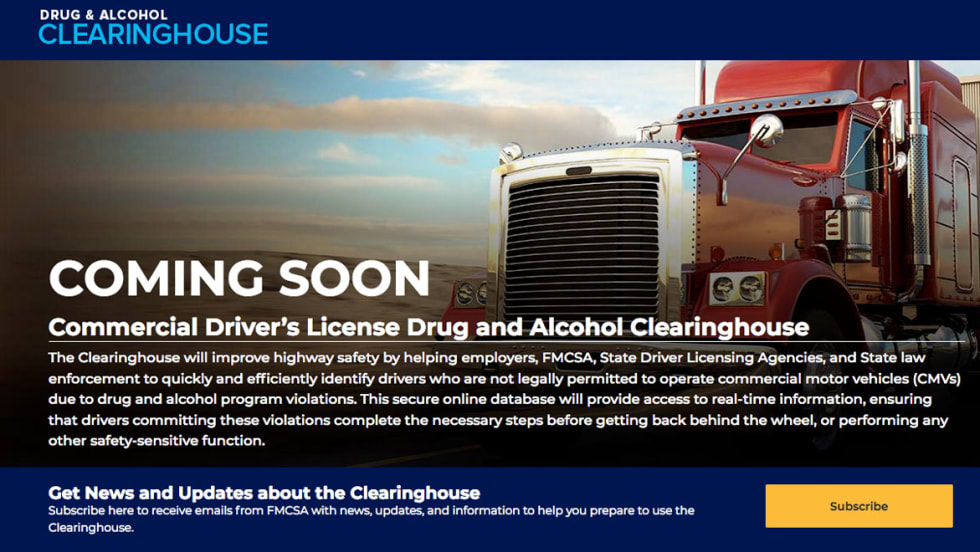
Some Sober Advice on the Drug & Alcohol Clearinghouse
The Federal Motor Carrier Safety Administration's prep work for the Drug & Alcohol Clearinghouse includes amassing an impressive amount of informational guidance online that can be accessed at a dedicated website. Commentary by Executive Editor David Cullen.
Read More →
Here's to Our Winners
The managers, executives, and owners of truck operations who are honored each year by Heavy Duty Trucking with our Truck Fleet Innovator awards so often seem to be moving at a fast clip in how they think about things. Blog Commentary by Executive Editor David Cullen.
Read More →
ATA Takes Madison Avenue to Pitch Highway Funding on Capitol Hill
A new advertising and grassroots campaign by ATA might just sell Congress on fixing our roads. Commentary by David Cullen, Executive Editor.
Read More →