




How to Spec for Fuel Efficiency
You can't rightly expect a driver to do all the heavy lifting when it comes to fuel economy. It takes a huge amount of discipline to stay on top of the driving, but given the right tools, even a mediocre driver will do reasonably well

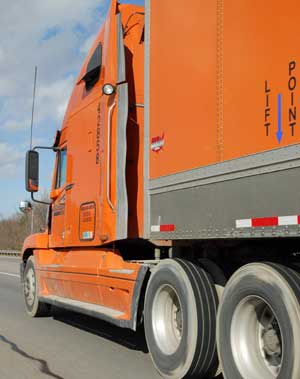
Schneider National does a lot of evaluating before including a component as part of a fuel-efficiency spec.
You can't rightly expect a driver to do all the heavy lifting when it comes to fuel economy. It takes a huge amount of discipline to stay on top of the driving, but given the right tools, even a mediocre driver will do reasonably well.
In February, during the annual meeting of the American Trucking Associations' Technology & Maintenance Council, Steve Duley, vice president of purchasing at Schneider National, shared some of that company's fuel conservation strategies.
To a fleet with 10,000 company-owned power units and 13,000 drivers, fuel costs are second only to safety. Duley told attendees that the 2002 to 2010 emissions cycles cost the fleet dearly in fuel economy.
"Going into the first round of emissions reductions in late 2002, we were averaging the best fuel economy we had ever seen," Duley said. "Between then and 2010, we dropped about 5%, but we have that back now with the 2010-generation engines, and we're pretty happy about that."
Duley explained that historically, Schneider's cost portfolio per power unit has run about 60/40, with cost of ownership and maintenance accounting for about 40% of the trucks' lifecycle costs and fuel accounting for 60%. Today, he says, it's about 80/20."Fuel costs have always been the critical factor for tractor specs and supplier selection decisions," he says. "While emissions changes drove rapid acceleration in equipment ownership and maintenance costs, increases in fuel prices have made the fuel impact even more significant."
Schneider is constantly testing and evaluating emerging fuel-saving technologies and won't spend a dime on stuff that doesn't produce a return. Some of the returns are small indeed - less than 1% - but even in those cases there's some positive impact.
In addition to the obvious things, here's some of what Schneider has settled on as proven fuel-saving specs:
- 13-liter engines
- Smaller cab, shorter BBC
- Aluminum wheels, components, frame
- Reduced fuel / DEF capacity
- Tag axles with traction control
- Fixed fifth wheel to minimize trailer gap
- Horizontal exhaust
- Fuel-efficient tires
- Aerodynamic wheel covers
- Aerodynamic mirrors
Schneider also uses engine electronics to limit road speed to 60 mph (down recently from 63 mph), and it limits nonessential idling.
Emerging technologies currently or soon to be evaluated include:
- Side skirts on van trailers
- Additional electric auxiliary cooling units
- Predictive cruise control
- Tire inflation/monitoring
systems
- Trailer skirts, tails
- Driveline parasitic losses/
vehicle electrification
- 5W30, 10W30, synthetic engine lubes
- Lower axle ratios and integrated drivetrain for lower engine speeds
From the June 2012 issue of HDT
More Fuel Smarts
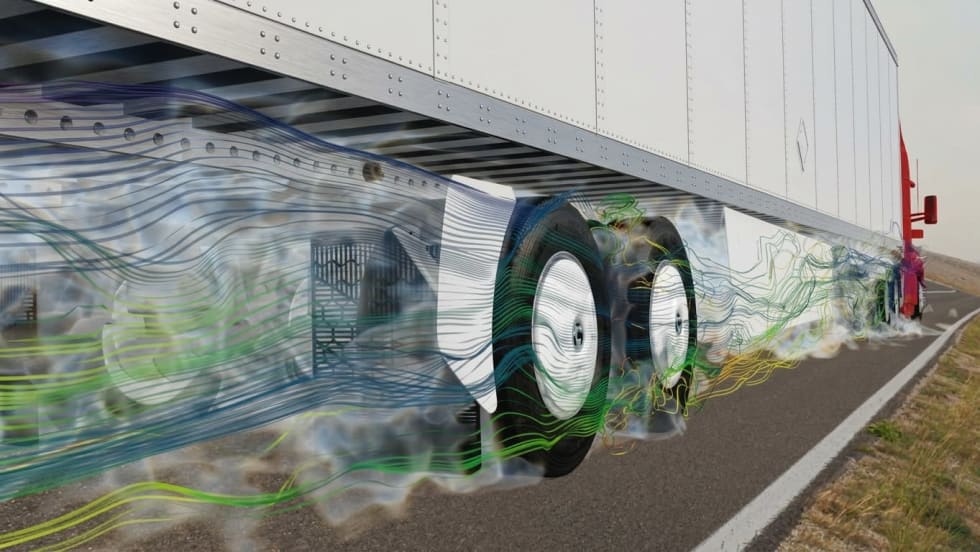
FlowBelow Redesigns Trailer AeroSlider to Cut Fuel Use
The lighter trailer aerodynamic system installs in less than 45 minutes, according to the company, with potential payback in under a year depending on fuel prices and trailer mileage.
Read More →
Why Diesel Price Relief Efforts May Fall Short
Diesel prices have eased from September’s record high, but doubts about additional Russian supply and limits on dyed-diesel tax relief mean trucking fleets still face expensive fuel. And prices could go higher.
Read More →
Why Small Fuel Savings Matter in Trucking
Can better fuel economy help pay for driver raises? In this podcast, GP Transco explains how small efficiency gains create room to reinvest in its people.
Read More →
How GP Transco Cuts Trucking Fuel Costs, a Tenth of a Gallon at a Time
What’s another tenth of a mile per gallon worth? GP Transco shares how equipment upgrades and driver coaching turn small gains into meaningful fuel savings.
Read More →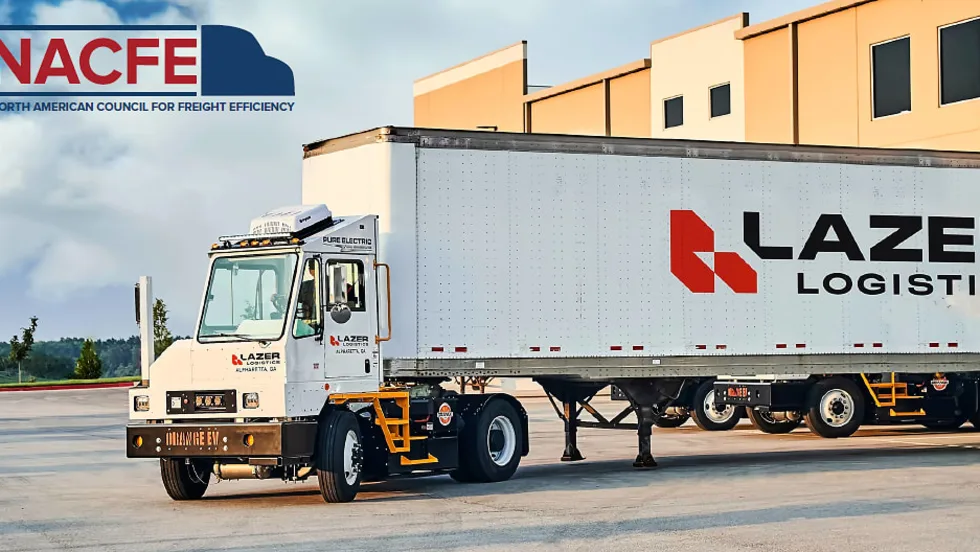
Electric Yard Tractors Move Beyond Pilots
Operating-cost savings have overtaken sustainability goals as the leading reason surveyed fleets are adopting battery-electric terminal tractors, according to new NACFE research.
Read More →
Geotab Links Fleet Card to Vehicle Data
The new card combines fuel discounts with telematics-based purchase controls. Geotab’s analysis also points to potential savings from choosing lower-priced fuel stops.
Read More →
Fleet Economics Shape Electric Truck Outlook
ACT Research expects costs, charging infrastructure, and technology improvements to drive zero-emission commercial vehicle adoption as federal regulations and incentives retreat.
Read More →
Wex Adds Cardless Fuel Payments for Over-the-Road Customers
A new fuel card feature for Wex customers offers convenience and security.
Read More →
New California Law Could Shed Light on Electric Truck Prices
Why do battery-electric Class 8 trucks remain so expensive? A California bill signed by Gov. Gavin Newsom would give fleets and state agencies more visibility into what manufacturers charge.
Read More →
How Volvo Updated Its D13 for EPA 2027 [Watch]
Volvo’s updated D13 promises lower emissions without sacrificing performance or fuel economy. Take a closer look at what changed inside the engine in this HDT Spotlight video.
Read More →