




This month, Heavy Duty Trucking's 2010 Truck Fleet Innovators offer their viewpoints on and experiences with electronic logs.
Ben Bauman, President and CEO, Bolt Express:
Bauman is all for the new federal rule mandating electronic onboard recorders for serious violators. "I'm a big believer in safety." For those that run their companies in an unsafe way and make the roads an unsafe place to be, "I think it's something that should be done."
Before installing electronic logging technology in all its trucks, Bolt Express tested the technology in five units over a three-month period. Bauman says the testing period gave the company an opportunity to not only get drivers trained on the system, but also to look at the benefits of the system from an internal operations standpoint.
At the beginning, however, Bolt executives were afraid of losing drivers and were concerned about how drivers would perceive the new logging system, which runs on Qualcomm's platform. But once drivers were trained and started using it, they liked it, Bauman says. While about one driver out of the last 30 or 40 didn't like the system, the majority are relieved that they don't have to do paper logs anymore, he adds.
Bolt found that by using the electronic logging technology, the company was able to reduce the number of non-compliant hours of service and slash the amount of paperwork both for drivers and administrative staff. In addition, dispatchers have a more accurate way to gauge drivers' availability.
Jim Burg, President and CEO, James Burg Trucking:
Burg believes it's important to invest in safety, and that if you run a safe operation, you will have fewer expenses, fewer claims, fewer accidents. His fleet is already equipped with roll stability and lane departure warning technologies and video event recorders.
But as a small flatbed fleet hit hard by the downturn, Burg says any money he invests in safety technology in the near future is going to go for something with proven safety benefits, such as forward-looking collision avoidance systems. He's not entirely sold on the idea that electronic onboard recorders will automatically cut crash rates. He's looked at FMCSA crash data. "People actually falling asleep at the wheel are a small fraction of the crash rate," he says.
"Before I would support their overall use, in my fleet or in the industry, I would like to see the data that supports the increase in safety. I think they certainly would improve compliance; I'm just not convinced, because I haven't seen the data, that EOBRs will improve safety."
While he says he can see the argument for productivity benefits of allowing dispatchers and drivers to be on the same page as far as hours of service compliance, in his small fleet of about 75 trucks, which is largely in-state and regional, it's not a big issue.
Doug Duncan, President and CEO (retired), FedEx Freight:
Duncan has been a great supporter of electronic logs over the years, as a way to boost efficiency among the fleet and to enhance safety on our nation's highways. While Duncan no longer serves with FedEx Freight, the company is currently implementing electronic on-board recorders in all its tractors. The EOBRs are operated through an on-board computer the company designed itself, and the technology will be part of a larger communication system.
Electronic logs can drive efficiency, as they create a paperless, online environment, Duncan says. Drivers can take care of all of their transactions from this one onboard computer.
"This [technology] is the 21st century from a technology standpoint."
EOBRs are also very important from a safety standpoint, as hours of service enforcement is key to safety, Duncan says. "The rules are supposed to be followed."
Duncan says the technology also puts everyone on the same playing field, and makes enforcement much easier. "It's a very positive thing all the way around."
Jim Mickey, Co-owner and President, Coastal Pacific Xpress:
Mickey has called the whole system of paper logs an industry-wide problem and "a bit of a farce. "You have to assume everyone is not honest and use outside auditors to ensure everyone is in compliance," he says.
That's why when Canada changed their hours of service rules a few years ago, CPX went to electronic logs at the same time.
"I'm a very large supporter of on board recording devices. All our trucks have them."
To help shippers understand the impact of the new regulations, they produced a DVD. "We chose to follow the law, and we felt it was incumbent on us to educate the shipping world we serve as to why it was going to get more expensive," he says. "To tell you the truth, the answer from many was, 'We don't care; there are plenty of guys who will keep doing it the way they've always done.'" He says using electronic logs to ensure his drivers complied with the hours of service regulations, despite this attitude from customers, was drawing "a line in the sand."
Mickey would like to see across-the-board mandatory electronic logs. "If the industry goes to mandatory EOBRs, nobody loses, we all gain. To hear all these guys gnashing their teeth they're missing the big picture."
Tom Voelkel, President and Chief Operating Officer, Dupre Logistics:
Dupre began testing electronic logs in January of 2006 and implemented throughout its entire fleet in the summer of 2007. "The benefit most commonly reported by our drivers is the ease of using the system," says Voelkel. "Our professional drivers are happier because it allows them to focus on their driving without the many complications and wasted time of having to keep a paper log."
The company uses Qualcomm's Mobile Computing Platform 100 Series to power its hours of service logging. Voelkel says the GPS system and the computer in the truck take care of the complexities of logging. The data captured in the truck is automatically transmitted via satellite to the Dupre central computer system, where the data is audited for compliance with federal regulations and fed into a variety of management applications such as payroll, fuel tax reporting, activity-based costing systems and the Dupre predictive analytics system for safety, which is powered by Fleet Risk Advisors.
"We believe that all tractors operating on the nations highways should have EOBRs. It would make for safer operations for the drivers, the trucking companies and the motoring public."
From the May 2010 issue of Heavy Duty Trucking.
2010 Truck Fleet Innovators on E-Logs: A New Era
This month, Heavy Duty Trucking's 2010 Truck Fleet Innovators offer their viewpoints on and experiences with electronic logs.
More Fleet Management

DTNA Partners with Class8 to Expand Digital Services for Freightliner Owner-Operators
A new partnership brings free wireless ELD service plus load optimization and dispatch planning tools to fourth- and fifth-generation Freightliner Cascadia customers, with broader model availability planned through 2026.
Read More →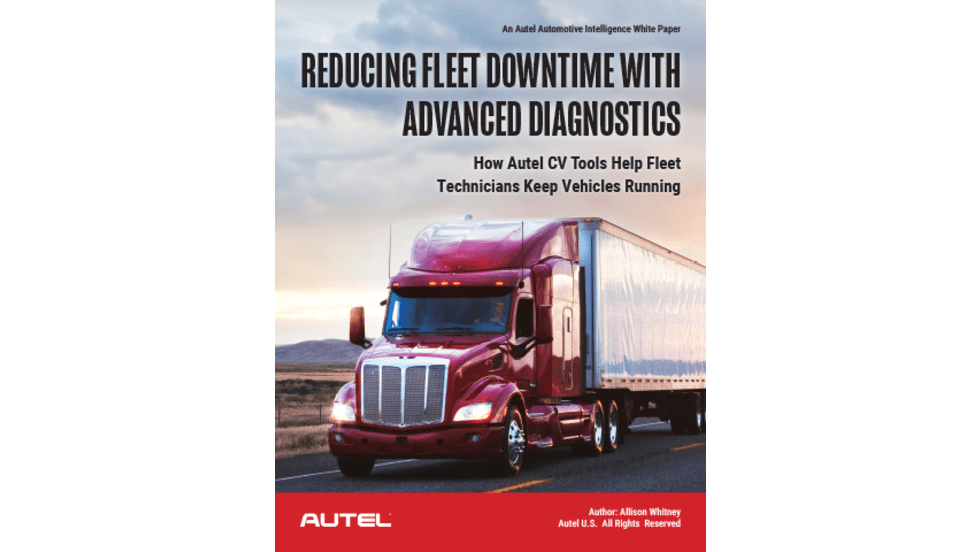
Reducing Fleet Downtime with Advanced Diagnostics
This white paper examines how advanced commercial vehicle diagnostics can significantly reduce fleet downtime as heavy duty vehicles become more complex. It shows how Autel’s CV diagnostic tools enable in-house troubleshooting, preventive maintenance, and faster repairs, helping fleets cut emissions-related downtime, reduce dealer dependence, and improve overall vehicle uptime and operating costs.
Read More →
Stop Watching Footage, Start Driving Results
6 intelligent dashcam tactics to improve safety and boost ROI
Read More →
Werner Expands Dedicated Fleet Nearly 50% With FirstFleet Acquisition
The $283 million acquisition of FirstFleet makes Werner the fifth-largest dedicated carrier and pushes more than half of its revenue into contract freight.
Read More →
Bobit Business Media Launches B2X Rewards Engagement Program
B2X Rewards is a new, gamified rewards program aimed at driving deeper engagement across BBM’s digital platforms, newsletters, events, and TheFleetSource.com.
Read More →
AI is Reshaping Trucking in 2026, from the Back Office to the Shop
Trucking’s biggest technology shifts in 2026 have one thing in common: artificial intelligence.
Read More →
Why Small Trucking Fleets Are Still Standing [Commentary]
Why discipline, relationships, and focus have mattered more than size for smaller trucking fleets during the freight recession.
Read More →
Cargo Theft Is Surging. A Bill in Congress Could Help. [Video]
Cargo theft losses hit $725 million last year. In this HDT Talks Trucking Short Take video, Scott Cornell explains how a bill moving in Congress could bring federal tracking, enforcement, and prosecutions to help address the problem.
Read More →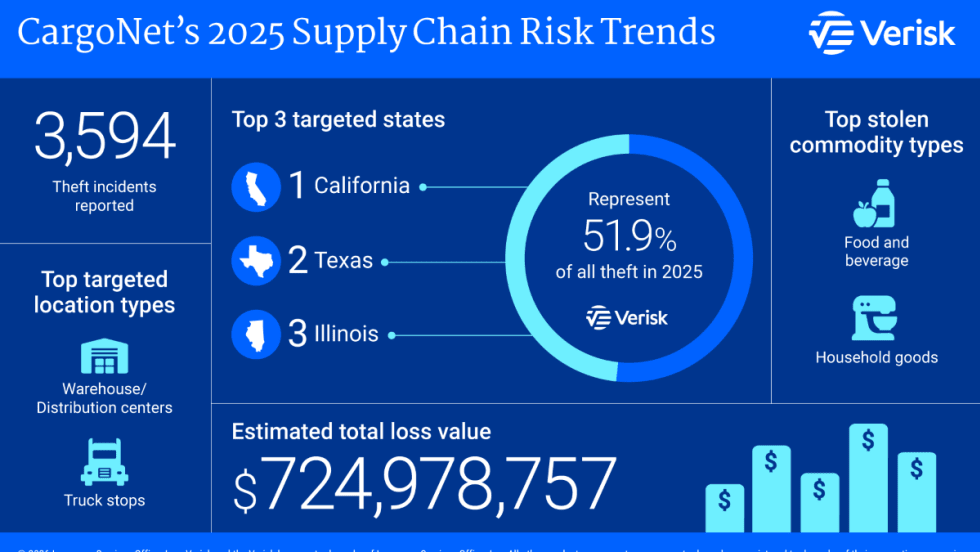
Cargo Theft Losses Jump 60% in 2025 as Criminals Target Higher-Value Freight
Cargo theft activity across North America held relatively steady in 2025 — but the financial damage did not, as ever-more-sophisticated organized criminal groups shifted their cargo theft focus to higher-value shipments.
Read More →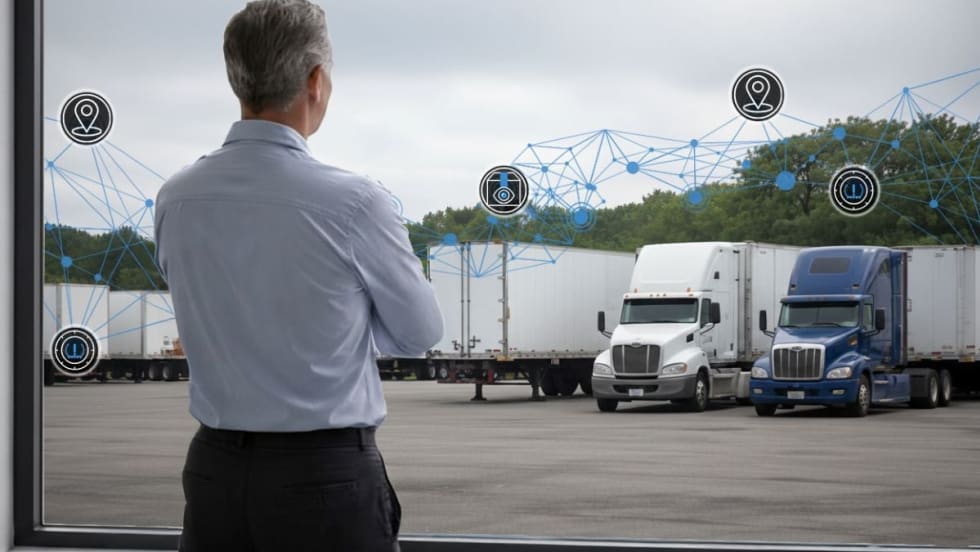
Phillips Connect, McLeod Integrate Smart Trailer Data into TMS Workflows
A new partnership between Phillips Connect and McLeod allows fleets to view trailer health, location, and cargo status inside the same McLeod workflows used for planning, dispatch, and execution.
Read More →