





Related: ELD Mandate Finally Arrives, to Growing Pains and Praise
FMCSA Looking at How it Defines Personal Conveyance
The Federal Motor Carrier Safety Administration is proposing to revise its regulatory guidance on commercial-vehicle drivers legally using trucks as “personal conveyance” while off duty.
December 19, 2017
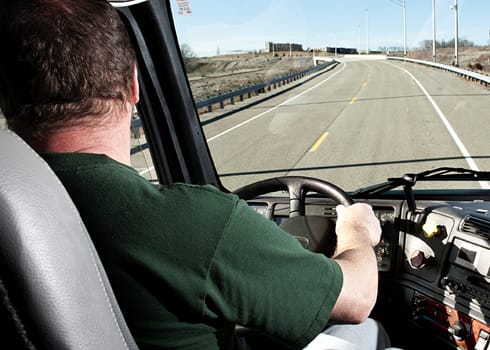
Photo: Virginia Tech Transportation Institute
3 min to read

Photo: Virginia Tech Transportation Institute
With the electronic log rule now in effect, the Federal Motor Carrier Safety Administration is considering revising a much older but related regulation. Per an announcement published in the Federal Register for Dec. 19, the agency is proposing to revise its regulatory guidance on commercial-vehicle drivers legally using trucks as “personal conveyance” while off duty.
FMCSA noted it is seeking public comment on this guidance and its economic impact for a 30-day period ending on Jan. 18.
At this point, the agency said it is considering only a narrow change in its guidance on personal conveyance. FMCSA stated it now wants to “focus on the reason the driver is operating a CMV while off duty, without regard to whether the CMV is or is not laden.”
FMSCA said the original personal conveyance guidance — unchanged since 1997-- required the truck to be "unladen" and was written with combination vehicles in mind, “where the driver could readily detach the trailer and use the unladen tractor for personal conveyance.”
The agency now contends that 20-year-old interpretation “had the inadvertent effect of not allowing drivers of single-unit work trucks that carry loads, as well as tools of [the] trade and related materials, on the power unit to document this off-duty time on the RODS.”
For such drivers, it notes, “these loads, tools, and other equipment cannot reasonably be offloaded, left unattended, and reloaded after the power unit has been used for personal conveyance.”
FMCSA stated that this proposed revision would simply “eliminate the requirement that the CMV be unladen and thus the disparate impact created by the previous guidance.”
The issue of personal conveyance has been the source of quite a few questions under the new electronic logging device mandate, since those miles will now be recorded. Carriers are advised to have a policy in place regarding personal conveyance, train drivers on it, and document it.
Comments on the proposed changes, bearing Docket ID FMCSA-2017-0108 may be submitted via any of the following methods:
Federal eRulemaking Portal. Go to www.regulations.gov. Follow the online instructions for submitting comments
Mail. Docket Management Facility; U.S. Department of Transportation, 1200 New Jersey Avenue SE, West Building Ground Floor, Room W12-140, Washington, DC 20590-0001
Hand Delivery or Courier. West Building Ground Floor, Room W12-140, 1200 New Jersey Avenue SE, Washington, DC, between 9 a.m. and 5 p.m., ET, Monday through Friday, except Federal Holidays
Fax. 1-202-493-2251
The agency also noted that as part of the ELD rule now in effect, ELD manufacturers are required to include a special driving category for personal conveyance. “This may be used at the motor carrier's discretion, based on their operations,” stated FMCSA. “In addition, motor carriers may grant drivers authority to operate a CMV under personal conveyance without preconfiguring the ELD with the personal conveyance special driving category.”
More Drivers

New Independent Contractor Rule Gives Trucking More Clarity
The Labor Department is once again changing how it determines who's an independent contractor. This time, the rule includes specific examples addressing trucking safety requirements, CDLs, and lease-purchase agreements.

Sponsored•November 18, 2026
Catching Driver Fatigue is One Thing. What You Do Next Matters Just as Much
Fleets are getting better at detecting driver drowsiness. Few have figured out what should happen next, and that gap is where the real risk still lives.
133 ELDs Revoked as ATA Pushes Certification Reform
FMCSA just removed a record number of electronic logging devices from its registry. ATA says it's time to rethink how ELDs get approved in the first place.

CVSA Sets 2027 International Roadcheck Dates
The annual 72-hour truck inspection blitz will take place May 11–13 across North America. Here's what fleets can expect and what inspectors found during the 2026 event.

FDA Eases Path for Oral-Fluid Testing
Federal actions could advance oral-fluid drug testing for truck drivers, but lab certification delays and marijuana rescheduling questions remain.

Why Hiring Truck Drivers Is Getting Harder
Higher recruiting costs, a shrinking driver pool, and renewed pay competition are raising the stakes for fleets heading into 2027.
Roehl Offers Truck Drivers $10,000 Retention Incentive
Payments begin after the first load and continue in mileage-based installments for eligible experienced drivers joining the fleet.
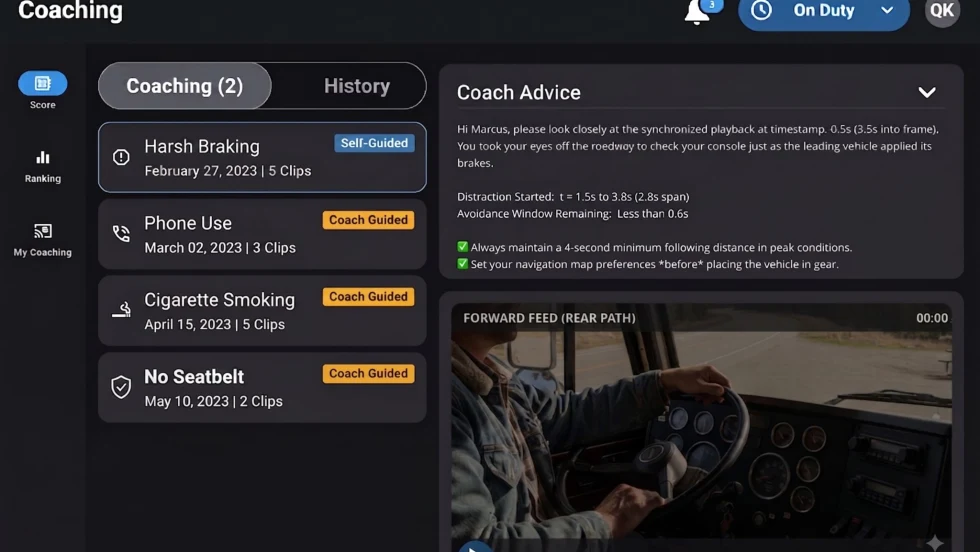
Platform Science Adds Dispatch and Safety Tools
Four additions to PS Fleet help fleets monitor loads, manage driver coaching, share truck locations and adjust video system settings.
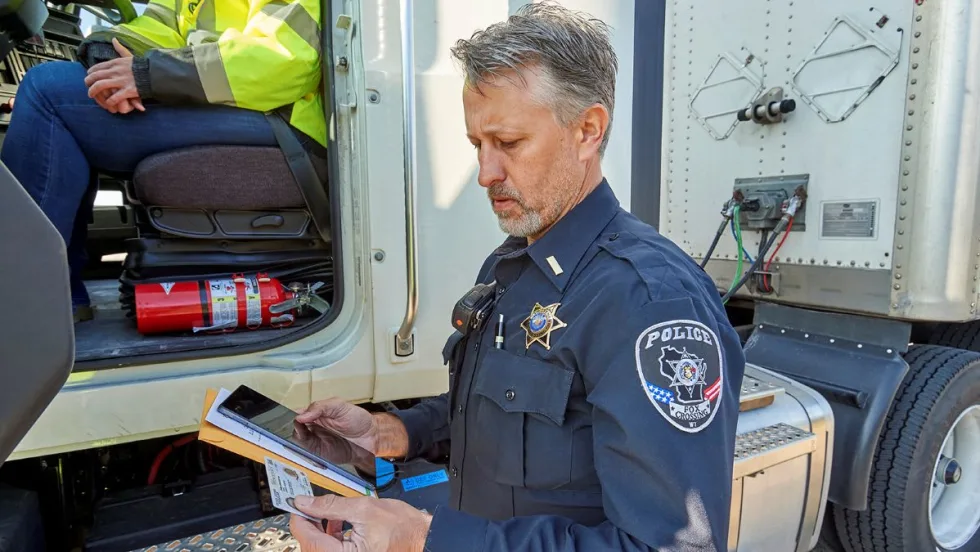
When Language Stops the Truck: The Return of ELP Out-of-Service Orders
English language proficiency rules for commercial drivers aren’t new, but renewed out-of-service enforcement has raised the stakes. Here’s what carriers need to know before a driver reaches a roadside inspection.

Samsara Launches Custom AI Agent Builder
Agent Studio lets fleets create AI tools for hours-of-service monitoring, reporting and driver support, including agents that communicate by phone.