Covenant Pay Package Includes Guarantee for HazMat OTR Drivers
Covenant Transport announced a new pay package for the company’s hazardous materials over-the-road drivers that includes per-week minimum pay.
by Staff
June 8, 2015
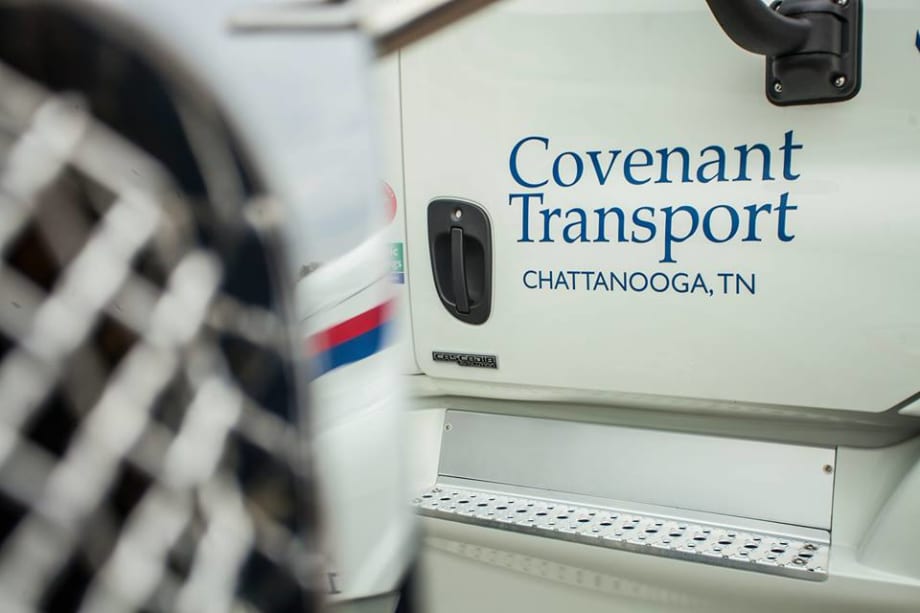
Photo via Covenant Transport
2 min to read
Photo via Covenant Transport
Covenant Transport announced a new pay package for the company’s hazardous materials over-the-road drivers that includes per-week minimum pay.
Hazmat drivers for the Tennessee-based carrier with the requisite experience will be guaranteed $1,000 per week. Hazmat drivers typically earn $1,200 to $1,300 per week, according to Covenant, but the minimum guarantee gives drivers a more consistent income even during slow weeks. Drivers with less than a year of experience will be guaranteed $850 per week.
Ad Loading...
The pay package went into effect on June 1 and will affect the more than 1,000 hazmat OTR drivers the company employs.
“We’ve been working for the past year to make sure everything is in place to guarantee our hazmat OTR team drivers a minimum of $1,000 per week each and every week,” said Rob Hatchett, vice president of recruiting for Covenant. “We are so confident in the freight network we have that has allowed us to offer such a generous guarantee to such a large number of drivers.”
The pay package also includes guaranteed home time, company paid hazmat endorsement and an improvement in earned home time to two days earned for every 12 worked. Covenant's guaranteed home-time policy also pays drivers $100 for each day they are late for scheduled home time.
Starting pay for new professional trainers has also been increased to 72 cents per mile. The company will also hire drivers without hazmat certification and pay them to get certified, then use an analytics-based matching program to pair them up with a compatible driving partner.
Covenant Transport is currently hiring in 48 states.
Ad Loading...
“We are up almost 200 professional drivers over this time last year and it’s largely because our pay has gone up so much,” said Hatchett. “We understand that there is a driver shortage happening in the industry, but Covenant has been growing and that makes it very exciting around here.”
For more information in working for Covenant, click here.
For an industry that has watched this issue go back and forth for years, the independent contractor proposal marks the latest swing in the regulatory pendulum.
America’s Service Line adopted Link’s SmartValve and ROI Cabmate systems to address whole-body vibration, repetitive strain, and driver turnover. The trucking fleet is already seeing measurable results.
The Federal Motor Carrier Safety Administration issued more than 550 notices of proposed removal to commercial driver training providers following a five-day nationwide enforcement sweep. Investigators cited unqualified instructors, improper training vehicles, and failure to meet federal and state requirements.
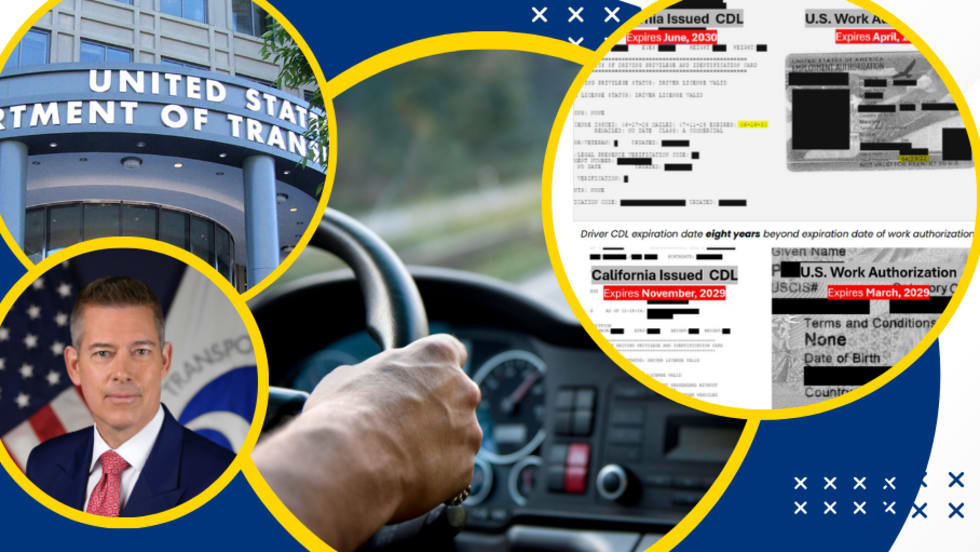
Illinois is the latest state targeted and threatened with the loss of highway funding by the U.S. Department of Transportation in its review of states' non-domiciled CDL issuance procedures. The state is pushing back.
After a legal pause last fall, FMCSA has finalized its rule limiting non-domiciled commercial driver's licenses. The agency says the change closes a safety gap, and its revised economic analysis suggests workforce effects will be more gradual than first thought.
Listen as transportation attorney and TruckSafe Consulting President Brandon Wiseman joins the HDT Talks Trucking podcast to unpack the “regulatory turbulence” of last year and what it means for trucking fleets in 2026.