





More on Emissions: Where to Now for Diesels?
EPA Seeks Small-Business Input on Phase 3 GHG Rules for Trucks, Buses
The U.S. Environmental Protection Agency is inviting small businesses to give it feedback on the agency's proposed Phase 3 greenhouse gas emissions rules.
August 18, 2022

EPA says zero-emissions vehicles will be an important part of its Phase 3 greenhouse gas regulations.
Photo: GNA/ACT Expo
2 min to read
The U.S. Environmental Protection Agency is inviting small businesses to give it feedback on the agency's proposed Phase 3 greenhouse gas emissions rules.
EPA is looking for "Small Entity Representatives" to participate on a Small Business Advocacy Review Panel. This panel will focus on the agency’s development of a rule that proposes to set a new phase of greenhouse gas requirements for heavy-duty engines and trucks that would apply beginning in model year 2030.
EPA first adopted GHG requirements for heavy-duty vehicles in 2011. The Phase 1 rule created a new certification and compliance program based on the computer simulation of vehicle carbon dioxide emissions and fuel efficiency rather than emissions and fuel efficiency testing, set performance-based standards, and adopted interim provisions to address impacts on small businesses. The Phase 1 standards began to apply in model-year 2014 for heavy-duty vehicles.
In 2016, EPA adopted a Phase 2 rule that set more stringent CO2 standards, as well as limits for hydrofluorocarbon, methane, and nitrous oxide (three other greenhouse gases.) The Phase 2 standards began to apply in model-year 2021. The Phase 2 rule also updated the prescribed emission simulation model to account for additional and new fuel-saving technologies and included flexibilities for small businesses that were identified by an SBAR Panel for that rulemaking.
This Phase 3 proposal would revise the GHG emission limits for heavy-duty vehicles while relying on the same basic certification and compliance structure already in place. The Phase 3 proposed rulemaking changes are expected to include more stringent vehicle emission standards to apply beginning in model-year 2030, based on revised projections of GHG-emission-reduction technologies used by engine and vehicle manufacturers, including future technology development. In developing the new standards, EPA will consider what it calls “the important role of zero-emission vehicle (ZEV) technologies to significantly reduce air pollution from the heavy-duty vehicle sector.”
The proposal also would include “limited and targeted flexibilities for small businesses,” thus the desire for small-business input.
The panel will include federal representatives from the Small Business Administration, the White House Office of Management and Budget, and EPA. The panel members ask a selected group of “Small Entity Representatives” to provide advice and recommendations on behalf of their company, government, or organization to inform panel members about the potential impacts of the proposed rule on small businesses.
EPA is looking for self-nominations directly from small businesses that may be subject to the rule requirements. Other representatives, such as trade associations that exclusively or at least primarily represent potentially regulated small entities, may also serve as SERs.
Self-nominations must be received by Aug. 29.
More Fuel Smarts
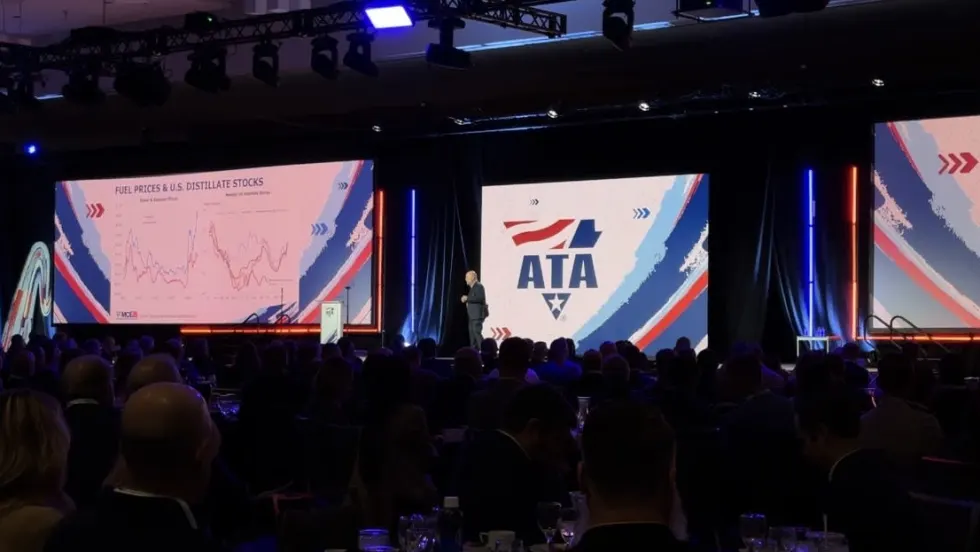
Trucking’s Diesel Squeeze Isn’t Letting Up
With diesel topping $6 a gallon nationally, ATA's Bob Costello explains why fleets should prepare for continued pressure at the pump.
Read More →
FlowBelow Redesigns Trailer AeroSlider to Cut Fuel Use
The lighter trailer aerodynamic system installs in less than 45 minutes, according to the company, with potential payback in under a year depending on fuel prices and trailer mileage.
Read More →
Why Diesel Price Relief Efforts May Fall Short
Diesel prices have eased from September’s record high, but doubts about additional Russian supply and limits on dyed-diesel tax relief mean trucking fleets still face expensive fuel. And prices could go higher.
Read More →
Why Small Fuel Savings Matter in Trucking
Can better fuel economy help pay for driver raises? In this podcast, GP Transco explains how small efficiency gains create room to reinvest in its people.
Read More →
How GP Transco Cuts Trucking Fuel Costs, a Tenth of a Gallon at a Time
What’s another tenth of a mile per gallon worth? GP Transco shares how equipment upgrades and driver coaching turn small gains into meaningful fuel savings.
Read More →
Electric Yard Tractors Move Beyond Pilots
Operating-cost savings have overtaken sustainability goals as the leading reason surveyed fleets are adopting battery-electric terminal tractors, according to new NACFE research.
Read More →
Geotab Links Fleet Card to Vehicle Data
The new card combines fuel discounts with telematics-based purchase controls. Geotab’s analysis also points to potential savings from choosing lower-priced fuel stops.
Read More →
Fleet Economics Shape Electric Truck Outlook
ACT Research expects costs, charging infrastructure, and technology improvements to drive zero-emission commercial vehicle adoption as federal regulations and incentives retreat.
Read More →
Wex Adds Cardless Fuel Payments for Over-the-Road Customers
A new fuel card feature for Wex customers offers convenience and security.
Read More →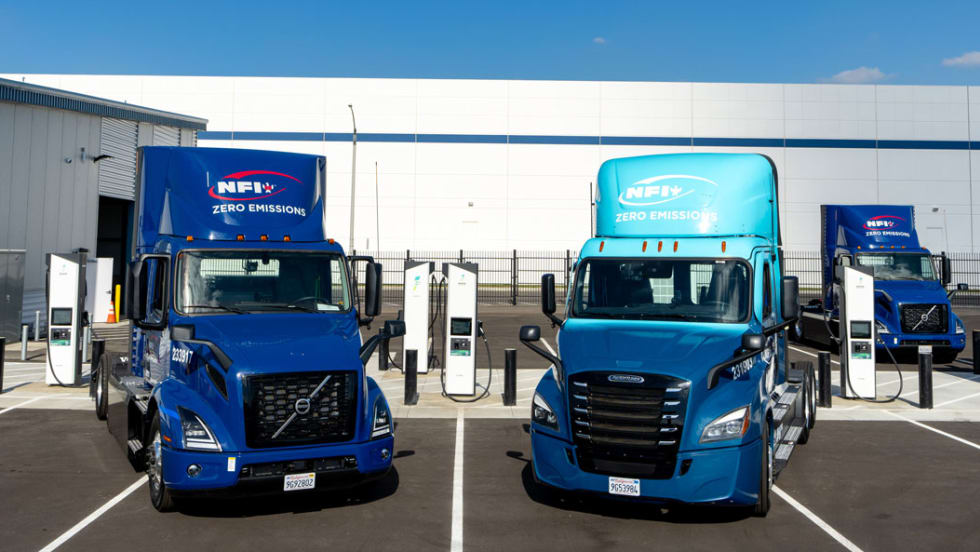
New California Law Could Shed Light on Electric Truck Prices
Why do battery-electric Class 8 trucks remain so expensive? A California bill signed by Gov. Gavin Newsom would give fleets and state agencies more visibility into what manufacturers charge.
Read More →