





California Approves New Transport Refrigeration Emissions Rules
ConMet eMobility Outlines Commercial Partnerships, First Deliveries of eHub
While a great deal of electrification effort is being spent on vehicle propulsion, ConMet eMobility has identified other opportunities for innovation, starting with zero-emission refrigerated trailers.
March 6, 2022
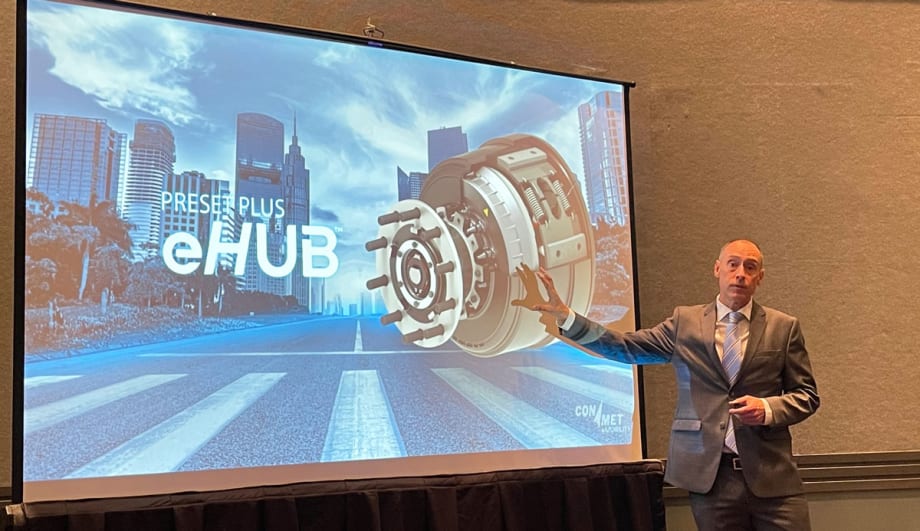
Marc Trahand, vice president and general manager of ConMet eMobility, tells trucking reporters about the eHub at TMC.
Photo: Jack Roberts
2 min to read
ConMet is picking up speed with its work to provide innovative zero-emissions trailer solutions, it shared with reporters at the American Trucking Associations’ Technology & Maintenance Council meeting in Orlando March 6.
While a great deal of electrification effort is being spent on vehicle propulsion, ConMet eMobility has identified other opportunities for innovation, starting with zero emissions refrigerated trailers. TIghtening greenhouse gas and noise regulations and an increased focus on corporate social responsibility are driving cold-chain fleets to look for zero-emissions transport refrigeration unit solutions.
ConMet eMobility recapped recently announced commercial partnerships and supply agreements that will increase sales of ConMet’s PreSet Plus eHub. This electric hub repurposes energy from coasting and braking to provide auxiliary power and propulsion assist in a lightweight package.
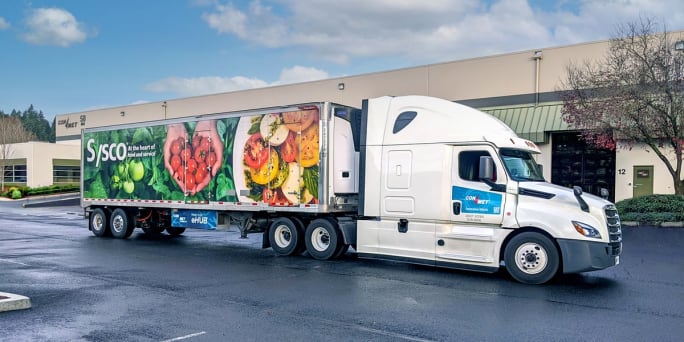
Sysco is evaluating ConMet eHubs with Carrier electric TRUs in Riverside, California.
Photo: ConMet
The eHub system pairs an in-wheel electric motor with a ConMet PreSet Plus hub assembly, engineered to capture kinetic energy and convert it to electricity. The electricity is stored in a high-capacity, lightweight battery that sits beneath a trailer, providing the vehicle with auxiliary power. When shared with transport refrigeration units, this regenerative energy is capable of providing zero-emission refrigeration to a fully loaded trailer, eliminating the need for a separate diesel engine and reducing overall fuel consumption.
In January, ConMet eMobility announced a commercial partnership with Carrier Transicold, which is further expanding its electrification capabilities in North America by leveraging the eHub system. When paired with a Carrier Vector unit, the technology can deliver a zero-emission transport refrigeration solution. CARB, in California, recently announced plans to make zero-emission TRUs mandatory and other states are expected to follow.
The system has already hit the road in California. On March 1 the companies announced an agreement with Sysco to supply the foodservice distribution giant with a zero-emission refrigeration system as part of a commercial evaluation program. The delivery of this advanced system took place earlier this year at Sysco’s Riverside, California, operating site, a location at the forefront of Sysco’s fleet electrification efforts.
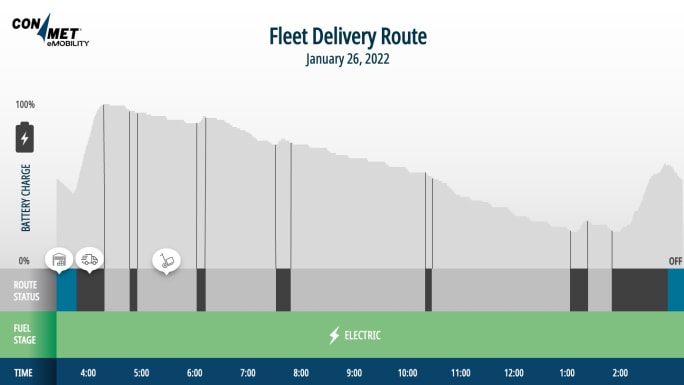
The eHub system generated enough electricity to power the TRU over an entire food service delivery route.
Photo: ConMet
“We are proud to see our technology already making a positive change,” said Marc Trahand, vice president and general manager of ConMet eMobility. “Results from our first commercial evaluation program prove how powerful the eHub system is, generating enough electricity to power the TRU over an entire food service delivery route. We’re looking forward to even more positive advancements as we move into our next production run of the eHub, which is scaled for volume, ease of use, and manufacturing efficiency.”
ConMet eMobility is also working with Great Dane, the first to specify a pre-configured trailer option for the eHub system.
More Fuel Smarts
Detroit Opens Orders for EPA 2027 Engines
Detroit isn’t starting from scratch to meet EPA 2027 diesel emissions standards. Its Gen 6 DD13 and DD15 engines keep much of today’s platform while updating the fuel and aftertreatment systems.
Read More →
Zero-Emission Truck Corridor Planned for West Coast
California, Oregon, Washington, British Columbia and Baja California are coordinating plans for truck charging and hydrogen fueling from Canada to Mexico.
Read More →
A Closer Look at Kenworth’s Electric T880E Vocational Truck [Video]
Learn more about Kenworth's T880E battery-electric vocational truck at the Paccar Technical Center, including its range, applications, upfitting considerations, and PTO options, in this HDT Spotlight video.
Read More →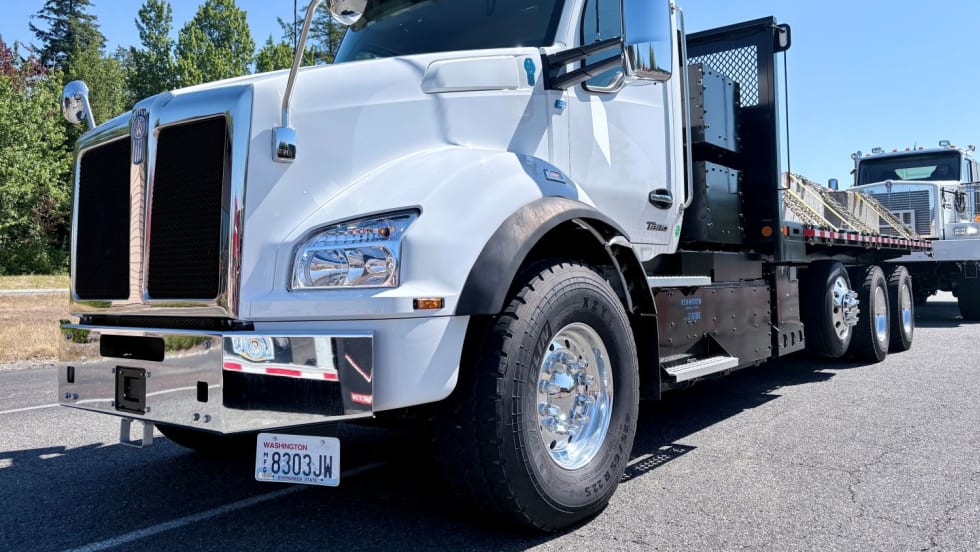
Kenworth T880E Brings EV Power to Vocational Trucks
A closer look at the Kenworth T880E’s range, charging, powertrain and upfit options — and where fleets are showing the most interest.
Read More →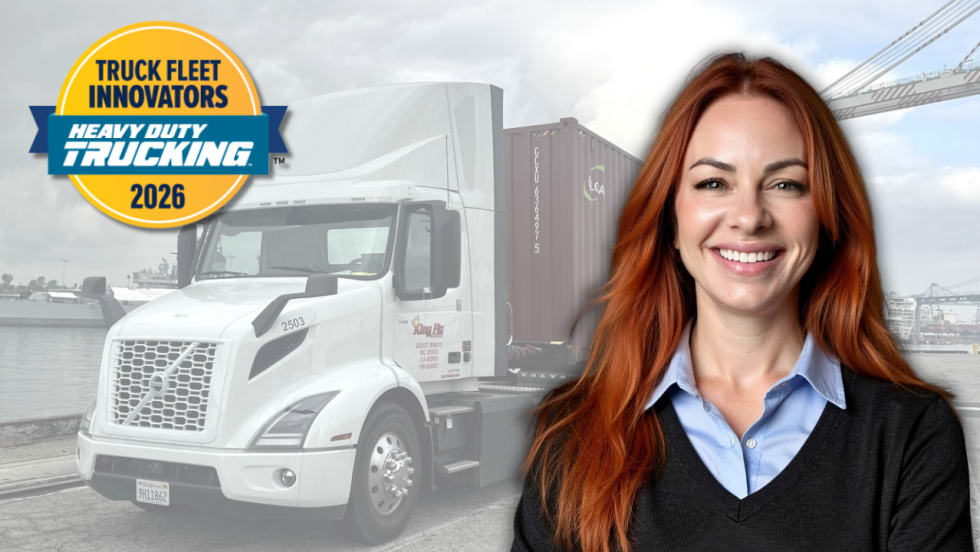
Jennie Abarca Is Proving Electric Trucks Can Do the Job
HDT Truck Fleet Innovator Jennie Abarca is building confidence in fleet electrification one load at a time while openly sharing the challenges she encounters along the way as a small-fleet owner.
Read More →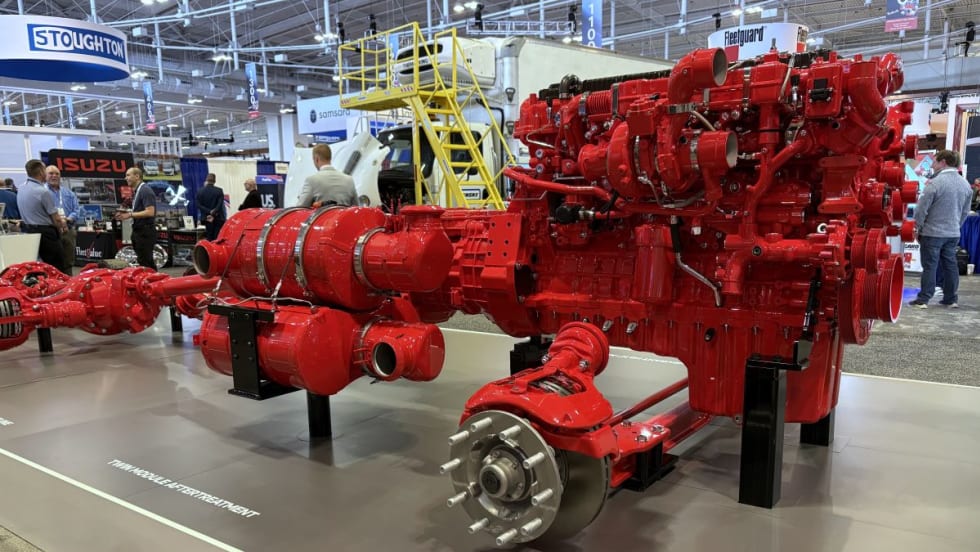
Cummins Adjusts 2027 Engine Rollout After EPA Proposal
The engine maker will gradually introduce its new Model Year 2027 diesel engines while continuing to offer current models during the transition, citing the EPA's proposed emissions rule changes.
Read More →
EPA Proposal Could Ease 2027 Truck Costs and Buying Uncertainty
The proposal doesn't change the tougher NOx standard, but it would revise key implementation requirements that manufacturers say have driven up costs and complicated fleet purchasing decisions.
Read More →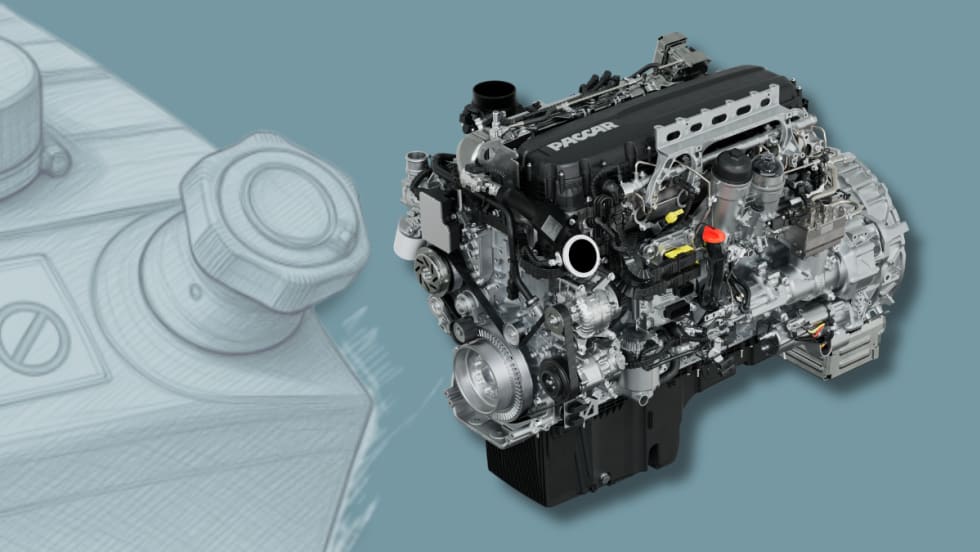
Cummins, Paccar Ease DEF Derates After EPA Guidance
Updated diesel engine software gives truck operators more time to address emissions-system issues while staying compliant with EPA emissions standards.
Read More →
Maintenance in the Messy Middle Part 3: Biodiesel
Biodiesel can reduce emissions, improve fuel-system lubricity and use existing diesel infrastructure. But NACFE’s Messy Middle maintenance report says fleets must actively manage storage, cold-weather operation, filters and oil drain intervals to avoid problems.
Read More →
Enhance Fleet Performance with High-Efficiency Auxiliary Power Units
Drive sustainable cost savings while increasing driver comfort during short- and long-haul logistics operations.
Read More →