




At the Technology and Maintenance Council (TMC) Conference in Orlando, Fla., this week, Detroit Diesel gave journalists a preview of its production-intent version of Daimler's BlueTec
technology.
The DD13, DD15, and soon-to-debut DD16 family of engines were engineered from the ground up to be integrated with Detroit Diesel's new BlueTec technology, which was developed to meet the specific needs and conditions of the trucking industry in North America.
The new BlueTec emissions control system requires virtually no changes to Detroit Diesel's base engines - meaning those base engine parts are already available and the service network is already trained to support them.
Like all 2010 selective catalytic reduction (SCR) systems, Detroit Diesel's BlueTec technology will require diesel exhaust fluid (DEF), a solution of two-thirds pure water and one-third automotive-grade urea, to treat exhaust gases downstream of the engine. The DEF reacts with smog-forming nitrogen oxide in an SCR catalyst, reducing the NOx released into the air into nitrogen and water, safe elements in the air we breathe.
Detroit Diesel's BlueTec Technology incorporates emissions technology already present on today's vehicles such as exhaust gas recirculation, diesel oxidation catalyst, and diesel particulate filter. All SCR systems designed to meet EPA 2010 emissions standards will also require the vehicle's operator to keep the truck filled with DEF and the addition of a few new components. These SCR components include: the DEF tank, DEF doser, SCR catalyst, Aftertreatment Control Module (ACM) and the DEF gauge.
Detroit Diesel says DEF availability will not be an issue. More than 2,500 dealers, distributors, truckstops and retail outlets are committed to carrying the product, according to the company. Vehicles equipped with Detroit Diesel BlueTec SCR technology will require DEF refilling about every 5,000 to 7,000 miles per 23-gallon tank under typical highway duty cycles.
Detroit Diesel's BlueTec technology is designed and engineered to offer greater fuel economy. Currently projections show up to 5 percent diesel fuel economy improvement over today's DD15 engines (the industry's current benchmark for fuel economy, thanks in part to turbo compounding) and an up to 3 percent net improvement for the BlueTec emissions technology.
When compared to non-SCR technologies planned for use in 2010, the Detroit Diesel BlueTec technology will deliver even greater fuel economy advantage.
Three factors contribute to the optimized fuel efficiency of Detroit Diesel's BlueTec technology, according to the company: base engine-out NOx levels, DPF regeneration intervals, and exhaust back pressure.
BlueTec treats the exhaust gases outside of the engine and allows the in-cylinder combustion process to be fully optimized for peak thermal efficiency via refinement of fuel injection timing and exhaust gas recirculation (EGR) rates. This, in turn, also results in reduced engine heat rejection and reduced stress on the cooling system.
The efficient combustion process of BlueTec equipped engines is also much cleaner and generates extremely low levels of engine-out PM. These low levels of engine-out PM, coupled with favorable NOx/PM ratios and Detroit Diesel's all-new, robust DPF material, significantly prolongs the DPF active regeneration interval in 2010. Moreover, DDC's BlueTec technology predominantly utilizes a low temperature process for DPF regeneration and limits exposure to high temperatures to only once in several thousand miles for typical heavy-duty highway applications.
With these technology enhancements, BlueTec will not only deliver fuel economy improvements but also subject the aftertreatment system to less thermal stress and fatigue compared to other systems, according to the company. Reduced exposure to high temperatures also minimizes the aging of the catalyst coatings, thus retaining the BlueTec system's high performance and efficiency over its lifetime.
Detroit Diesel's BlueTec technology will be offered in two packaging options - a one-box and a two-box configuration. In addition to providing for space optimization and adaptability to a wide variety of truck applications, the proprietary one-box option uses a unique design that reduces the exhaust gas flow restriction, resulting in less exhaust back pressure and therefore improved fuel economy. At a TMC press conference, Detroit Diesel's one-box configuration was showcased in combination with the DD15 and a Freightliner Cascadia truck.
Detroit Diesel Previews its BlueTec SCR Technology at TMC
At the Technology and Maintenance Council (TMC) Conference in Orlando, Fla., this week, Detroit Diesel gave journalists a preview of its production-intent version of Daimler's BlueTec technology
More Aftermarket
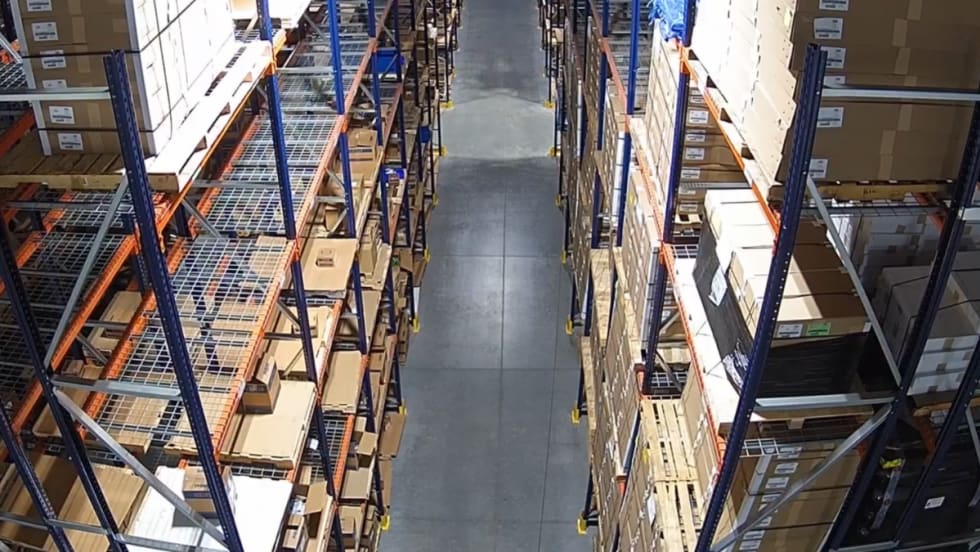
Phillips Opens High-Tech Distribution Center for Faster Parts Delivery
Phillips Industries’ new Cincinnati-area distribution center is now shipping aftermarket trucking parts nationwide, aiming to speed up delivery times for customers.
Read More →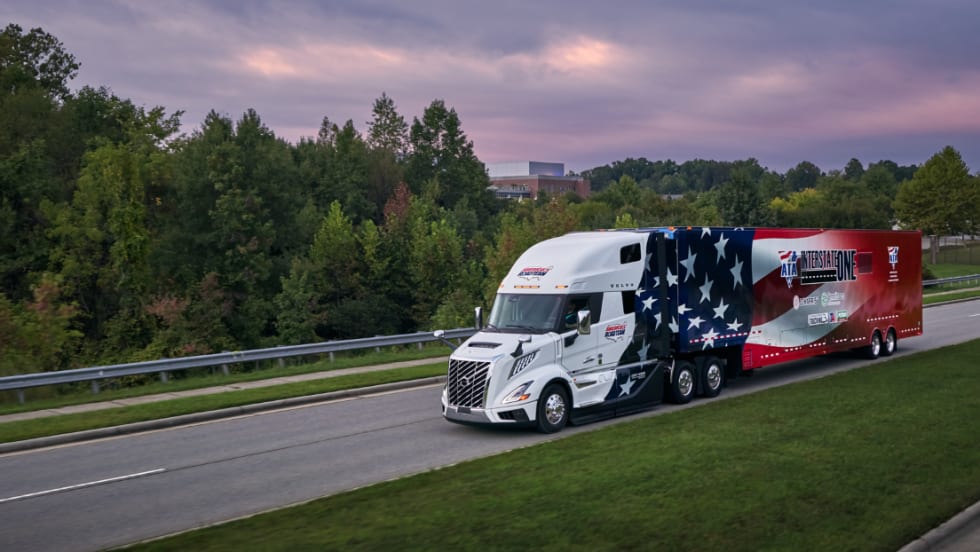
Volvo to Sponsor America’s Road Team for 2025
Volvo Trucks announced that it is extending its exclusive sponsorship of America’s Road Team for 2025.
Read More →
Webb to Start Taking Orders for UltraSet Pre-Adjusted Wheel Hubs
Webb, which recently acquired the Stemco Trifecta pre-adjusted hub program, will soon start taking orders for its replacement pre-assembled hub, the UltraSet.
Read More →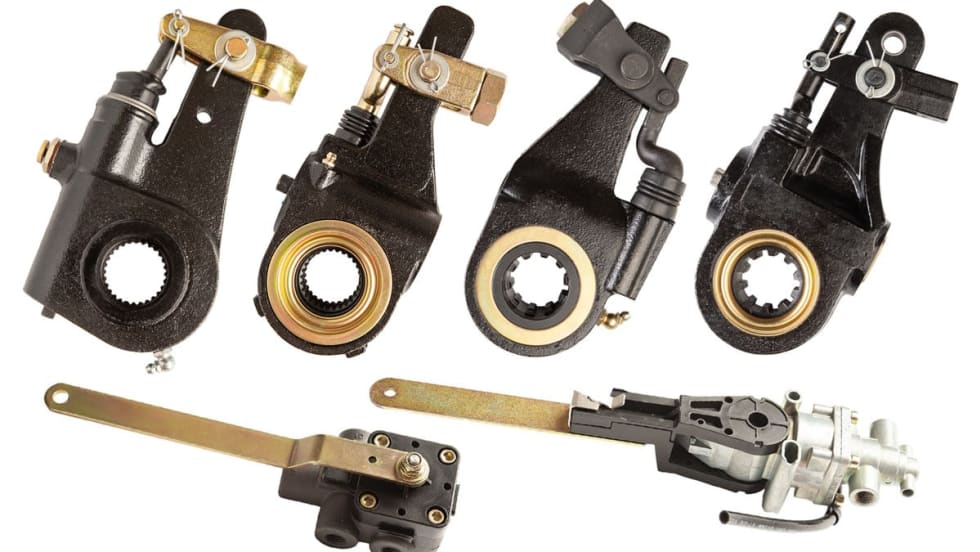
All-Makes Automatic Brake Adjusters, Ride Height Control Valves from Midland
SAF-Holland has added automatic brake adjusters and ride height control valves to its Midland All-Makes Program.
Read More →
ZF Aftermarket Expands [pro]Academy Training
ZF Aftermarket said it is expanding its ZF [pro]Academy training and will be adding 40 new modules this year.
Read More →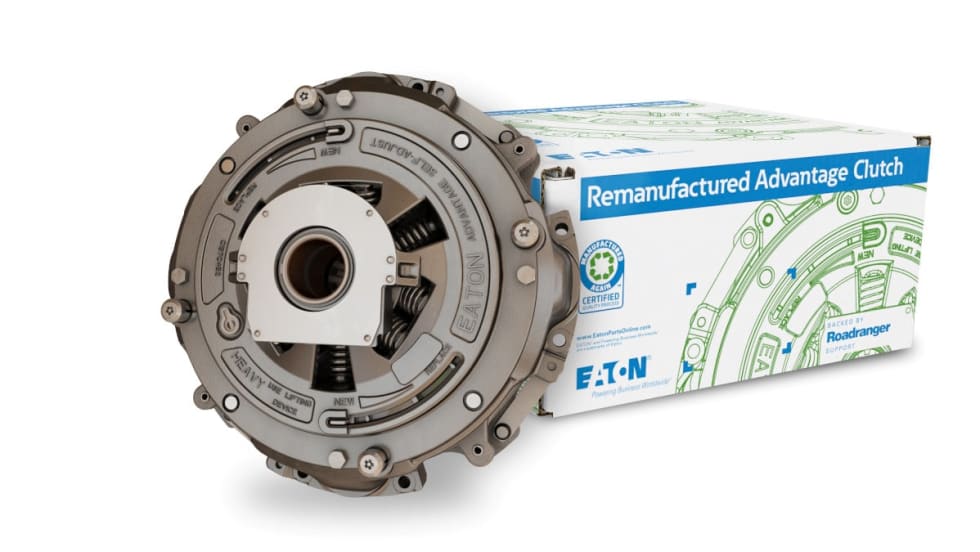
Eaton Adds Remanufactured Advantage Line of Clutches
Eaton has added its Advantage clutches to its remanufactured product line. The clutches feature a unique strap drive intermediate plate designed to allow customers to choose the latest OE specification
Read More →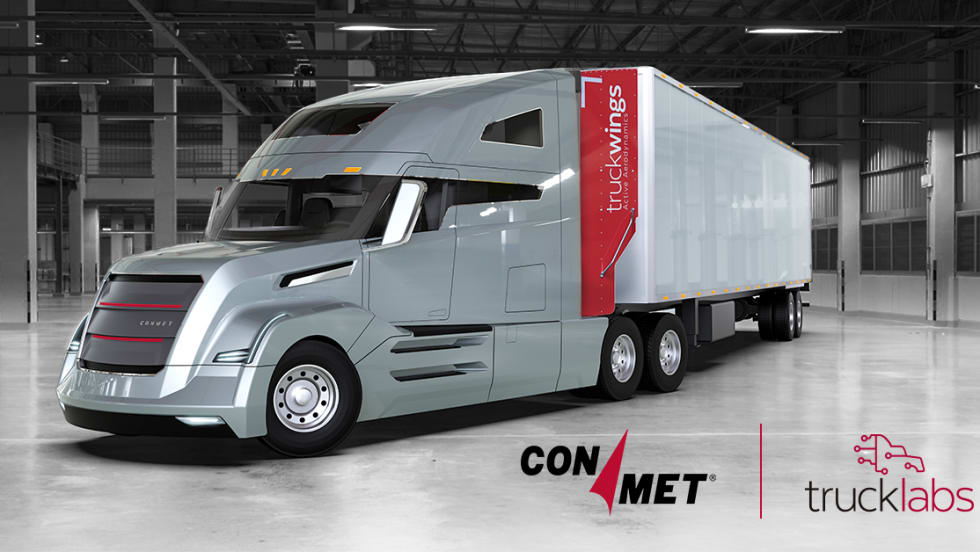
ConMet Acquires TruckLabs, the Creator of TruckWings
Commercial truck and trailer parts provider ConMet acquired TruckLabs, the company that created TruckWings, an aerodynamic device that attaches to truck cabs and deploys to close the gap between truck and trailer. TruckLabs now operates as a subsidiary of ConMet.
Read More →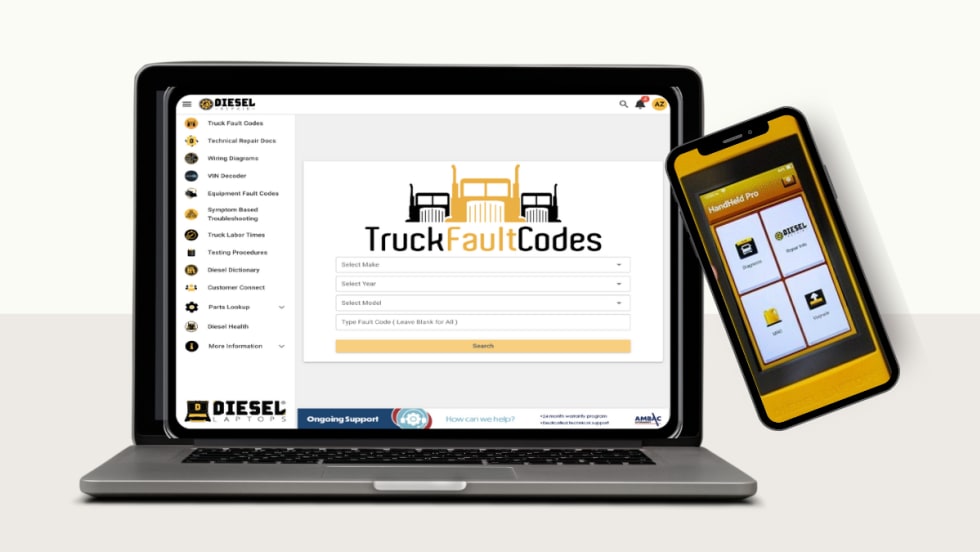
Diesel Laptops Releases Fault-Code-to-Part-Number Tool
Diesel Laptops said its Truck Fault Codes allows users to input a fault code and immediately identify and order the parts needed to complete repair work.
Read More →
Heavy Duty Parts and Labor Costs Dropped in Q2
A benchmarking report from TMC and Decisiv reveals good news for fleets as heavy-duty parts and labor costs dropped in the second quarter of 2023.
Read More →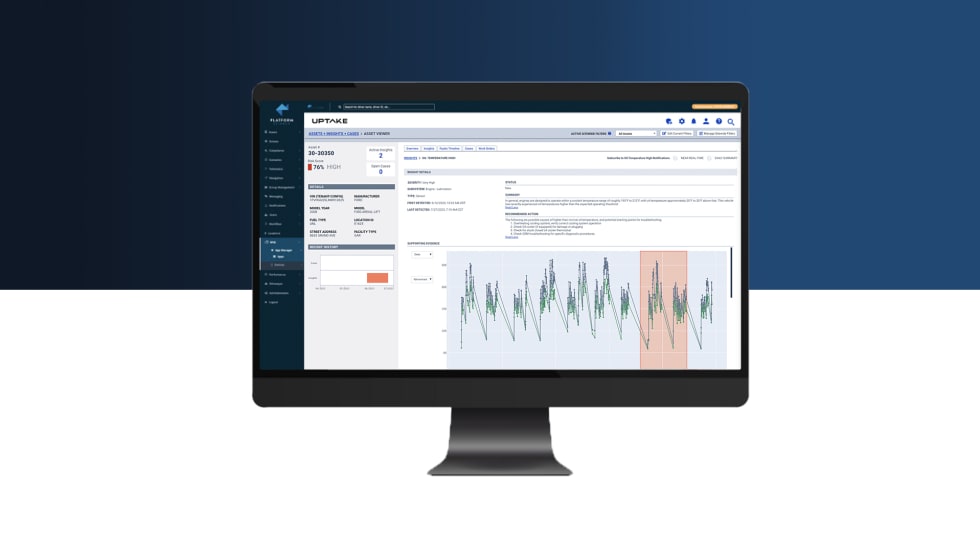
Platform Science, Uptake Partner on Predictive Maintenance Platform
Platform Science and Uptake have formed a partnership aimed at bringing a comprehensive predictive maintenance program to market for U.S. truck fleets.
Read More →