




Kinedyne Adds Decking System Design to Increase Trailer Space
Kinedyne’s new extended clearance head design for the K2 Kaptive Beam decking system moves logistic beams 2.46 inches higher in the trailer, providing more clearance for forklifts and freight.


Kinedyne’s new extended clearance head design for the K2 Kaptive Beam decking system moves logistic beams 2.46 inches higher in the trailer.
Photo: Kinedyne
Using decking to safely stack two levels of palletized freight in a single trailer can double cargo capacity. However, some captive decking systems can get in the way of larger cargo or risk forklift damage during loading and unloading.
Kinedyne’s new extended clearance head design for the K2 Kaptive Beam decking system moves logistic beams 2.46 inches higher in the trailer, providing more clearance for forklifts and freight, company officials said in a press release.
“The design creates up to 3% more free space at the top of the trailer when the beam is stored — maximizing the available cubic space when decking is not required,” says Jason Lueck, Kinedyne’s engineering manager.

The new extended clearance head assembly is made from anodized high-strength aluminum.
Photo: Kinedyne
The new extended clearance head assembly is made from anodized high-strength aluminum. It moves within Kinedyne’s vertical track to position and securely lock the beams wherever they are needed for decking or shoring. The K2 Kaptive Beam aluminum track weighs 25% less than Kinedyne’s K1 Kaptive Beam track and can also be recessed to maximize trailer interior width. This is ideal for customers where weight savings, fuel economy and maximum cargo capacity are the priorities, company officials said.
The new extended clearance head is compatible with existing K2 Kaptive Beam systems.
More Products
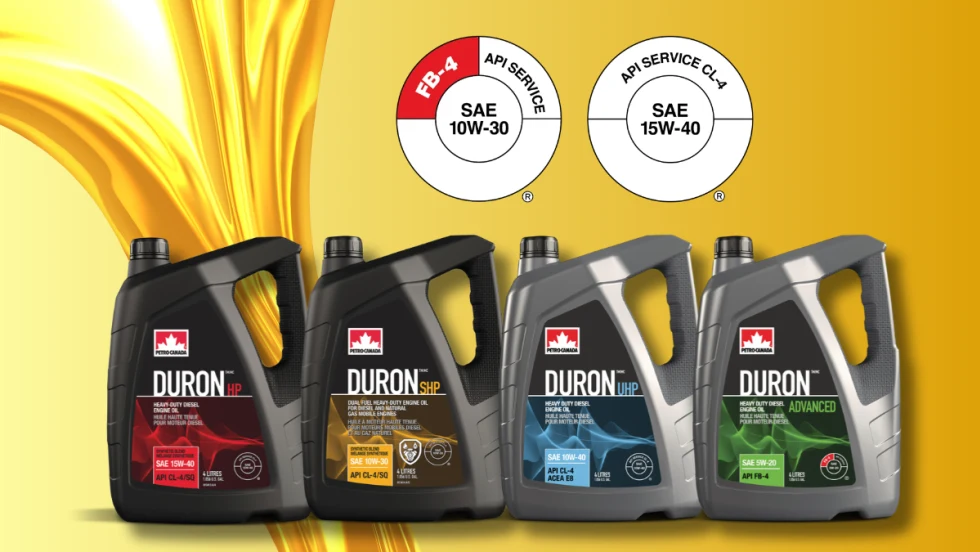
New Duron Engine Oils Target Fleet Operating Costs
Petro-Canada's next-generation heavy-duty engine oils promise better wear protection, longer oil life and potential fuel savings as the industry prepares for new oil specifications in 2027.
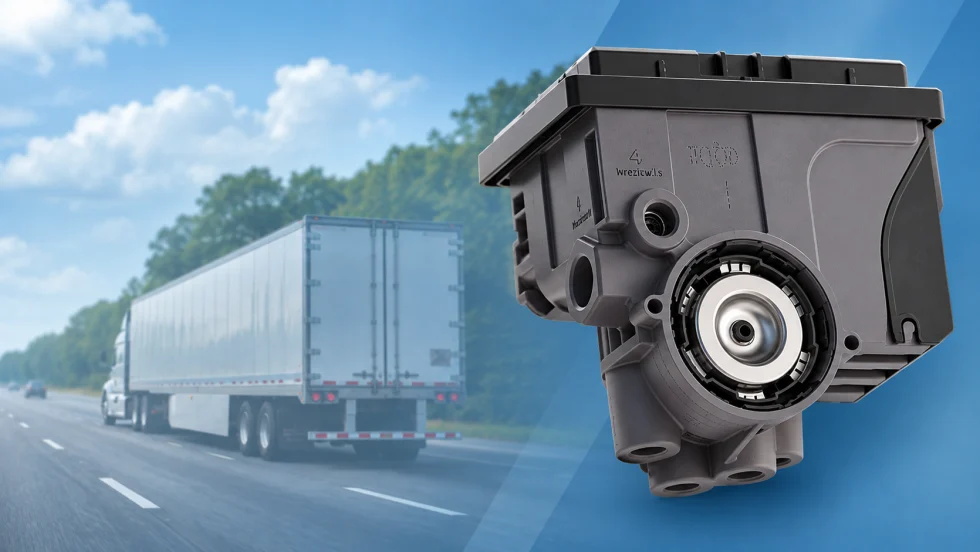
Bendix Upgrades Trailer ABS With Smarter Diagnostics
The new iTABS X system replaces Bendix's TABS-6 Standard trailer ABS, adding faster diagnostics and connectivity that could help fleets identify brake-system problems before they lead to downtime.
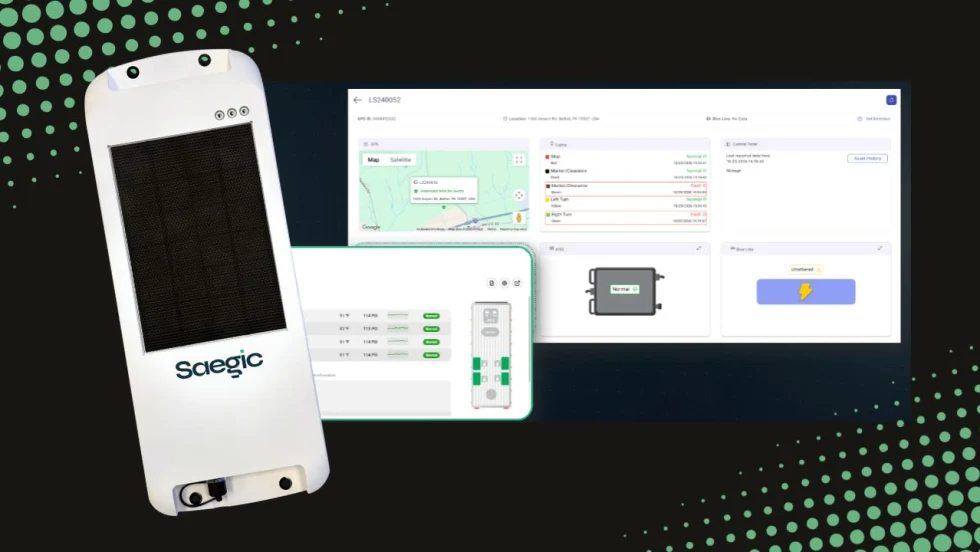
Road Ready Becomes Saegic, Launches New Trailer Telematics Gateway
Clarience Technologies is rolling out new hardware and expanding its plans for connecting trailer telematics, maintenance data, and video.

More Trailer Data Through the Same Seven-Way [Video]
Can trucking’s standard seven-way connector handle more cameras and trailer data? Grote’s Adam Slade shows HDT how the company is using new technology with its 4See trailer system, not only to add a new backup camera but also to expand other capabilities — without adding another connection.

FlowBelow Redesigns Trailer AeroSlider to Cut Fuel Use
The lighter trailer aerodynamic system installs in less than 45 minutes, according to the company, with potential payback in under a year depending on fuel prices and trailer mileage.
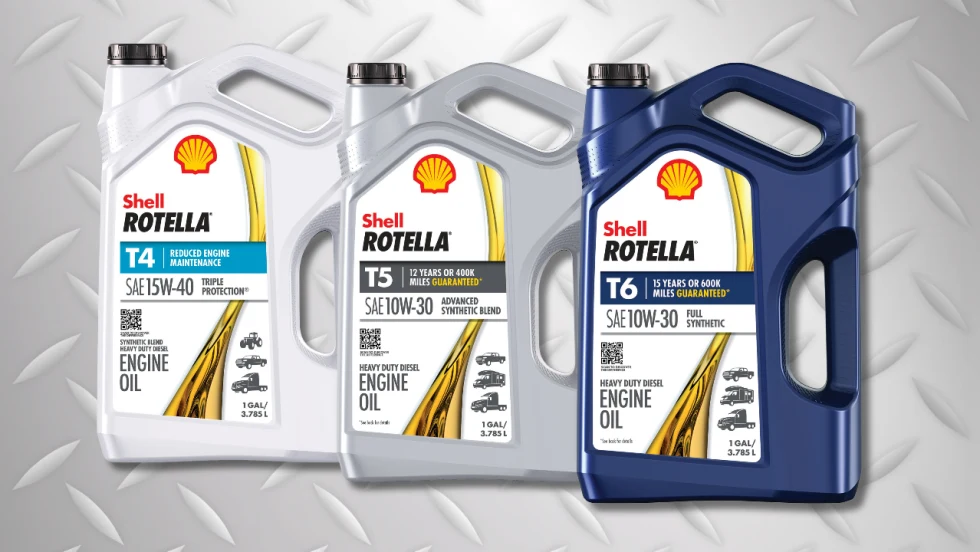
Shell Prepares Rotella Oils for 2027
New CL-4 and FB-4 formulations will begin arriving in early 2027, with improved protection against oil breakdown, wear and deposits, according to Shell.
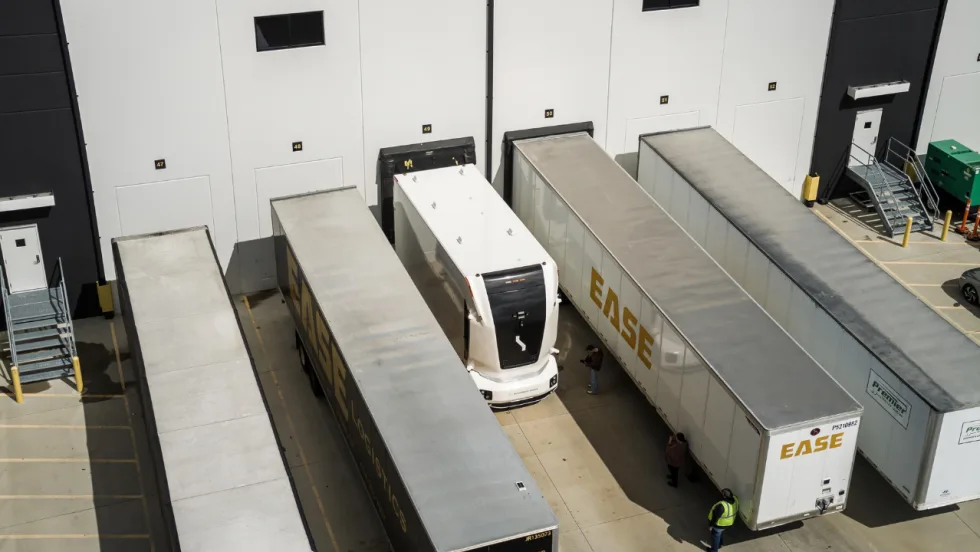
Einride Driverless Electric Trucks Begin Daily Freight Operations in Ohio
Two cabless electric trucks are hauling freight between EASE Logistics facilities in Marysville, Ohio, as part of a multi-state truck automation project.
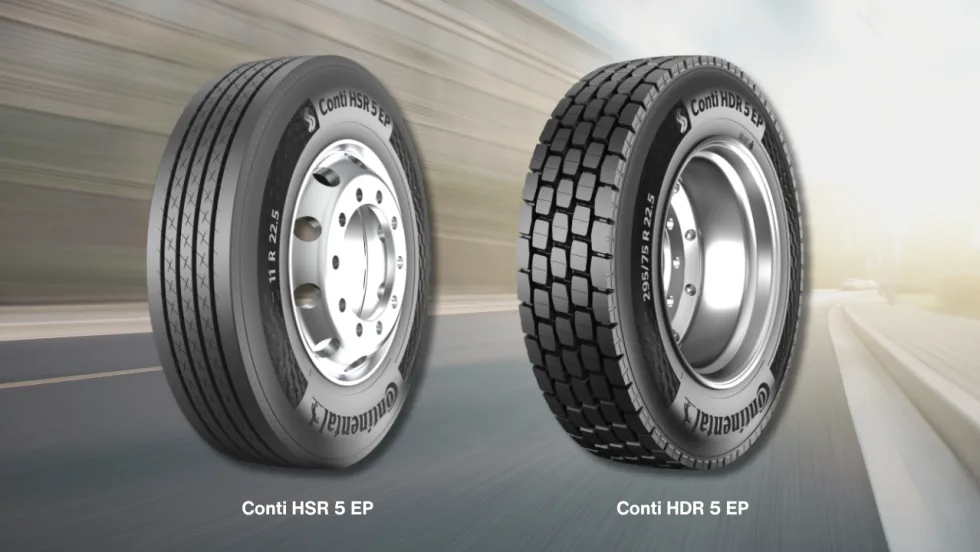
Continental Introduces New Regional Truck Tires
Continental says its new Generation 5 steer and drive tires for regional operations offer longer tread life, with estimated mileage gains of 22% and 19%, respectively.
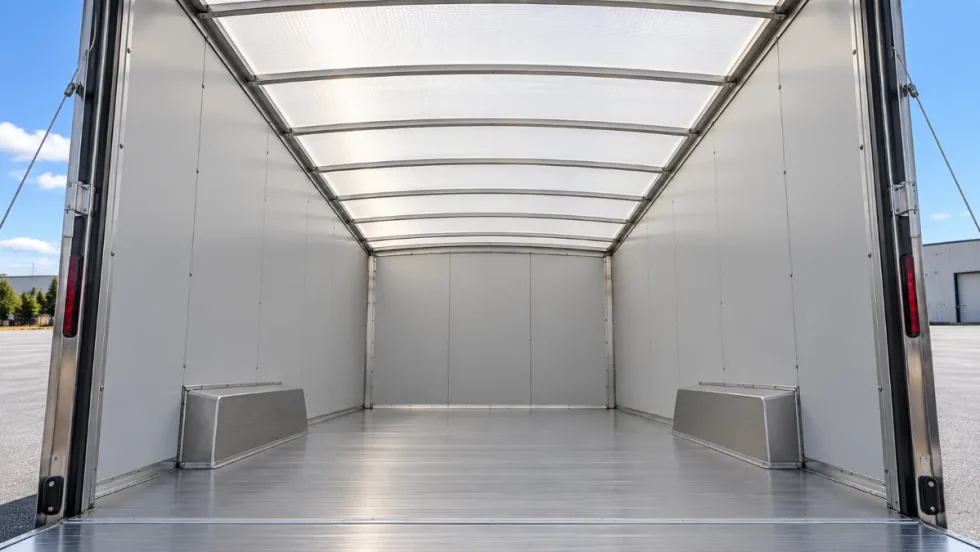
Tekmodo Introduces CargoBright Brand for Translucent Trailer Roofs
CargoBright is designed to diffuse daylight across the cargo area while performing as a working vehicle roof.
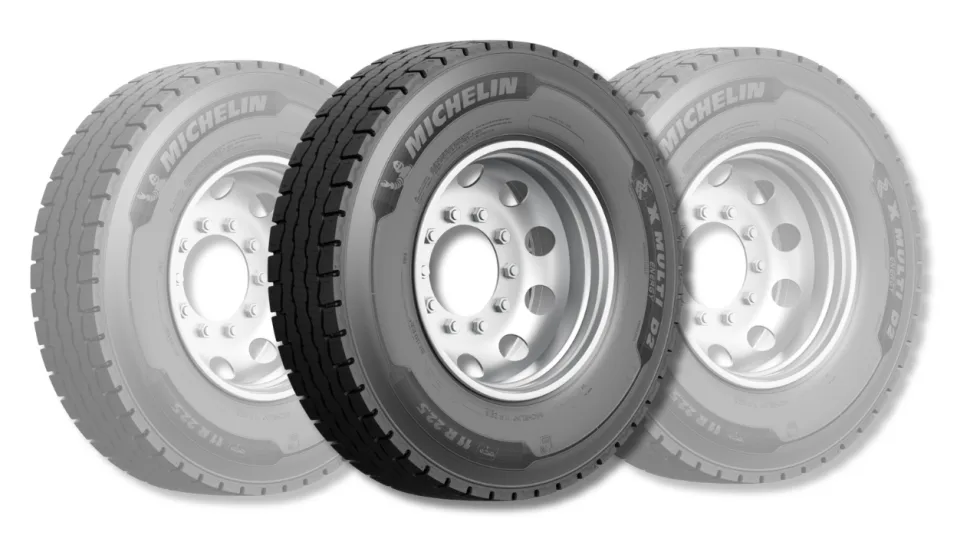
Michelin Tire Improves Efficiency and Durability for Regional Fleets
The Michelin X Multi Energy D2 is a regional haul drive tire engineered to help fleets improve fuel efficiency, durability and traction in demanding stop-and-go operations.