




3 Ways Drivers Can Boost Their Immune Systems [Commentary]
Fleets should be proactive in teaching drivers ways to develop and maintain a healthy immune system. Here are some tips for avoiding a reactive approach to driver health.

![3 Ways Drivers Can Boost Their Immune Systems [Commentary]](https://assets.bobitstudios.com/image/upload/f_auto,q_auto,dpr_auto,c_limit,w_920/assorted-fruits_1768078205648_qojph2.jpg)
Photo: Trang Doan via Pexels
The coronavirus put an added strain on the trucking world for both drivers and fleet owners. But as with every challenge, there are lessons to be learned and wisdom to be gained. So, what has the COVID-19 pandemic taught us? Or at least shined a brighter light on so we can see more clearly?
I believe the main lesson to be learned here is that having a healthy and strong immune system is extremely important for all of us, and even more so for truck drivers. We should be more proactive in teaching drivers ways to develop and maintain a healthy immune system, instead of being reactive and waiting until a flu or pandemic occurs.
Here are the three most critical factors for strengthening your immune system.
1. Reduce Stress on Truck Drivers
The most important factor for our immune system is also the most challenging for many truck drivers — especially now — and that is chronic stress. Truck driving can be extremely stressful, with delivery deadlines, poor road conditions, traffic, and being away from family.
For truck drivers to reduce their stress, they need to approach the problem from various angles. Exercising and spending time in nature are two simple ways to lower stress. This can be as simple as doing stretches and taking a daily walk. Listening to inspiring audiobooks or podcasts are often very helpful in managing stress.
It’s important for fleets to talk to their drivers about stress and ways to relieve it, and even offer coaching or counseling services.
2. Ensure Truck Drivers Are Getting Enough Sleep
Despite all the challenges drivers face when it comes to getting quality sleep, there are certain things they can do to help improve the quality of their sleep, and sometimes the quantity as well.
Start by having a bedtime routine that does not include electronics. Reading, journaling, or listening to relaxing music are all ways to help get the body ready for sleep.
Exercising and moving throughout the day will increase melatonin production, which helps with sleep. Drivers should be coached to cut out caffeine at least six hours before bedtime and avoid eating for the last two hours before bed, as digesting food inhibits our deep sleep.
3. Encourage Truck Drivers to Eat a Healthy Diet
Diet also plays a part in our immune systems’ health. Some research indicates that the “good” bacteria in our gut plays an important role, and a poor diet filled with processed foods destroys that good bacteria. Fermented foods like miso, kefir, sauerkraut, Greek yogurt, and Kombucha can help your gut bacteria and in turn boost your immune system. Replace those processed foods with fruits, vegetables, nuts, seeds, and whole grains.
Vitamin supplements should at least include a daily multivitamin to help fill in the gaps in nutrients drivers may miss on the road. Some specific vitamins that are believed by some to help include vitamins C, D3, and K2, as well as fulvic acid.
As fleet owners and managers, we need to consider not only how we can best support our truck drivers with this information, but more importantly, with implementing these practices.
More Drivers
Platform Science Adds Dispatch and Safety Tools
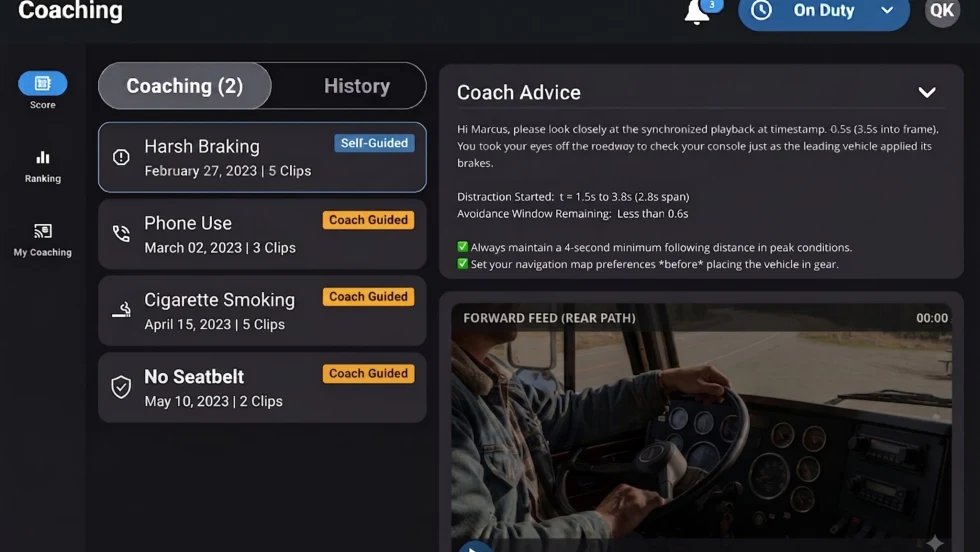
Four additions to PS Fleet help fleets monitor loads, manage driver coaching, share truck locations and adjust video system settings.
Read More →
When Language Stops the Truck: The Return of ELP Out-of-Service Orders
English language proficiency rules for commercial drivers aren’t new, but renewed out-of-service enforcement has raised the stakes. Here’s what carriers need to know before a driver reaches a roadside inspection.
Read More →
Samsara Launches Custom AI Agent Builder
Agent Studio lets fleets create AI tools for hours-of-service monitoring, reporting and driver support, including agents that communicate by phone.
Read More →
Trucker Path Expands Reserved Parking Network
Trucker Path has added close to 6,000 more truck parking spaces to its Trucker Path Reserved Parking Network with the addition of Safe Truck Parking.
Read More →
EEOC Sues Texas Trucking Company Over Driver Age Limits
The agency says Trancasa USA rejected applicants over 65 and applied tougher driving-record standards to those over 60.
Read More →
Nussbaum, Roehl Announce Second Driver Pay Increase This Year
This year has seen a swath of major truck driver pay increases as freight capacity has tightened.
Read More →
From One Generation to the Next: How Mentorship Builds Safer Truck Drivers
After three decades in trucking, Harold Perry shares what he's learned about driver safety, mentorship, and helping the next generation build confidence behind the wheel.
Read More →
Truck Drivers Need More Than Another Alert
Fleets have more visibility into truck health, safety events, and driver activity than ever. The next challenge is turning all that information into useful guidance for the person who has to decide what to do next.
Read More →
FMCSA Removes 110 Truck Driver Training Schools from Certified ELDT List
Federal regulators also are targeting more than 160 additional training providers and launching a nationwide audit of third-party CDL skills testers as part of a broader crackdown on trucking fraud.
Read More →
Hours of Service Pilot Programs: FMCSA Readies for 2027 Rollout
Two pilot programs could eventually reshape hours-of-service rules, giving truck drivers options to pause their 14-hour clock or use longer split sleeper rest periods.
Read More →