





Related: House Infrastructure Bill Heavy on Electrification Spending
Survey: 50% Support Mileage Fees, 75% Support Gas Tax Increase
According to the Mineta Transportation Institute’s recently released annual national transportation tax survey, half of respondents supported a “business road-use fee” that would be assessed on the miles that commercial vehicles drive on the job.
July 9, 2020
Image: Mineta Transportation Institute
3 min to read
According to the Mineta Transportation Institute’s recently released annual national transportation tax survey, half of respondents supported a “business road-use fee” that would be assessed on the miles that commercial vehicles drive on the job.
The national survey — What Do Americans Think about Federal Tax Options to Support Transportation? — is in its 11th year.
“Roughly half of American adults support some form of a mileage fee,” says Dr. Asha Weinstein Agrawal, one of the study’s authors and director of the Mineta Transportation Institute’s National Transportation Finance Center. “For example, 49% supported replacing the gas tax with a ‘green’ mileage fee that charges an average rate of a penny per mile, with lower rates for less polluting vehicles and higher rates for more polluting vehicles.”
The study’s co-author, Dr. Hilary Nixon, broke it down even further, explaining, “54% of people supported such a fee on delivery and freight trucks, and 52% supported such a fee on either taxis or ridesharing vehicles.”
The survey also asked respondents if they would support raising the federal gas tax rate by 10 cents per gallon, with 75% supporting the increase in the gas tax if the revenue raised is dedicated to maintenance projects. Only 44% support the same increase if the money is used more generally to maintain and improve the transportation system.
Other key 2020 findings include:
If Congress were to adopt a federal mileage fee to replace the gas tax, more than three-quarters would prefer to pay monthly or at the time they buy fuel or charge a vehicle, while 23% preferred to pay an annual bill.
Respondents thought mileage fee rates should be lower for electric vehicles than for gas and diesel vehicles.
A majority valued the idea of using the gas tax revenue on improvements across different transportation modes, including for both road and public-transit-related projects.
Only 3% of respondents knew that Congress had not raised the rate of the federal gas tax since 1993.
This survey comes on the heel of an announcement from the U.S. Department of Transportation’s Federal Highway Administration (FHWA) that it awarded $15.1 million in Surface Transportation System Funding Alternatives grants to seven projects in Delaware, Oregon, Utah, Washington, and Wyoming to explore new ways to fund highway and bridge projects.
The program’s goal, according to the FHWA, is to test ways to supplement the federal gas tax and “provide long-term support for the Highway Trust Fund.”
“These seven pilot projects will help provide valuable insight into potential new sources of revenue to support highway and bridge improvements nationwide,” said Federal Highway Administrator Nicole Nason.
The grants will fund projects that test the design, implementation and acceptance of user-based alternative revenue tools, such as mileage-based fees.
More Fleet Management
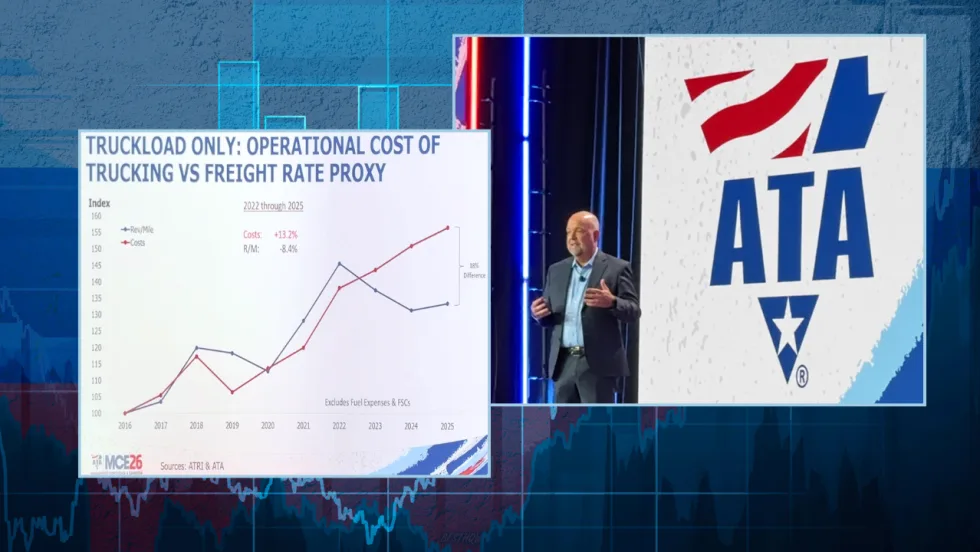
Why This Trucking Recovery Is Different
Freight demand remains sluggish, but rising costs and tougher enforcement have taken enough capacity out of the market to change the outlook for motor carriers.
Read More →
Platform Science Adds Dispatch and Safety Tools
Four additions to PS Fleet help fleets monitor loads, manage driver coaching, share truck locations and adjust video system settings.
Read More →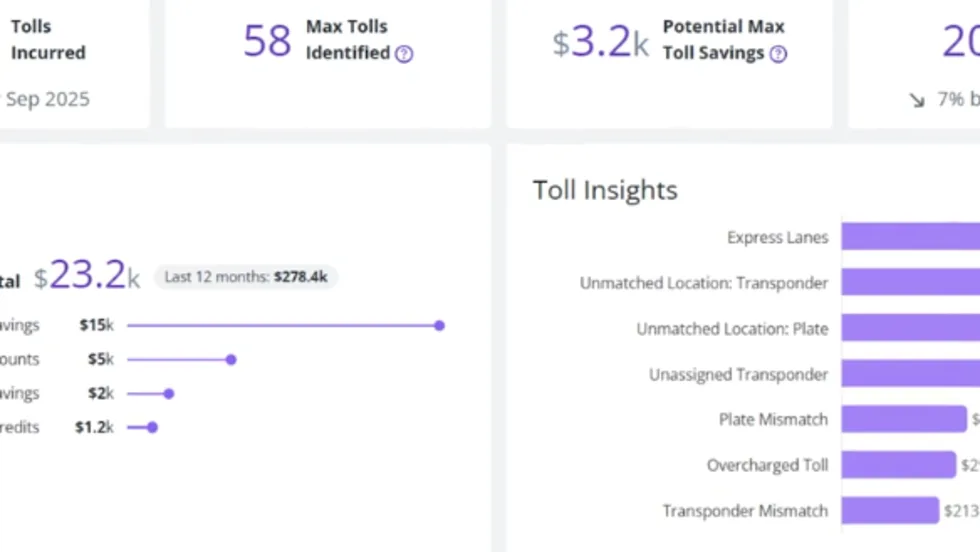
PrePass Intelligence Mines Fleet Bypass, Toll and Safety Data
PrePass Intelligence helps fleets measure bypass savings, flag potential toll overcharges, and spot suspicious transactions by combining data from separate systems.
Read More →
Motive Adds AI Agents for Fleet Operations
New tools automate follow-up on fleet data, from maintenance work orders to driver alerts, with two-way voice conversations planned for later this year.
Read More →
Can You Beat Our Trucking Trivia Challenge?
Test your truck knowledge with 19 trivia questions from Heavy Duty Trucking Exchange. Can you keep up with the fleet pros?
Read More →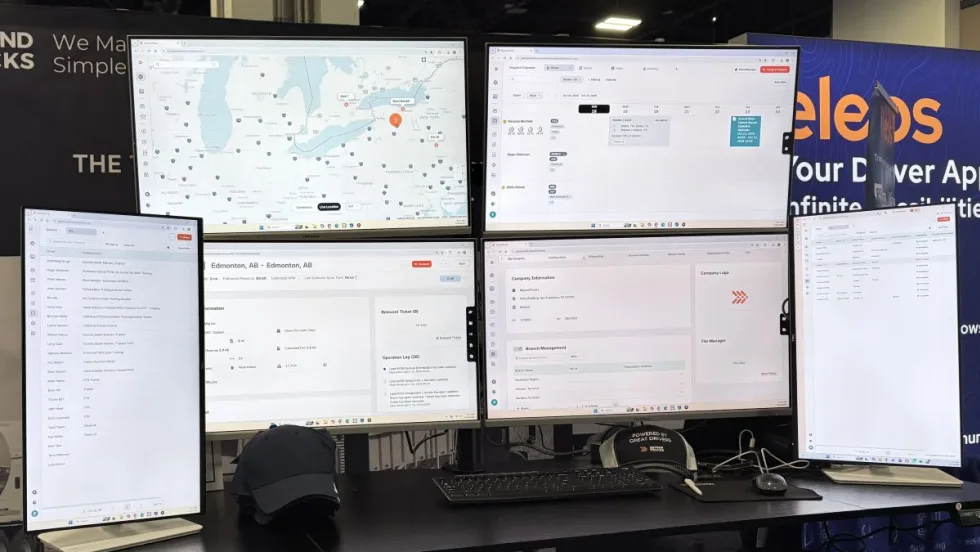
BeyondTrucks Adds Rules Checks to Dispatch
New Compatibility Engine checks driver qualifications, equipment requirements and fleet policies before loads are dispatched.
Read More →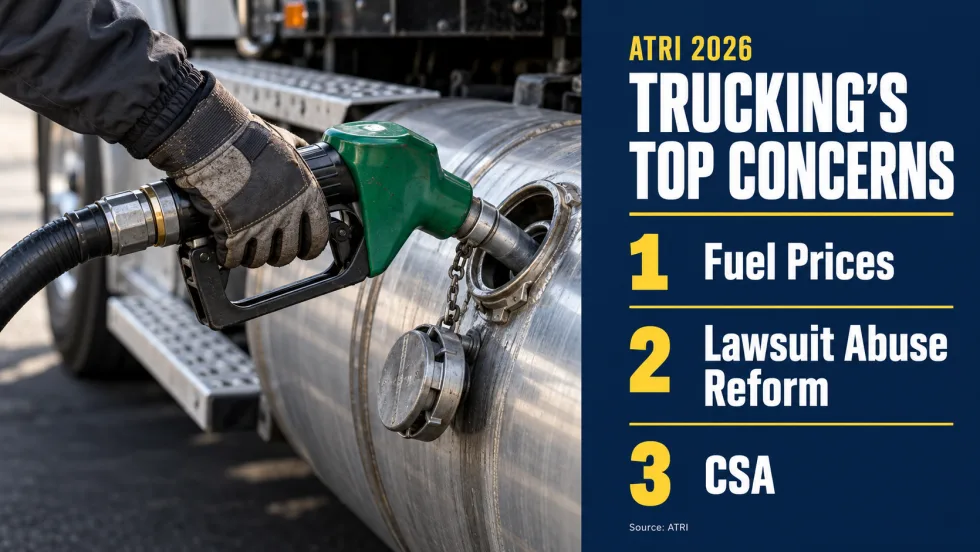
Diesel Prices Hijack Trucking’s Worry List
ATRI’s annual survey finds cautious optimism about freight, but diesel costs, litigation, and insurance continue to squeeze fleets. Drivers have different priorities on several issues.
Read More →
Nomination Deadline Extended for HDT Emerging Leaders
Just a few more days to nominate accomplished trucking fleet professionals under 40 who are making an impact and helping lead the industry forward for the HDT Emerging Leaders award. Deadline extended to October 20!
Read More →
What Will ATA’s New Leader Bring to Trucking's Table?
Incoming President and CEO Mark Colson’s record in Alabama offers clues about his priorities and approach following Chris Spear’s abrupt departure as the head of the American Trucking Associations.
Read More →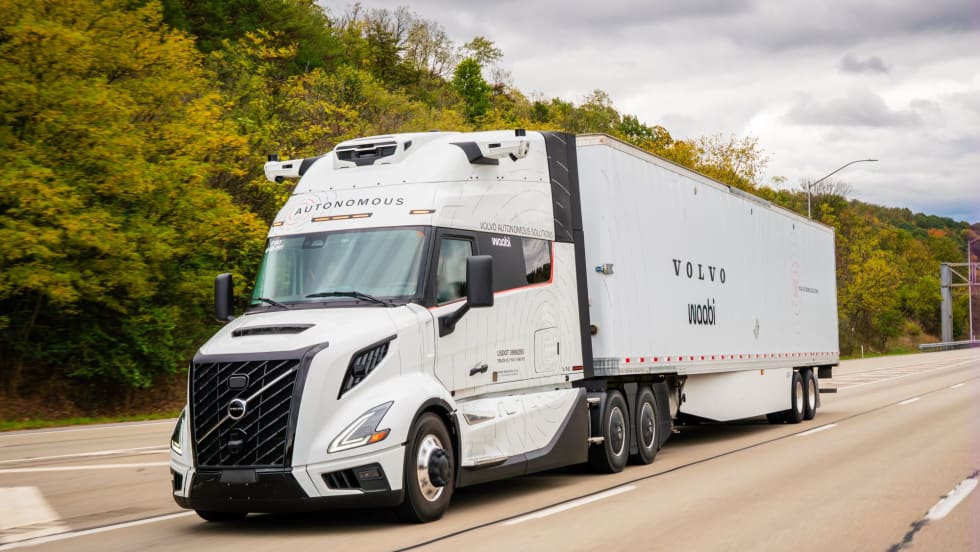
Volvo, Waabi Start Commercial Autonomous Operations in Texas
Volvo VNL Autonomous trucks, powered by the Waabi Driver, are hauling freight directly to third-party facilities for a customer in Texas.
Read More →