


 MENU
 SEARCHMENUSEARCH
Loading data...

Anticipation of 2010 emissions regulations could cause fleets to pre-buy equipment, but that might only weaken the market.
Read More →


FedEx announced more than 2 million miles of revenue service for its existing hybrid-electric truck fleet and plans to buy 75 more.
Read More →According to FTR Associates, a leading transportation research firm, truck industry capacity is expected to remain tight through 2006 and 2007.
Read More →Driver turnover at large truckload fleets fell by a significant amount in the first quarter of 2016, reflecting the softer freight economy this year.
Read More →Solar power makes sense for many commercial trucks, and in many applications, an investment in the right equipment can be paid back in roughly three years, says the North American Council for Freight Efficiency in its latest Confidence Report.
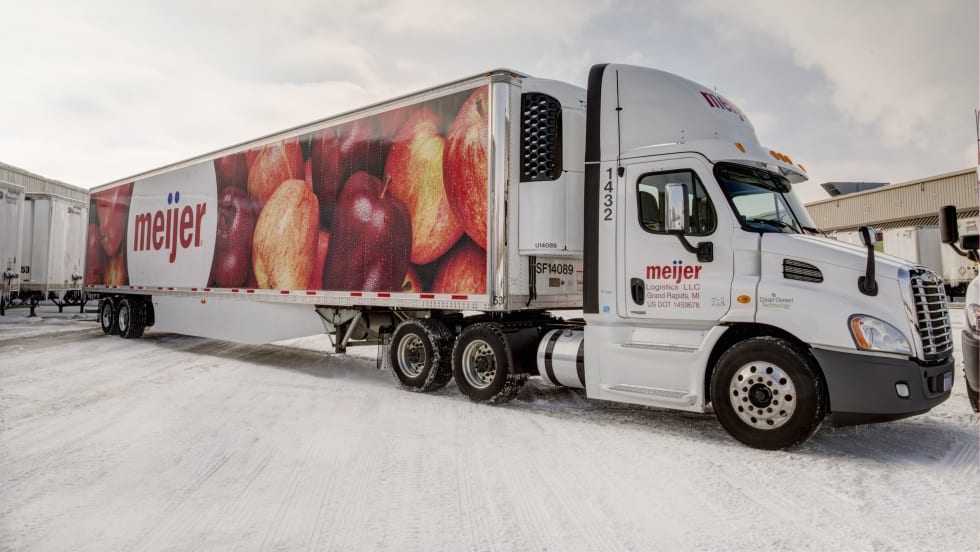
Read More →David Hoover, director, outbound Logistics for Meijer, is constantly looking for ways to be more efficient, whether it's more fuel-efficient engines or eliminating empty backhauls. Meijer finished converting its 170-truck fleet of regional daycabs to the 2010 engines last fall, enjoying a 5% increase in fuel economy. Last year the fleet started trading some of those in for the latest EPA/NHTSA 2014 engines in the Freightliner Cascadia Evolution. The new trucks are showing a 12% improvement in fuel economy over the ones they replaced. Read more here.
Read More →As trucking staggers into the fourth year of the lingering trough, drivers’ mileage pay has been showing surprising slow-but-steady upward movement since late 2024, but pay gains remained restrained by market malaise.
Read More →Next week is National Truck Driver Appreciation Week (Aug. 22-28) when the nation’s three million professional truck drivers get a nationwide pat on the bac
Read More →The ability of fleets to deliver their loads to the right place at the right time is more important than ever to the economy, but last-mile routing remains a huge challenge.
Read More →Cummins Inc. announced Friday that it will reduce its professional workforce worldwide by at least 500 employees - or approximately 3.5 percent - by the end of 200
Read More →