


 MENU
MENU SEARCHMENUSEARCH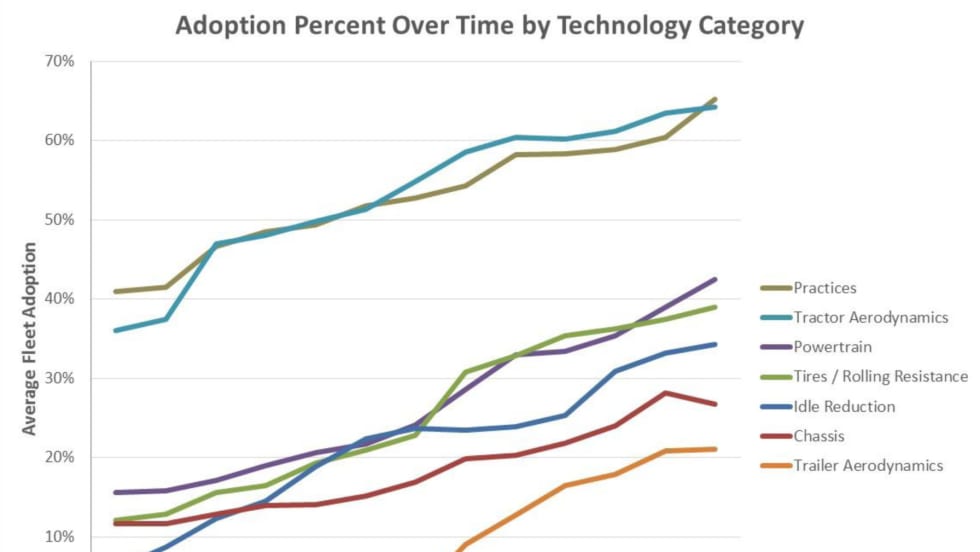
Seventeen fleets operating more than 62,000 tractors and 217,000 trailers saw a 3% increase in fuel economy in 2015, saving an accumulative $501 million on fuel when compared to the 2015 national average fuel spend of 1.7 million over-the-road Class 8 trucks.
Read More →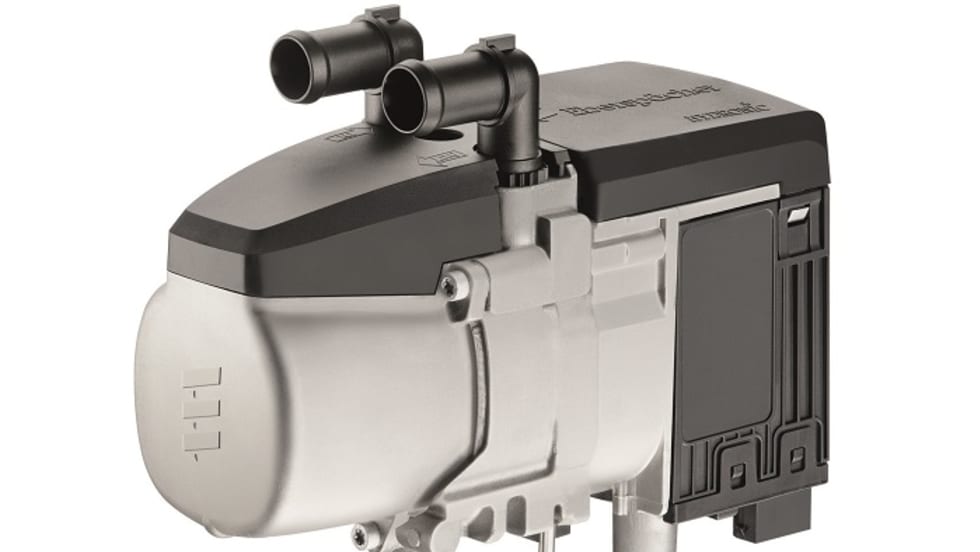
Eberspaecher’s Hydronic S3 Economy (5kW) engine pre-heater is a compact system designed for flexible installation in sleeper, work truck, day-cab, off-highway, construction and municipal vehicle applications.
Read More →
The federal government released highly anticipated "Phase 2" greenhouse gas/fuel economy rules for medium and heavy-duty vehicles Tuesday, which in some ways go further than the original proposal unveiled last year.
Read More →
Kenworth will extend its T680 fuel economy Advantage package into vocational applications soon with the launch of two new, T680 Advantage Day Cab models,, but will cut production of the T660 by the end of the year.
Read More →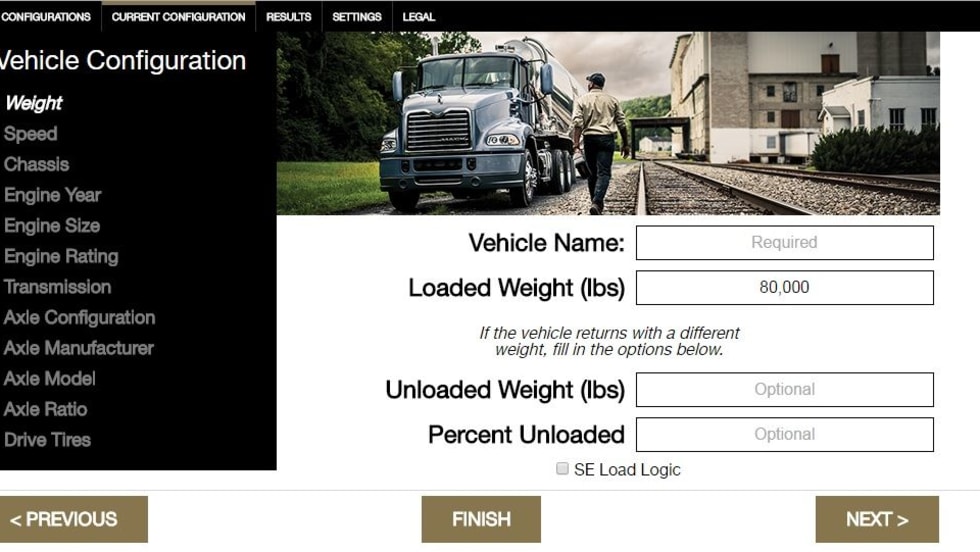
Mack Trucks has created a new online fuel economy tool that allows Mack customers to configure Pinnacle trucks and evaluate fuel efficiency potential on specific routes.
Read More →
Both trucking and the wider economy added jobs in July, according to new Commerce Department figures, while separate reports show the U.S. trade deficit grew in June to a one-year high and new factory orders fell again.
Read More →Hopes that the American economy picked up a good head of steam in the second quarter of the year were quickly dashed on Friday following numbers being issued by the U.S. Commerce Department.
Read More →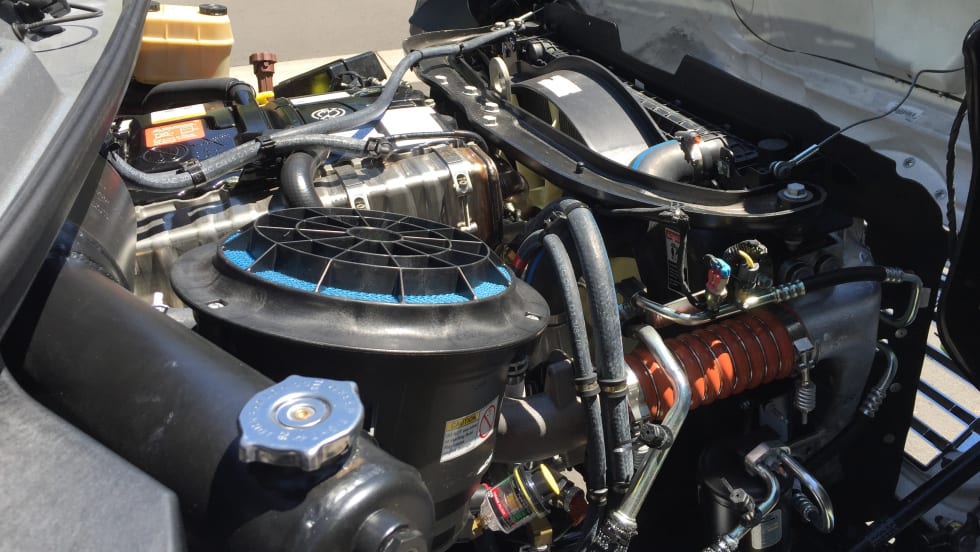
Daimler Trucks North America's new Detroit DD5 engine will begin production in October. The four-cylinder engine offers several benefits over competitive medium-duty engines, including maintenance intervals, fuel economy and durability.
Read More →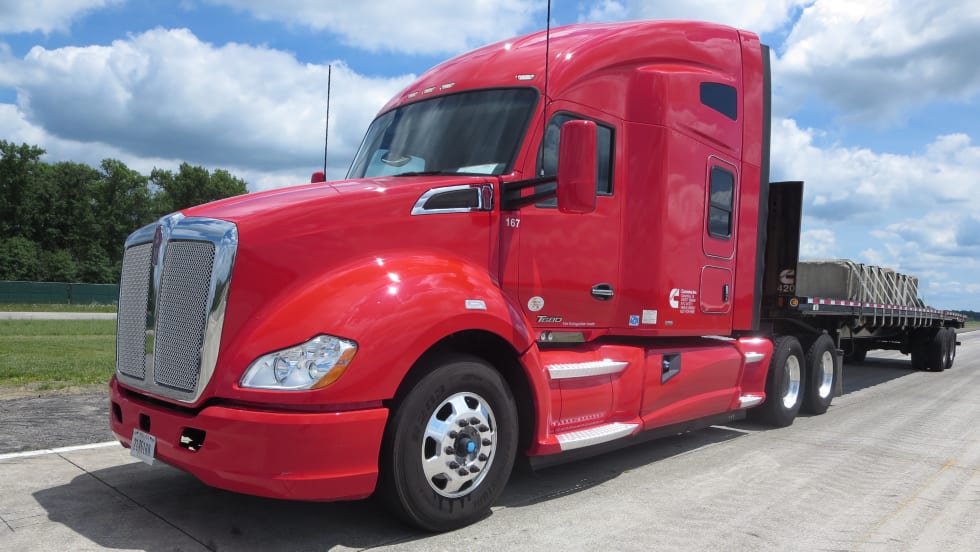
Cummins officials say their next-generation X15 heavy-duty diesel series will offer new value through economy, performance, reliability and support when it replaces existing ISX15 models in January 2017. A year later, a new X12 will supersede the current ISX12.
Read More →A jump in retail sales and industrial output are just two of several economic indicators released Friday showing the economy is performing at least somewhat better, but there are still some lingering concerns.
Read More →