


 MENU
 SEARCHMENUSEARCH
Loading data...
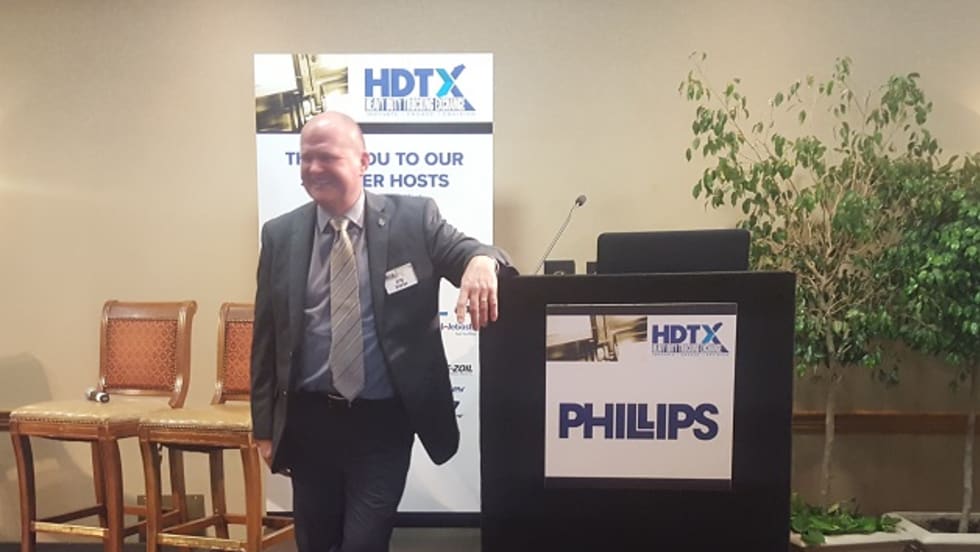
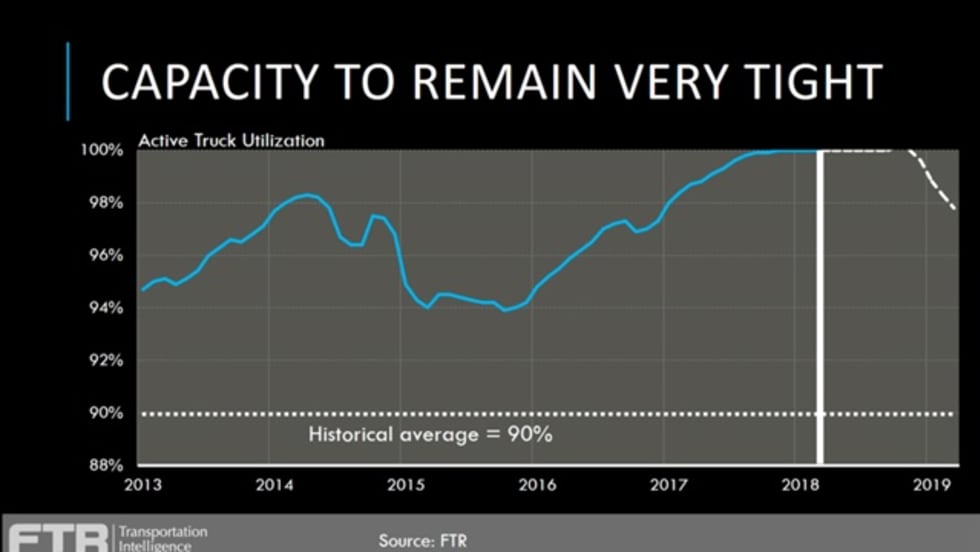
Mixed economic signs aside, trucking will remain strong for the remainder of the year, FTR economist Eric Starks told attendees at HDT's Heavy Duty Trucking Exchange event in Scottsdale, Arizona.
Read More →




April trailer orders are projected to decline as much as 20% compared to the previous month, following seasonal ordering patterns, according to a preliminary report from FTR Intelligence.
Read More →Although the April 1 start to “hard enforcement” of the electronic logging device mandate does not seem to have had a huge effect on trucking capacity (except perhaps in flatbeds), there are a number of other factors that are working to keep capacity tight and rates high, likely at least until late this year, according to FTR.
Read More →Early reports are showing that heavy-duty truck orders likely dropped as much as 12,000 units from March to April, but despite that being the largest single-month decline since 2011, analysts are still calling the market for Class 8 equipment hot.
Read More →FTR’s Trucking Conditions Index for February hit its highest reading ever, reflecting an unmatched positive environment for carriers.
Read More →Early reports from FTR on trailer order activity for March show that while orders declined by 16% from the month before, they remain historically strong.
Read More →Noël Perry, Truckstop.com’s chief economist and former analyst for FTR Transportation Intelligence, has launched a new website called Transport Futures that will serve as a platform to share industry insights.
Read More →Trailer orders are expected to hit 32,000 units in February, a number that, if it holds true, would be a record for that month, according to preliminary reports from FTR.
Read More →FTR has increased its Class 8 and trailer order forecasts as a result of increased demand for equipment caused by what the research firm calls a "capacity crisis."
Read More →Class 8 truck orders have surpassed expectations in February, at 40,200 units for the month, according to preliminary reports from FTR and ACT Research.
Read More →