


 MENU
MENU SEARCHMENUSEARCH
Loading data...

Today, fleets have an alternative to on-site rooms full of computer servers – using a hosted environment for your computing needs, known as cloud computing. In the cloud computing environment, the servers are maintained by a third party (or maybe your enterprise software vendor) and fleets access applications and data via a web interface.
Read More →


Most large fleets have extensive experience with telematics: GPS location and mobile communications systems that collect data and communicate it back to a server where the fleet can access the information. As the amount and kind of data has increased in recent years, fleets have adopted tools to make sense of all that information and use it across their operation.
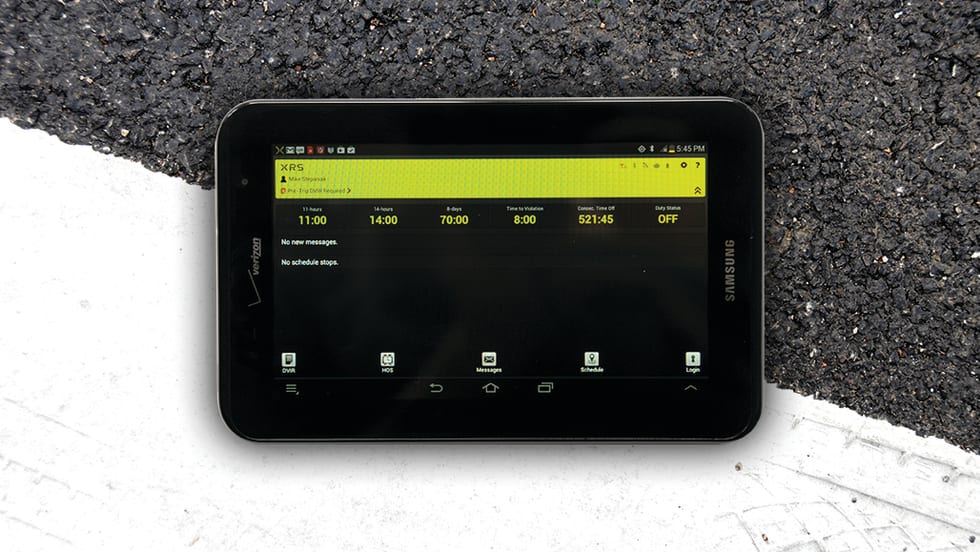
Read More →Mobile computing is quickly becoming the platform of choice. Tablets and smartphones are far outselling laptop or desktop computers in the consumer market, and a growing number of trucking operations are deploying these devices.
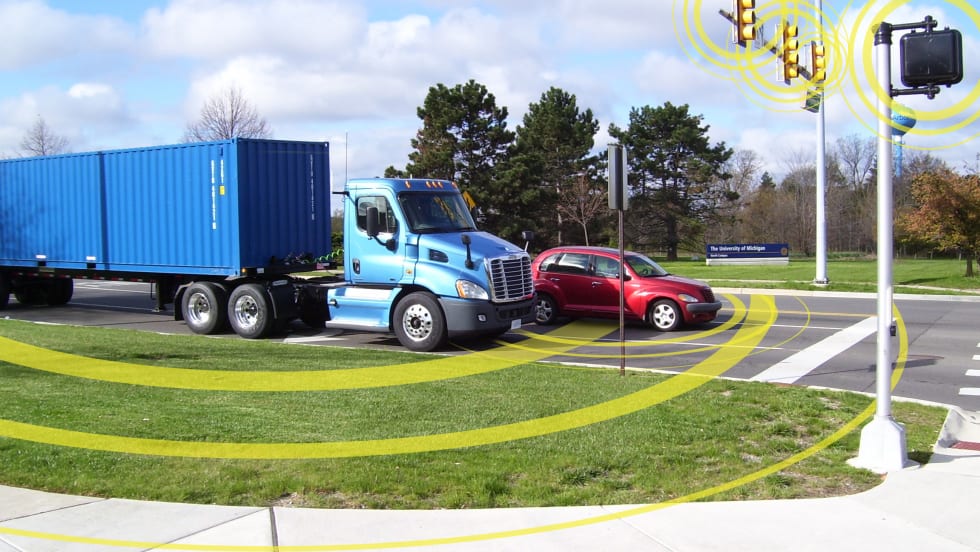
Read More →Intelligent highways, smart vehicles, connected transportation systems – sounds like the stuff of the future. In reality, though, many technologies currently found on our roadways reflect that future. In many cases they will be integral components of an intelligent transportation system. And the most important piece of technology might be the one most everyone now carries in their pocket, purse or backpack.
Read More →Fleet managers can learn new things about their operations by analyzing everything from accidents to wait times.
Read More →Truckstop operators have always used technology to meet customer needs and remain competitive. From relatively low-tech devices such as pay phones and fax machines to high-tech services such as wireless Internet access, shore power connections and smart phone apps, truckstops remain places drivers can connect — with both the office and home.
Read More →Volvo Trucks in North America announced it has entered into memorandums of agreement with both Telogis and Trimble to develop future fleet management services. Both companies are providers of onboard fleet management and location intelligence services.
Read More →Cloud computing has been getting a lot of attention in the information technology space. Before you put your head in the cloud, though, there are some things you should understand about the concept of cloud computing
Read More →