


 MENU
MENU SEARCHMENUSEARCH
Loading data...
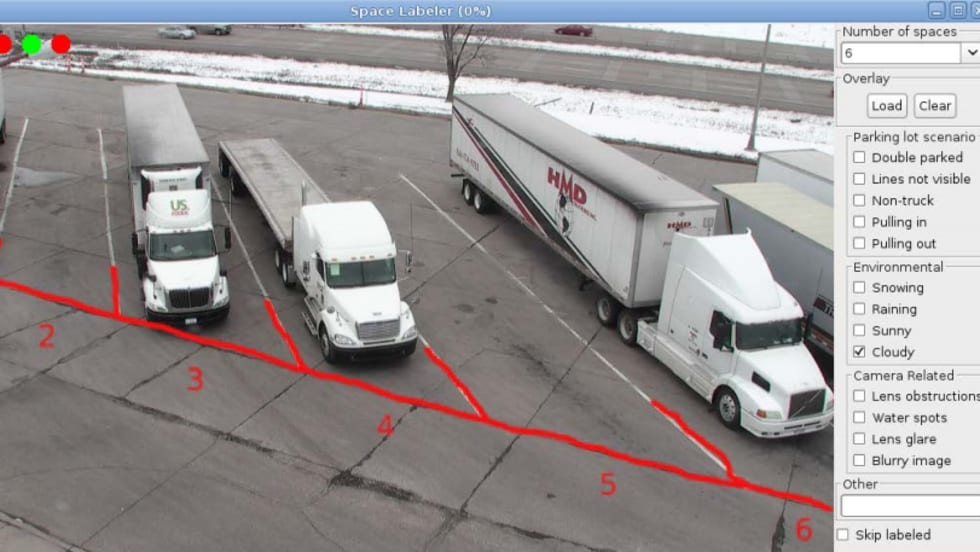
The American Transportation Research Institute has posted two new truck parking studies on its website that use different methods to track available capacity.
Read More →





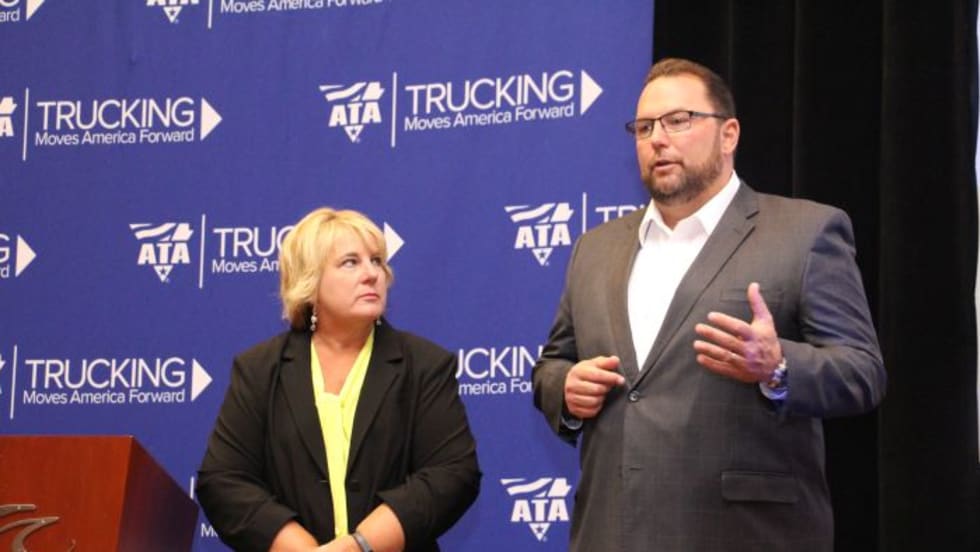

The American Trucking Associations has commissioned the American Transportation Research Institute to examine and quantify the trucking industry’s various charitable efforts.
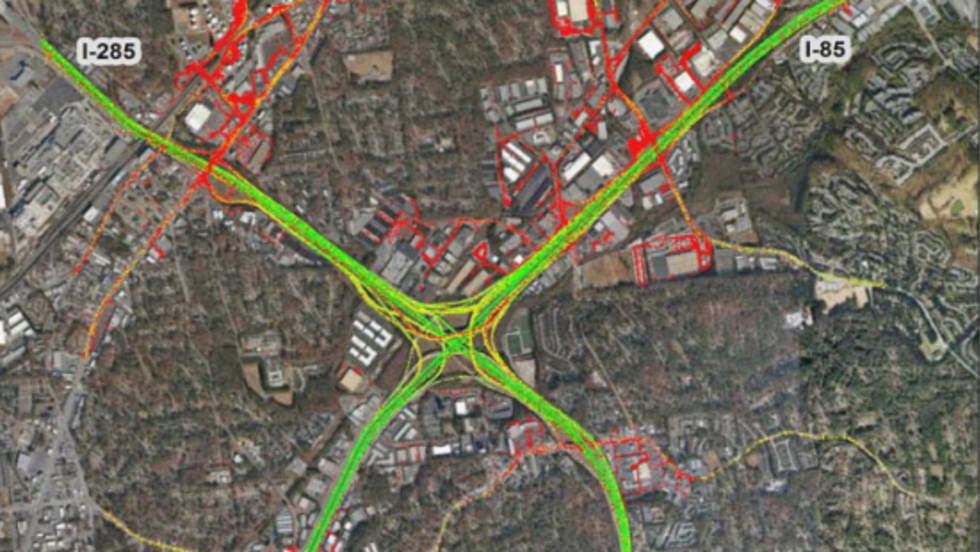
Read More →Atlanta’s Spaghetti Junction has again topped the American Transportation Research Institute’s Top Truck Bottleneck List, which tracks the 100 most congested sections of American roads for the trucking industry.
Read More →Truck parking availability is a top concern of the trucking industry and ATRI highlighted the anxiety that truckers feel through its Truck Parking Diary research findings.
Read More →Hours of service, CSA scores and the driver shortage are all areas identified as being impacted by autonomous vehicle technology in a new report from the American Transportation Research Institute.
Read More →ATRI has conducted a survey of nearly 100 fleet managers and representing over 114,500 trucks to examine fuel economy and fuel usage among fleets of different sizes and needs.
Read More →The American Transportation Research Institute has appointed David S. Congdon, vice chairman and CEO of Old Dominion Freight Line, and Robert E. Lowt, president and CEO of Prime, to its board of directors.
Read More →ATRI is still looking for carrier and driver participation in a set of surveys it launched with the Mayo Clinic on the impact that the National Registry of Certified Medical Examiners has had on the DOT medical exam process.
Read More →LAS VEGAS -- The American Transportation Research Institute unveiled its top industry issues report showing that the looming implementation of the ELD Mandate is the top concern of carriers and drivers.
Read More →ATRI released the findings of its 2016 update to its Operational Costs of Trucking, showing the large impact falling fuel prices and a soft economy have had on the trucking industry.
Read More →