




Study Sees Natural Gas Vehicles Gaining Traction
Adoption of natural gas fuel by trucking fleets is approaching a critical threshold, which ultimately could lead to enormous gas demand growth at the expense of diesel fuel, says an energy market consulting firm in a new study. However, that's assuming that a number of hurdles are removed, especially for adoption in Class 8 highway trucks
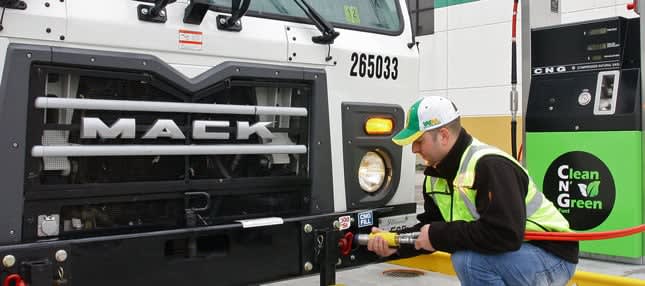
Adoption of CNG by fleets such as Waste Management is driving natural gas adoption to a tipping point, study says.
Adoption of natural gas fuel by trucking fleets is approaching a critical threshold, which ultimately could lead to enormous gas demand growth at the expense of diesel fuel, says an energy market consulting firm in a new study. However, that's assuming that a number of hurdles are removed, especially for adoption in Class 8 highway trucks.
PIRA Energy Group, a NYC-based energy market consulting firm, released a report that addresses both medium- and longer-term natural gas prospects in the U.S. transportation fuel market. PIRA says the sheer volume of U.S. recoverable gas resources relative to expected demand suggests that benchmark Henry Hub natural gas prices will remain deeply discounted relative to oil prices beyond this decade. The lower prices are driving fleets commercial trucking, corporate and government fleets to move to the cheaper alternative.
The lengthy period of low-cost natural gas relative to oil has tremendously broadened support for the view that inexpensive North American gas is here to stay, says the group.
PIRA's report concludes that future gas demand in such NGVs has enormous upside potential, led by private sector initiatives, with or without federal government assistance.
In an overall "high case" scenario, NGV gas demand would be capable of reaching 14 billion cubic feet per day by 2030, suggesting that as much as 2.4 million barrels per day of diesel fuel demand could be at risk, says the report. Liquefied natural gas used in Class 8 trucks would be responsible for approximately 70% of that total, while fleet vehicles using compressed natural gas would account for the rest.
The group notes, however, that the "high case" scenario could be adversely affected by infrastructure hurdles, technological uncertainties, and other issues -- especially the heavy trucking fuel scenario.
That's why PIRA's Reference Case forecasts natural gas will capture a more moderate, but also impressive, 7 billion cubic feet per day share of the U.S. on-highway transportation fuels market by 2030. This scenario marks down Class 8 truck natural gas demand by almost two-thirds to 3.6 BCF/D -- but for fleet vehicles using CNG, it pegs natural gas demand at 3.4 BCF/D in 2030, or only 15% below the high case, which underscores less complex hurdles in these fleets.
PIRA notes that a high degree of NGV visibility and share of new orders in the public transit and refuse market are standout examples of CNG vehicle growth taking root.
Widespread LNG adoption for Class 8 trucking faces a number of stumbling blocks.
For starters, the market needs to build a consumer base for trucks that are not yet built, and that also lack a viable fueling infrastructure.
"The interdependence of these prerequisites leads to the conundrum of how to move forward in a way that all necessary steps can move together," notes the company in a news release. "Although the timing remains quite speculative, the private sector appears to be responding to this challenge without help from the federal government, which previously looked essential."
The success of natural gas marketers' efforts to sell natural gas for trucks will be a driving force for both the sale of Class 8 trucks, as well as the capital investments for building the required fueling infrastructure. "When regional markets reach a critical consumer base threshold, the build-out of LNG fueling infrastructures can move forward," PIRA notes.
Another pivotal building block will be the ability of manufacturers to produce and sell LNG trucks capable of satisfying the wide-ranging needs of commercial trucking. Currently, available LNG truck engine options lack medium-size engines that can compete effectively with diesel engines. But the Cummins / Westport Innovations (CWI) joint venture is scheduled to make available a 11.9-liter natural gas engine that can run LNG in early 2013.
"The implied payback period associated with this midsize LNG truck appears likely to generate high consumer interest," PIRA says.
Learn more about natural gas in our special web section, "Natural Gas: What Fleets Need to Know."
More Drivers
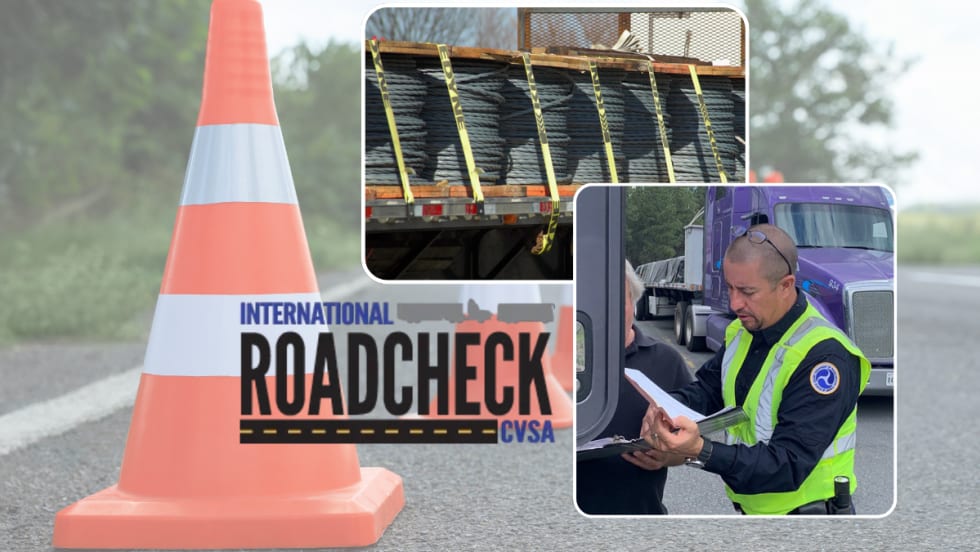
Medical Cards, English Proficiency Reshape Roadcheck Violations
Medical-card violations jumped to the top of the driver out-of-service list during CVSA’s 2026 International Roadcheck, while English-language proficiency violations appeared among the leading violations for the first time.
Read More →
Driver Trust Can Make or Break the Success of Fleet Safety Technology
New Teletrac Navman research suggests that onboarding, transparency about driver data, and positive feedback can play a significant role in how commercial drivers respond to safety and coaching technology.
Read More →
EEOC Sues KLLM Over Alleged Sex Discrimination in Driver Training
KLLM is facing a federal sex-discrimination lawsuit over policies the EEOC alleges put female truck driver trainees at a disadvantage.
Read More →
FMCSA Moves to Codify English Language Requirements for Commercial Drivers
By changing regulations on English-language proficiency requirements for commercial drivers, rather than relying on a guidance memo, the FMCSA said future administrations won't be able to walk back the Trump administration's stricter enforcement with just a memo.
Read More →
Drivers Put Western Star Trucks to the Test at Star Nation Experience
Watch to get an inside look at the Western Star trucks, technology, and community behind the Star Nation Experience 2026!
Read More →
Trump Administration Looks to Put More Veterans Behind the Wheel
The Freedom Haulers program pulls together existing and expanded programs at several federal agencies to recruit veterans to drive commercial heavy-duty trucks and cut the red tape for them to get a CDL, training, and employment.
Read More →
Putting Mack’s Command Steer to the Test
A test drive of Mack’s Command Steer active steering system evaluates how it can make truck driving easier and less tiring.
Read More →
Competition Heating Up for Truck Drivers
New report reveals rising driver hiring costs, the return of sign-on bonuses, growing AI advantages, and the operational factors shaping driver retention.
Read More →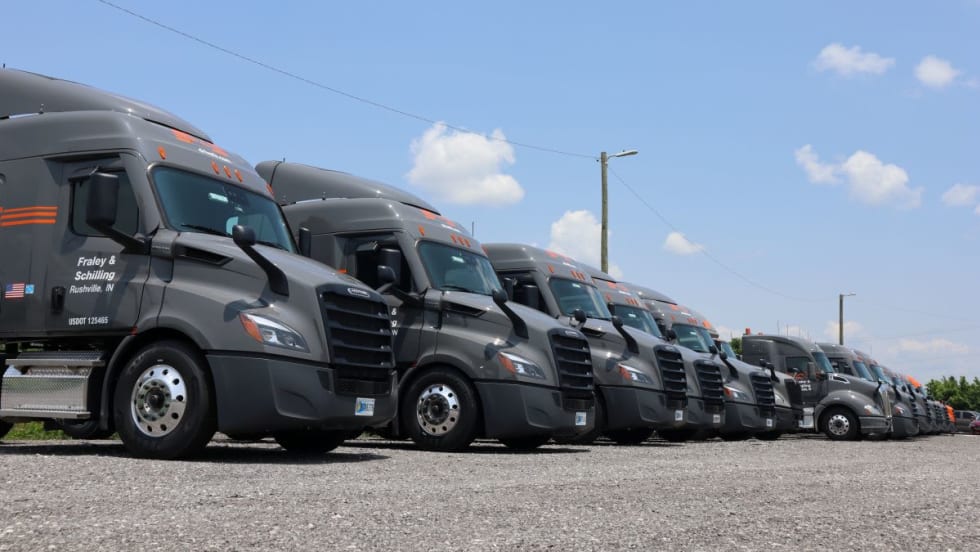
How Fraley & Schilling Improved Logbook Compliance by Over 50%
Fraley & Schilling needed a way to close a compliance workflow gap in its ELD system without adding more work from driver training, reminders, and back-office follow-ups. It found the answer in a custom driver app.
Read More →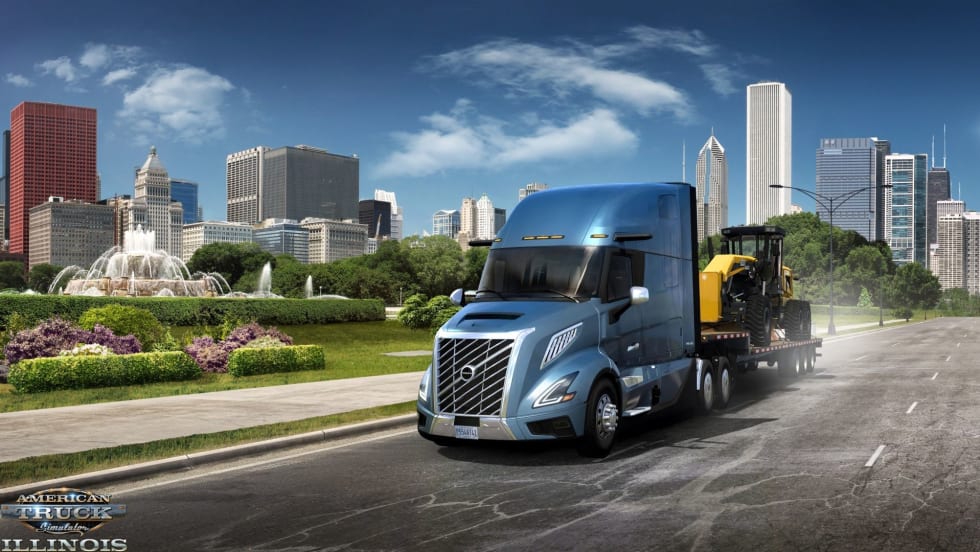
Volvo Goes Gaming
Volvo has roared into American Truck Simulator with two new flagship trucks.
Read More →