




States Use Technology and Smart Solutions to Battle Winter Weather
Winter does not officially begin until Saturday, however state transportation departments have been working hard to remove snow and ice from the nation's roadways for weeks.
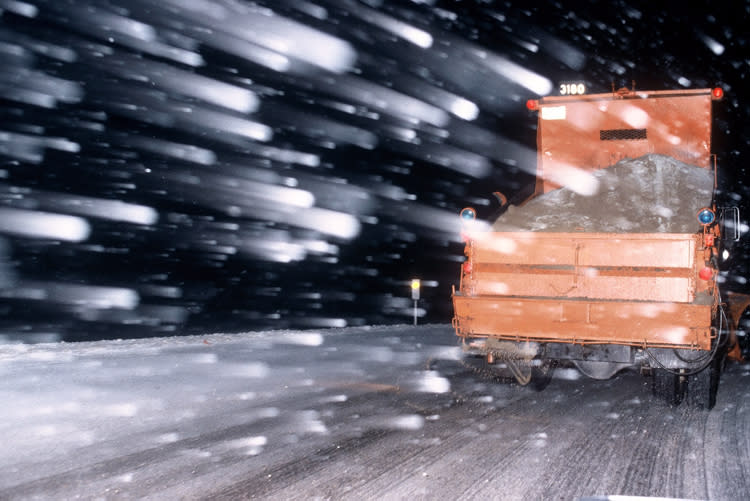
Photo courtesy of MnDOT
Winter does not officially begin until Saturday, however state transportation departments have been working hard to remove snow and ice from the nation's roadways for weeks.
Patterns of severe weather can drive up costs and challenge state DOTs to maintain a high level of service without the benefit of additional financial resources. High-tech solutions like GPS guidance systems and low-tech products like potato juice are helping states to cut costs, improve efficiency, and minimize environmental impacts.
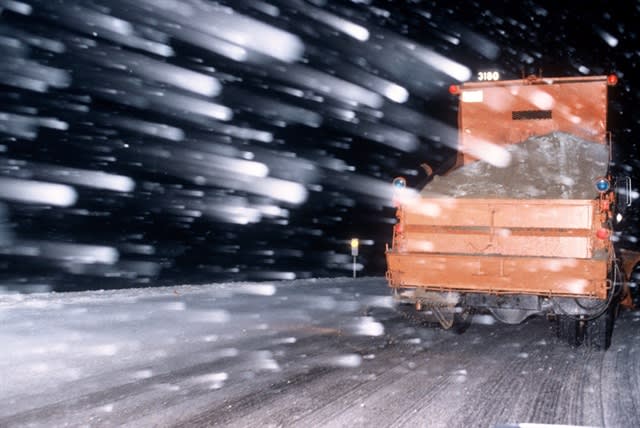
Photo courtesy of MnDOT
"New technologies are being tested and implemented by state DOTs every day," says Mike Hancock, AASHTO president and secretary of the Kentucky Transportation Cabinet. "State transportation officials are turning to proven solutions to do their jobs faster, better and smarter. The following examples are just a few of the many ways states are keeping people and goods moving safely, this winter."
The Alaska Department of Transportation and Public Facilities uses a variety of advanced technologies to combat extreme winter weather. This year, ADOT&PF became one of the first agencies in the country to deploy an icebreaker. The device, which attaches to the front of maintenance truck, uses a steel drum with spikes to break up ice and expose asphalt. The device, which can be raised and lowered like a snow plow blade, turns smooth ice on top of roadways into a rough surface that provides better traction for vehicles.
The Nevada Department of Transportation is involved in a multi-state "Integrated Mobile Observation" demonstration project headed by the Federal Highway Administration. The project equips 20 NDOT plows and trucks to collect weather and vehicle data, essentially creating a mobile weather reporting station that reports current road conditions via radio rather than cell phone signal for more dynamic and reliable road updates and winter operations in rural areas.
The Utah Department of Transportation recently expanded its LiveView Technologies road condition monitoring camera network to more than 100 remote locations throughout the state. The solar-powered system uses state-of-the-art low-cost web cameras, high speed wireless communication, and infrared sensors to broadcast video from distant mountain passes or other problem areas. Live streaming video is now shared with road users through UDOT's Commuter Link website and mobile applications. Today, instead of sending a snow plow to investigate a location, supervisors can take a quick look and decide whether an area needs to be plowed.
"We have saved about $500,000 using this system over the last three years," said Lynn Bernhard, UDOT Winter Operations Program Manager.
The Maryland State Highway Administration is this winter expanding its fleet of dual-wingplows. Standard snow plows can clear only 9 feet of roadway at one time. Dual-wingplows can do the work of three standard plows, clearing up to 24 feet of roadway, or two full highway lanes, in one pass. The plow was the brainchild of SHA Shop Chief Steve Henry, who began his career with the agency driving snow plows in 1972. Henry still works for the agency. While many snow plows include a "wing" blade on the side in addition to the plow on the front of the truck, SHA's versatile new plow has two 12-foot wings - one on each side - and can use one, two, or all three in different combinations.
This winter, the Tennessee Department of Transportation will use a substance called "Magic Salt" to help melt ice and snow during lower temperatures. Magic Salt, made from potato juice, is a biodegradable, non-corrosive, and environmentally friendly substance. TDOT is also using tow plows, which are attached to the back of traditional snow plows and allow drivers to clear an additional travel lane in one pass.
This season, the California Department of Transportation is using a new tow plow on Interstate 80's rugged Donner Pass. The tow plow swings out from behind a traditional snow plow to clear snow from two lanes of traffic. It can also apply brine solution to prevent black ice before and after a storm. For California's motorists, Caltrans' new QuickMap app shows up-to-the-minute chain control information. Check it out at http://quickmap.dot.ca.gov.
ADOT&PF also uses advanced technology to keep its snow plows on the road and operating during whiteout conditions. The department uses a state-of-the-art High Accuracy Differential Global Positioning System on several of its snowplows and snow blowers, which provides the operator with a virtual view of the highway. Road crews can now clear snow in zero visibility conditions while avoiding guardrails, bridge approaches, traffic signs, and other roadside infrastructure.
The Idaho Transportation Department has introduced a new enhancement to its 511 Traveler Services system, opening the door to two-way communication about winter highway conditions. Those who register on the IDOT system and choose specific routes of preference now have the ability to report on roadway conditions they encounter during their travels. It's a form of "crowd sourcing" to make IDOT's 511 road condition reports even more timely and accurate.
ADOT&PF also uses the Enhanced Maintenance Decision Support System; a new technology being deployed this winter which turns ordinary maintenance vehicles into mobile weather stations. Using cell phone signals, the specially equipped trucks automatically relay real-time road surface weather conditions. The weather data is used in conjunction with roadside weather cameras to enhance winter maintenance decisions and deploy methods best suited for current weather conditions. The department is also exploring installing mobile forecasting units on both private industry and public vehicles such as school buses and commercial trucks.
State DOTs are also encouraging motorists to do their part to keep roads clear and drivers safe. When major storms are forecast, drivers should visit state DOT websites for the latest traveler information. Most states also offer 511 telephone information lines and Twitter alerts. Citizens also should plan to stay off the roadways during major snow events to give more room to the plow trucks. They should also keep a set of chains in their vehicle and install them when necessary for adequate tire traction. Motorists should also carry an emergency kit with items like water, food, blankets, a battery operated radio, a portable shovel, ice scraper, road flares, and a flashlight.
More Drivers

Platform Science Adds Dispatch and Safety Tools
Four additions to PS Fleet help fleets monitor loads, manage driver coaching, share truck locations and adjust video system settings.
Read More →
When Language Stops the Truck: The Return of ELP Out-of-Service Orders
English language proficiency rules for commercial drivers aren’t new, but renewed out-of-service enforcement has raised the stakes. Here’s what carriers need to know before a driver reaches a roadside inspection.
Read More →
Samsara Launches Custom AI Agent Builder
Agent Studio lets fleets create AI tools for hours-of-service monitoring, reporting and driver support, including agents that communicate by phone.
Read More →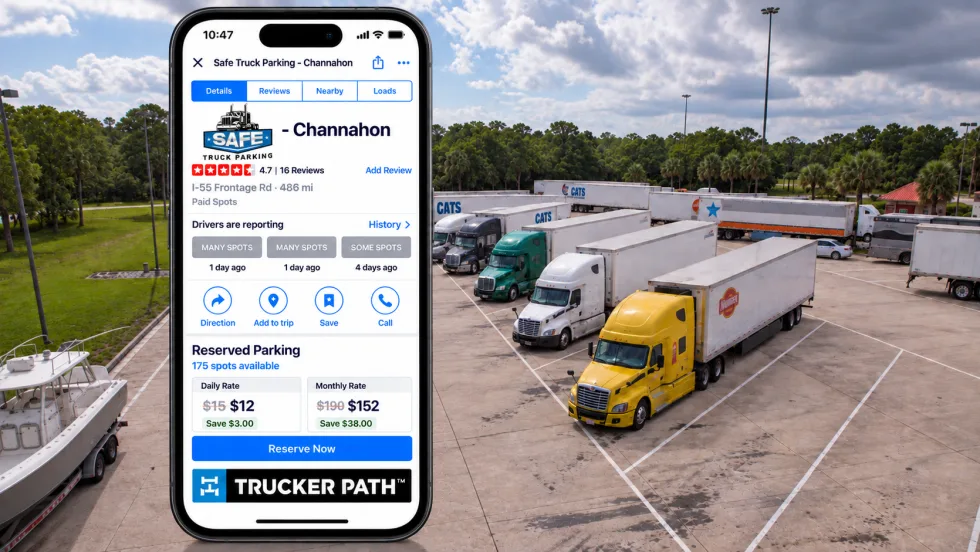
Trucker Path Expands Reserved Parking Network
Trucker Path has added close to 6,000 more truck parking spaces to its Trucker Path Reserved Parking Network with the addition of Safe Truck Parking.
Read More →
EEOC Sues Texas Trucking Company Over Driver Age Limits
The agency says Trancasa USA rejected applicants over 65 and applied tougher driving-record standards to those over 60.
Read More →
Nussbaum, Roehl Announce Second Driver Pay Increase This Year
This year has seen a swath of major truck driver pay increases as freight capacity has tightened.
Read More →
From One Generation to the Next: How Mentorship Builds Safer Truck Drivers
After three decades in trucking, Harold Perry shares what he's learned about driver safety, mentorship, and helping the next generation build confidence behind the wheel.
Read More →
Truck Drivers Need More Than Another Alert
Fleets have more visibility into truck health, safety events, and driver activity than ever. The next challenge is turning all that information into useful guidance for the person who has to decide what to do next.
Read More →
FMCSA Removes 110 Truck Driver Training Schools from Certified ELDT List
Federal regulators also are targeting more than 160 additional training providers and launching a nationwide audit of third-party CDL skills testers as part of a broader crackdown on trucking fraud.
Read More →
Hours of Service Pilot Programs: FMCSA Readies for 2027 Rollout
Two pilot programs could eventually reshape hours-of-service rules, giving truck drivers options to pause their 14-hour clock or use longer split sleeper rest periods.
Read More →