




Increasing Number of State, Local Governments Order People to Stay Home
In response to the COVID-19 pandemic, an increasing number of state and local governments have issued orders restricting public gatherings and even told residents to "shelter in place." Trucking, defined as essential by the federal government, is not subject to these orders.

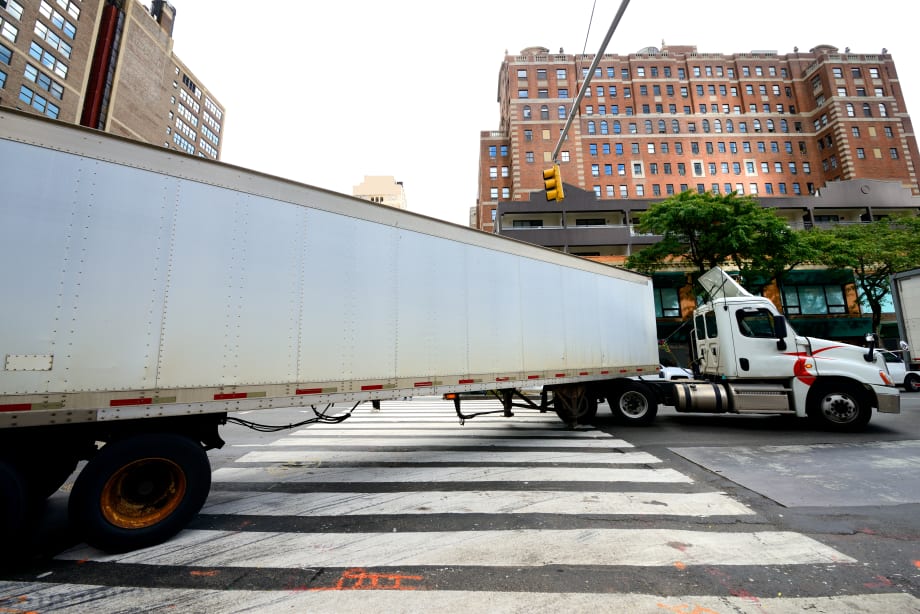
More cities and states are issuing shutdown/shelter in place oriders as the COVID-19 virus continues to spread.
Photo: IStock/Getty Images
More and more states are issuing stay-at-home or shelter-in-place orders to help mitigate the spread of the COVID-19 virus. Truckers, however, are now considered essential “wartime” workers, and are largely except from these orders.
The Department of Homeland Security, in Guidance on the Essential Critical Infrastructure Workforce issued March 19, includes "employees supporting or enabling transportation functions" in its list of essential industries that it says state and local governments need to keep in mind in enforcing COVID-19 restrictions in their jurisdictions. It does note that the list is advisory in nature and not an actual federal directive.
Here are the latest rounds of city and state closures as of March 23:
Late on March 23, Maryland Gov. Larry Hogan issued an order closing all non-essential businesses in the state. The order, which takes effect at 5 p.m. March 23, does not include essential or critical industries as defined by the federal government: health care, law enforcement, emergency workers, food, energy, water, transportation, public works, communications, government, critical manufacturing, financial services, chemicals and defense. Restaurant carryouts, liquor stores and day care centers can remain open.
Gov. Ned Lamont announced a “Stay safe, stay at home” policy for Connecticut, telling all non-essential businesses and not-for-profit entities to stay closed for an indefinite time period, beginning at 8 p.m. on Monday, March 23.
Delaware Gov. John Carney ordered residents to stay at home and closed nonessential businesses in the state starting Tuesday, March 24, at 8 a.m.
Kentucky Gov. Andy Beshear ordered 'nonessential' businesses to close March 23, beginning at 8 p.m.
Louisiana Gov. John Bel Edwards imposed a statewide stay-at-home order, effective 5 p.m. Monday, March 23.
Ohio imposed a statewide stay-at-home mandate, effective 11:59 p.m. Monday, March 23, Gov. Mike DeWine announced.
In Massachusetts, Gov. Charlie Baker ordered all non-essential businesses to close effective noon Tuesday, March 24. The governor also announced Monday that he and state health officials are issuing a stay at home advisory for the residents of Massachusetts. Both will remain in effect until April 7, according to news outlets in the state.
Michigan Gov. Gretchen Whitmer issued a stay at home order that takes effect at 12:01 a.m. on March 24, for at least the next three weeks. While this order is in effect, Michigan residents may only leave their homes and residences under very limited circumstance and must adhere to social distancing rules.
News reports also indicate Wisconsin Gov. Tony Evers is putting the finishing touches on a statewide order that will close all non-essential businesses and urges people to stay home to slow the spread of COVID-19. New reports in Wisconsin indicate the order will be announced on Tuesday, March 24.
Earlier Statewide Closure Orders
These closings come on the heels of other states issues similar shutdown orders late last week. These include:
California is one of the states hit hardest by COVID-19. Gov. Gavin Newson issued stay-at-home orders for the nearly 40 million residents in the state on Friday evening, March 20.
Illinois Gov. J.B. Pritzker’s stay-at-home order began Saturday afternoon, March 21, and is set to remain in place until an unspecified date in April. According to media outlets in the state, the order allow residents to grocery stores, put gas in their cars, take walks outside and make pharmacy runs.
On Saturday, March 21, New Jersey Gov. Phil Murphy signed an executive order telling all residents to stay at home until further notice. This order does have exceptions, such as obtaining essential goods, seeking medical attention, visiting family, reporting to work or enjoying outdoor activities. The order also mandates work from home arrangements when possible and prohibits all social gatherings
New York state Gov. Andrew Cuomo ordered all workers in nonessential businesses to stay home and banning gatherings statewide o Friday, March 20. The restrictions went into effect on Sunday, March 22. Under the order, all nonessential gatherings of individuals of any size or for any reason are canceled or postponed.
Nevada Gov. Steve Sisolak ordered the closure of all non-essential businesses on March 17.
Florida Gov. Ron DeSantis announced an executive order on March 17 to close all bars and nightclubs for 30 days.
Gov. Tom Wolf of Pennsylvania ordered the shutdown of all non-essential businesses on March 16.
North Carolina Gov. Roy Cooper ordered all bars and restaurants in the state to close on March 17.
Washington state was one of the first COVID-19 hotspots in the country. Gov. Jay Inslee announced a statewide closure of restaurants and bars in Washington starting on March 15 – one of the earliest in the nation.
Closure Orders for Large U.S. Cities:
Philadelphia – Stay at home order issued on March 22.
Washington, D.C. banned all gatherings of more than 250 people and closed all bars on March 15.
Dallas County, Texas, ordered issued a “shelter in place” order for all residents beginning at 11:59 pm on March 23. This decree is effect until April 3, although officials caution that it with the likelihood that it likely be extended well through the end of April.
In Missouri, St. Louis county and the city proper will enact stay-at-home orders that take effect Monday, March 23, at 6 p.m and will remain in effect for 30 days.
More Drivers

Truck Drivers Need More Than Another Alert
Fleets have more visibility into truck health, safety events, and driver activity than ever. The next challenge is turning all that information into useful guidance for the person who has to decide what to do next.
Read More →
FMCSA Removes 110 Truck Driver Training Schools from Certified ELDT List
Federal regulators also are targeting more than 160 additional training providers and launching a nationwide audit of third-party CDL skills testers as part of a broader crackdown on trucking fraud.
Read More →
Hours of Service Pilot Programs: FMCSA Readies for 2027 Rollout
Two pilot programs could eventually reshape hours-of-service rules, giving truck drivers options to pause their 14-hour clock or use longer split sleeper rest periods.
Read More →
Medical Cards, English Proficiency Reshape Roadcheck Violations
Medical-card violations jumped to the top of the driver out-of-service list during CVSA’s 2026 International Roadcheck, while English-language proficiency violations appeared among the leading violations for the first time.
Read More →
Driver Trust Can Make or Break the Success of Fleet Safety Technology
New Teletrac Navman research suggests that onboarding, transparency about driver data, and positive feedback can play a significant role in how commercial drivers respond to safety and coaching technology.
Read More →
EEOC Sues KLLM Over Alleged Sex Discrimination in Driver Training
KLLM is facing a federal sex-discrimination lawsuit over policies the EEOC alleges put female truck driver trainees at a disadvantage.
Read More →
FMCSA Moves to Codify English Language Requirements for Commercial Drivers
By changing regulations on English-language proficiency requirements for commercial drivers, rather than relying on a guidance memo, the FMCSA said future administrations won't be able to walk back the Trump administration's stricter enforcement with just a memo.
Read More →
Drivers Put Western Star Trucks to the Test at Star Nation Experience
Watch to get an inside look at the Western Star trucks, technology, and community behind the Star Nation Experience 2026!
Read More →
Trump Administration Looks to Put More Veterans Behind the Wheel
The Freedom Haulers program pulls together existing and expanded programs at several federal agencies to recruit veterans to drive commercial heavy-duty trucks and cut the red tape for them to get a CDL, training, and employment.
Read More →
Putting Mack’s Command Steer to the Test
A test drive of Mack’s Command Steer active steering system evaluates how it can make truck driving easier and less tiring.
Read More →