




Shell Debuts Fuel-Efficient Starship Concept Truck
Shell and Airflow Truck Company have debuted the full-size version of the company’s Starship Project truck - a concept Class 8 truck that maximizes fuel efficiency using a combination of custom and currently available technologies.
by Staff
March 6, 2018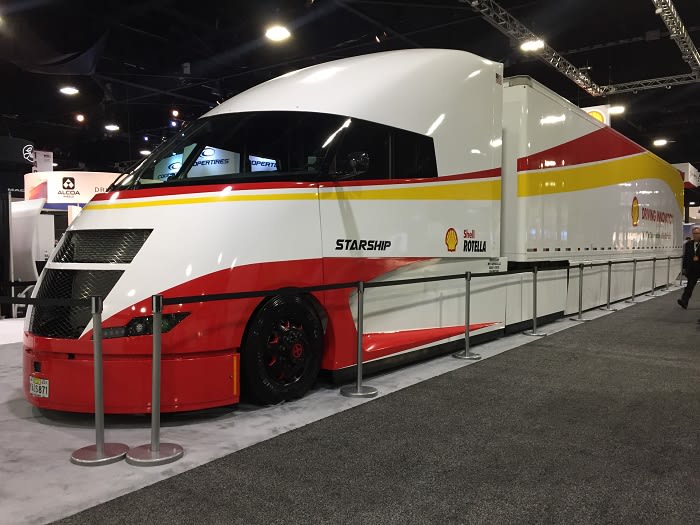
The Starship Project is a concept Class 8 truck that maximizes fuel efficiency using a combination of custom and currently available technologies. Photo: Deborah Lockridge
2 min to read

Shell and Airflow Truck Company have debuted the full-size version of the company’s Starship Project truck – a concept Class 8 truck that maximizes fuel efficiency using a combination of currently available technologies.
The long-teased Starship Project concept truck was finally unveiled at The Technology and Maintenance Council Annual Meeting in Atlanta. The project was first announced in 2015 and was designed by Bob Sliwa’s AirFlow Truck Company, which produces hyper-efficient commercial trucks.
“We seek projects such as the Starship initiative to keep Shell at the leading edge of technology development and energy efficiency,” said Bob Mainwaring, technology manager for innovation, Shell Lubricants. “The transportation industry is constantly changing, and our goal is to be at the forefront of innovation by collaborating with companies like AirFlow and others to develop creative solutions that provide benefits for years to come.”
The body of the Starship Project tractor is a custom-made aerodynamic design made of carbon fiber. This includes the side skirts, hood, and front end. A custom, Department of Transportation-approved wrap-around windshield was designed specifically for the truck. The trailer includes energy efficient features such as full side skirts to reduce drag and a 5,000-watt solar array on top of the trailer to power interior accessories and reduce the energy load.
The Starship is powered by a 2017 Cummins X15 Efficiency 6-cylinder engine with 400 horsepower and 1,850 ft.-lbs. of torque that has been paired with a transmission that has been calibrated to run at very low speeds, down to 800 rpm.
The truck also makes use of Shell’s low viscosity synthetic lubricants, running on the Shell Rotella T6 Ultra 5W-30, which is an API-FA-4 engine oil that has been formulated to provide better fuel economy, improved high and low temperature performance and meets the requirements for many low emissions engines.
It will also use a number of full synthetic Shell Lubricants products including Spirax S6 GXME 75W-80 transmission oil, Spirax S5 ADE 75W-80 differential oil and Spirax S6 GME 40 wheel hub oil. In addition, Shell Rotella Extended Life Coolant will provide excellent high-temperature protection and heat transfer. Shell Rotella Diesel Exhaust Fluid, a high purity diesel exhaust fluid, will also be in the truck.
More Fuel Smarts
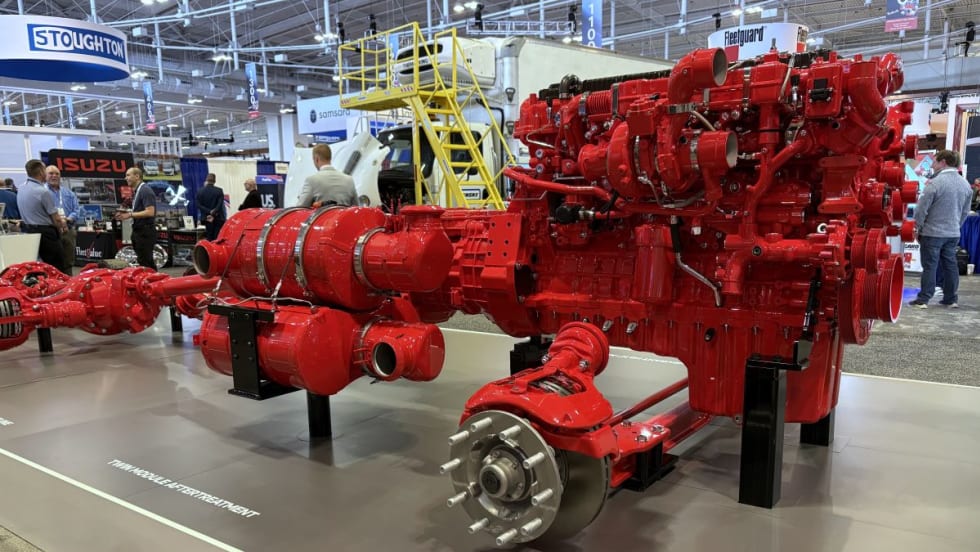
Cummins Adjusts 2027 Engine Rollout After EPA Proposal
The engine maker will gradually introduce its new Model Year 2027 diesel engines while continuing to offer current models during the transition, citing the EPA's proposed emissions rule changes.
Read More →
EPA Proposal Could Ease 2027 Truck Costs and Buying Uncertainty
The proposal doesn't change the tougher NOx standard, but it would revise key implementation requirements that manufacturers say have driven up costs and complicated fleet purchasing decisions.
Read More →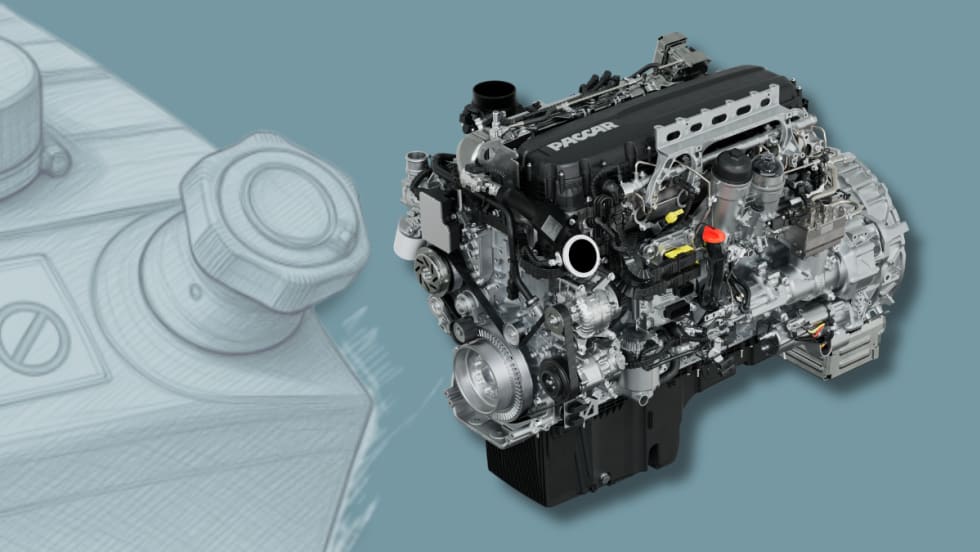
Cummins, Paccar Ease DEF Derates After EPA Guidance
Updated diesel engine software gives truck operators more time to address emissions-system issues while staying compliant with EPA emissions standards.
Read More →
Maintenance in the Messy Middle Part 3: Biodiesel
Biodiesel can reduce emissions, improve fuel-system lubricity and use existing diesel infrastructure. But NACFE’s Messy Middle maintenance report says fleets must actively manage storage, cold-weather operation, filters and oil drain intervals to avoid problems.
Read More →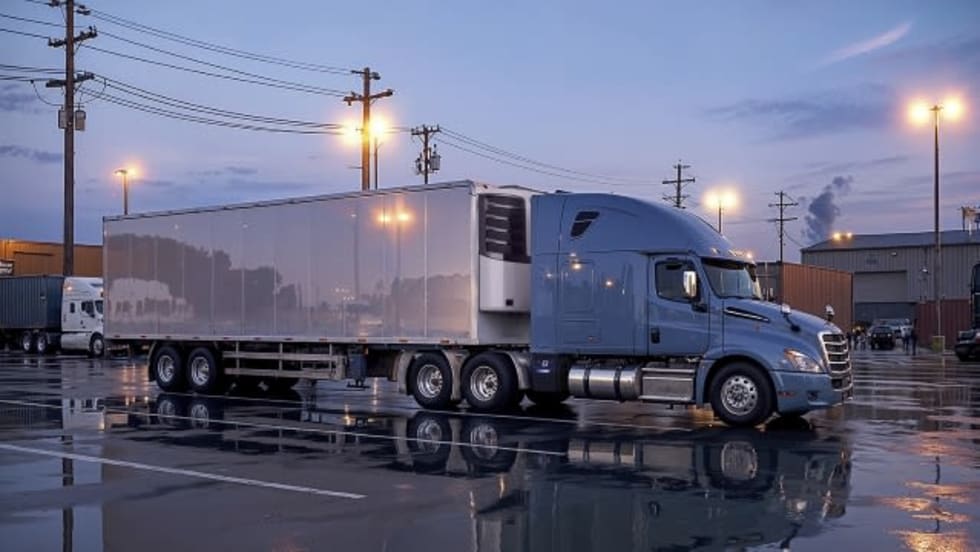
Enhance Fleet Performance with High-Efficiency Auxiliary Power Units
Drive sustainable cost savings while increasing driver comfort during short- and long-haul logistics operations.
Read More →
Maintenance in the ‘Messy Middle’ Part 2: Renewable Diesel Fuel
NACFE's latest Messy Middle Powertrain Service & Maintenance report says renewable diesel gives fleets an opportunity to reduce carbon emissions without changing trucks, fueling infrastructure or maintenance practices. But technicians still need to understand several important operational differences.
Read More →
The Diesel Engine Enters NACFE’s ‘Messy Middle’
NACFE’s new Messy Middle Powertrain Service & Maintenance report says keeping modern diesel engines running now depends as much on software, diagnostics and data as traditional mechanical service.
Read More →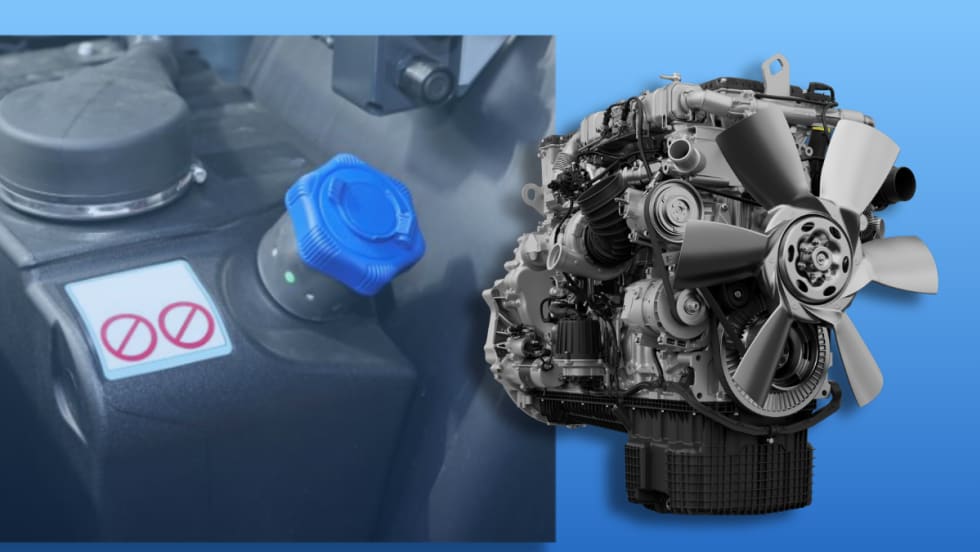
DTNA Software Update Gives Truckers More Time Before DEF Derates Take Effect
The changes reflect EPA guidance aimed at reducing downtime caused by emissions-system faults while maintaining compliance requirements.
Read More →
New Agentic Predictive Maintenance Report Demonstrates How Degraded Aftertreatment Systems Waste Fuel
Questar analyzed a large mixed-class fleet and discovered it was wasting as much as $30 in fuel per vehicle, per day, because of mechanically degraded aftertreatment systems.
Read More →
New York City's Microhub Project is Delivering Results
Trucking, last-mile delivery companies, and environmental advocates like what they are seeing so far with New York's microhub program.
Read More →