




Researcher Critical of Railroad Study on Truck Safety
A leading transportation researcher has characterized a report prepared for the railroad-funded Railway Supply Institute on the safety of larger trailers in trucking as fatally flawed.
A leading transportation researcher has characterized a report prepared for the railroad-funded Railway Supply Institute on the safety of larger trailers in trucking as fatally flawed.
“It has been demonstrated to a reasonable certainty the crash analysis suffered from numerous fatal errors. Trucks are misclassified,” said Daniel Blower, an associate research scientist at the University of Michigan Transportation Research Institute and expert on truck safety and truck crash data. “Fatalities are miscounted. The errors are substantial and not recoverable.”
Blower's critique, done independent of UMTRI and at the request of American Trucking Associations, exposes serious flaws in the report issued by the Multimodal Transportation & Infrastructure Consortium on behalf of the Railway Supply Institute, according to ATA.
“Commercial motor vehicles carrying heavier loads or employing multiple trailers present significant concerns regarding the impact of their use in terms of increased accidents, accident severity and fatalities,” the railroad-funded report said. “Several proposals have been made in recent years to increase limits for truck size and weight yet significant disputes exist about the safety of heavier and longer truck configurations.”
Blower described his effort to recreate the basic data used by the RSI-funded study and his discovery that “all of the numbers in the tables are seriously wrong. In the process of trying to understand how the authors could have gotten the numbers so wrong, I found fundamental errors of analysis and evaluation.”
He said the errors include misleading labeling of tables and data, misclassification of truck types, analytical techniques that resulted in errors like double-counting of fatal injuries, use of incorrect crash statistics and unexplained estimates for vehicle miles traveled.
“In the end, I found errors and misconceptions serious enough to undermine any validity to the crash rate analysis,” Blower said.
“Dr. Blower’s analysis demonstrates what we have been saying for a long time,” ATA President and CEO Bill Graves said. “Trucking’s critics have no qualms about stretching, sometimes well past the breaking point, data and arguments to smear our industry.
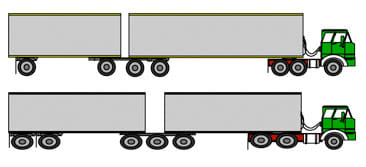
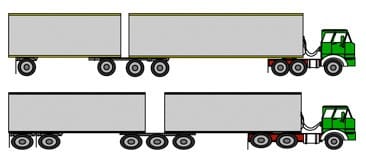
“When the real world experience of more productive trucks, like twin 33-foot trailers, shows they improve efficiency, while not creating the cataclysmic safety problems these groups claim they will, they’re forced to go even further, and in the case of this most recent report, so far as to stretch the facts beyond recognition and well past the point of being useful in constructive discussions about safety,” he said.
More Safety & Compliance

More Trailer Data Through the Same Seven-Way [Video]
Can trucking’s standard seven-way connector handle more cameras and trailer data? Grote’s Adam Slade shows HDT how the company is using new technology with its 4See trailer system, not only to add a new backup camera but also to expand other capabilities — without adding another connection.
Read More →
PrePass Intelligence Mines Fleet Bypass, Toll and Safety Data
PrePass Intelligence helps fleets measure bypass savings, flag potential toll overcharges, and spot suspicious transactions by combining data from separate systems.
Read More →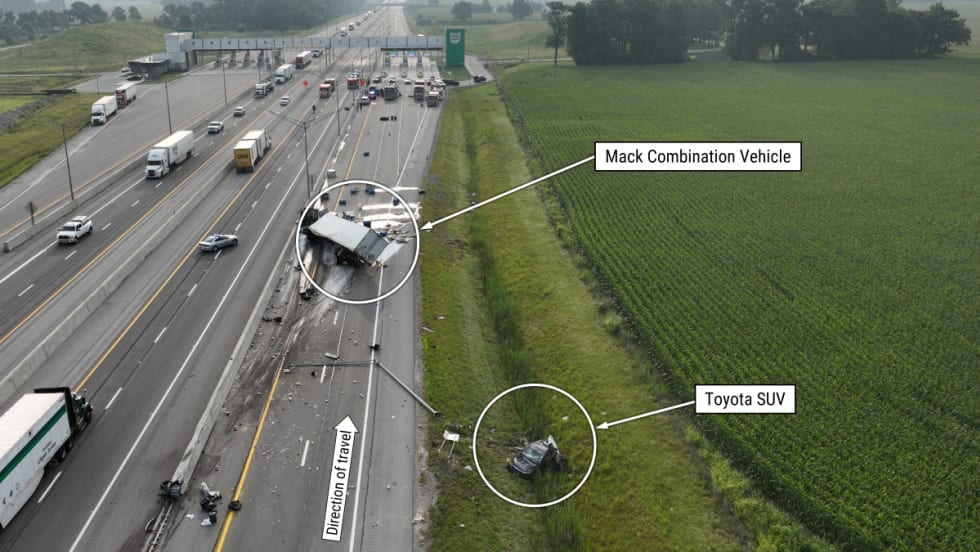
Fatal Crash Exposes Toll Plaza Risks
An NTSB investigation found that last-minute lane changes and large speed differences at an Ohio toll plaza created a hazard the truck driver couldn't avoid in time.
Read More →

When Language Stops the Truck: The Return of ELP Out-of-Service Orders
English language proficiency rules for commercial drivers aren’t new, but renewed out-of-service enforcement has raised the stakes. Here’s what carriers need to know before a driver reaches a roadside inspection.
Read More →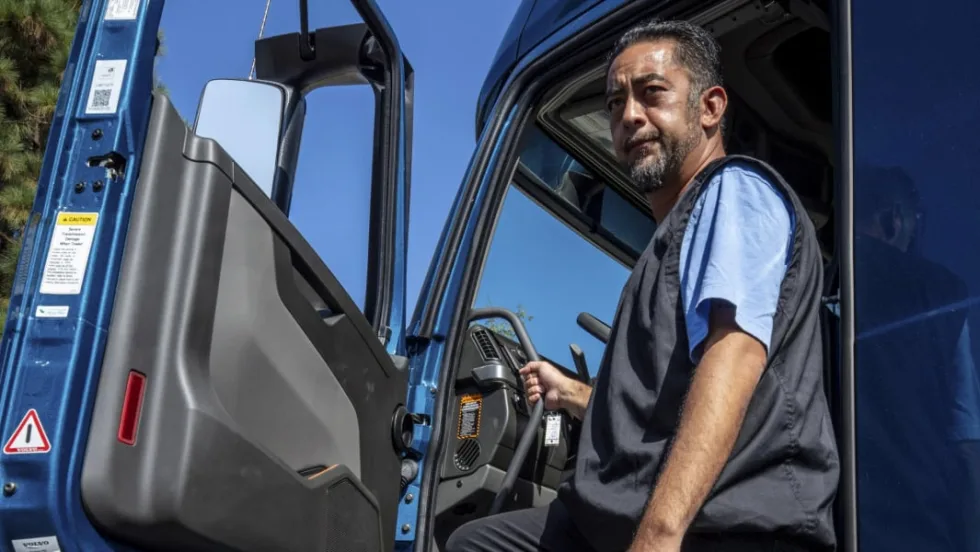
A Camera Isn't a Safety Program. Here's What Brokers Are Screening for Now
Footage alone may not be enough to pass broker vetting processes. Here's what counts as a defensible safety program now.
Read More →
Marijuana and Trucking’s Drug-Testing Dilemma
Marijuana is getting stronger, laws are changing, and drug tests still can’t reliably establish impairment. What does that mean for truck drivers and the fleets that employ them?
Read More →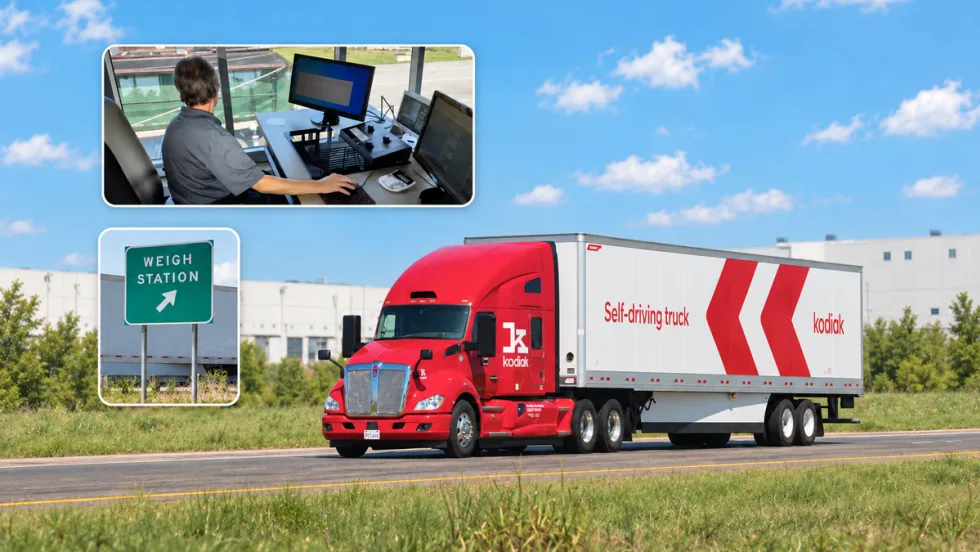
PrePass, Kodiak Connect Driverless Trucks to Roadside Enforcement
The system will allow enforcement agencies to verify Enhanced Inspection information and decide whether Kodiak’s autonomous trucks can bypass roadside screening sites.
Read More →
From One Generation to the Next: How Mentorship Builds Safer Truck Drivers
After three decades in trucking, Harold Perry shares what he's learned about driver safety, mentorship, and helping the next generation build confidence behind the wheel.
Read More →
FMCSA Pauses Biennial-Update Enforcement Amid Motus Transition
Carriers whose updates were due on or after June 1 have more time, while FMCSA works to stabilize its new registration system and warns of phishing sites impersonating its new carrier registration system, Motus.
Read More →
ZF Expands Commercial Vehicle Push in North America
ZF is expanding its North American commercial-vehicle presence with new transmission applications, electrification, trailer technology and autonomous-driving systems.
Read More →