




Research Shows Americans Favor Some Additional Funding for Transportation
Would Americans favor additional taxes and fees to support the nation's transportation infrastructure? A variety of questions on that topic were posed to a sample of people in a nationwide survey.
Would Americans favor additional taxes and fees to support the nation's transportation infrastructure? A variety of questions on that topic were posed to a sample of people in a nationwide survey.
The results are being released in a Mineta Transportation Institute research report, What Do Americans Think about Federal Tax Options to Support Public Transit, Highways, and Local Streets and Roads? Results from Year Four of a National Survey.
"A number of the results may surprise legislators," said Dr. Asha Weinstein Agrawal, who conducted the study. "Some taxes received very little support, while others are far more acceptable. For example, a 10-cent gas tax increase to support undefined transportation needs received 23% support. But if it was spread over five years, it received 40% support."

She noted that increasing the gas tax rate had significantly more support if people received more information about how the revenue would be used as compared to an increase to be spent for undefined transportation purposes. For example, the researchers found much stronger support if the funds are to be used for highway maintenance or air pollution mitigation. This was true for every demographic that was surveyed.
In this, the fourth year of the survey project, responses have held steady as compared to previous years.
Among the key findings this year:
Of the 11 transportation tax options, six had majority support.
Linking tax increases to safety, maintenance, or environmental benefits substantially increased support among virtually all socio-demographic groups.
Support levels varied considerably by the type of tax. When taxes were described with no information other than the tax type, a new sales tax was much more popular than either a gas tax increase or a new mileage tax.
80% said that better transit is an important priority for their state.
The majority did not support increasing gas taxes or transit fares to improve transit, but 64% supported spending current gas tax revenues on transit.
Less than half the respondents, 46 percent, knew of the federal government's role in funding public transit.
The research report showed support increases for additional fees and taxes when revenues are dedicated to specific purposes popular with the public, when the tax increase is spread out over several years, or when information is provided about how much the increase will cost drivers annually.
Congress is currently working a new multi-year transportation funding package with the current authorization expiring next year. Among the many issues lawmakers are debating are whether to increase spending for road and bridge work and by how much.
The Mineta Transportation Institure conducts research, education, and information transfer programs focusing on surface transportation policy and management issues. It was established by Congress in 1991.
More Drivers

Driver Trust Can Make or Break the Success of Fleet Safety Technology
New Teletrac Navman research suggests that onboarding, transparency about driver data, and positive feedback can play a significant role in how commercial drivers respond to safety and coaching technology.
Read More →
EEOC Sues KLLM Over Alleged Sex Discrimination in Driver Training
KLLM is facing a federal sex-discrimination lawsuit over policies the EEOC alleges put female truck driver trainees at a disadvantage.
Read More →
FMCSA Moves to Codify English Language Requirements for Commercial Drivers
By changing regulations on English-language proficiency requirements for commercial drivers, rather than relying on a guidance memo, the FMCSA said future administrations won't be able to walk back the Trump administration's stricter enforcement with just a memo.
Read More →
Drivers Put Western Star Trucks to the Test at Star Nation Experience
Watch to get an inside look at the Western Star trucks, technology, and community behind the Star Nation Experience 2026!
Read More →
Trump Administration Looks to Put More Veterans Behind the Wheel
The Freedom Haulers program pulls together existing and expanded programs at several federal agencies to recruit veterans to drive commercial heavy-duty trucks and cut the red tape for them to get a CDL, training, and employment.
Read More →
Putting Mack’s Command Steer to the Test
A test drive of Mack’s Command Steer active steering system evaluates how it can make truck driving easier and less tiring.
Read More →
Competition Heating Up for Truck Drivers
New report reveals rising driver hiring costs, the return of sign-on bonuses, growing AI advantages, and the operational factors shaping driver retention.
Read More →
How Fraley & Schilling Improved Logbook Compliance by Over 50%
Fraley & Schilling needed a way to close a compliance workflow gap in its ELD system without adding more work from driver training, reminders, and back-office follow-ups. It found the answer in a custom driver app.
Read More →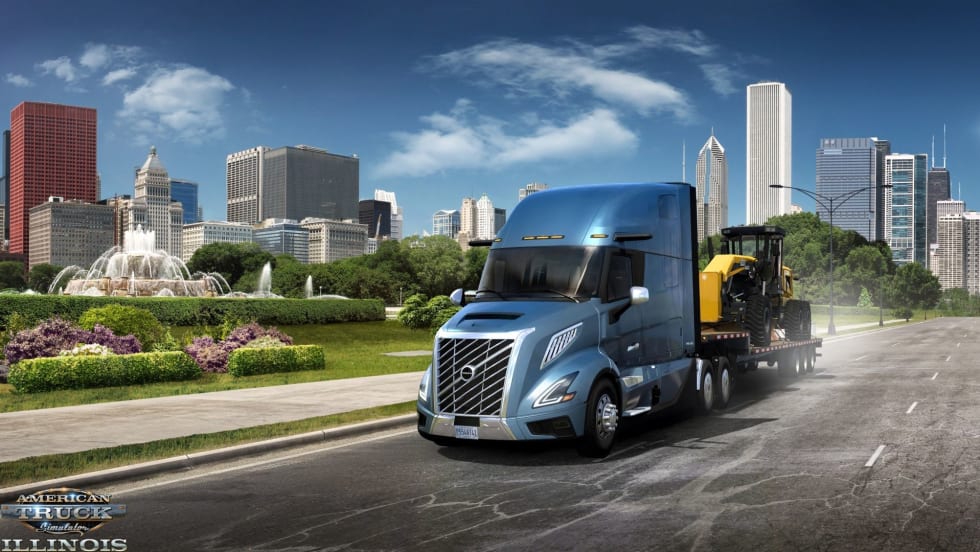
Volvo Goes Gaming
Volvo has roared into American Truck Simulator with two new flagship trucks.
Read More →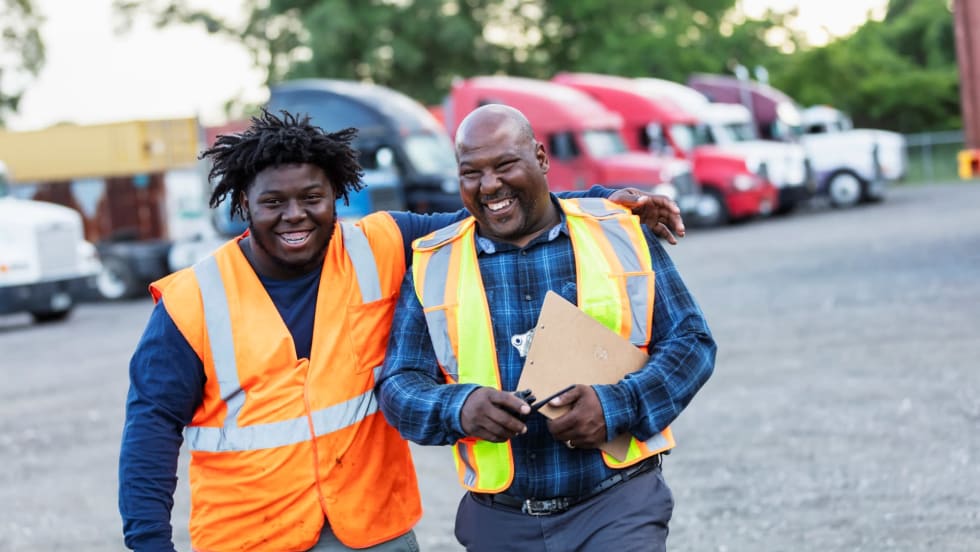
What the Best Fleets to Drive For Teach About Driver Retention
Survey fatigue, AI-powered routing, owner-operator expectations, and the decline of social media all emerged as themes from this year's Best Fleets to Drive For program.
Read More →