




Report: Truckload, LTL Carriers Reduce Roadside Repair Frequency
In fourth quarter 2020, truckload carriers logged 14% more miles between breakdowns compared with Q3, according to TMC/FleetNet America’s latest Vertical Benchmarking Program data.


In fourth quarter 2020, truckload carriers logged 14% improvement more miles between breakdowns compared with Q3, according to TMC/FleetNet America’s latest Vertical Benchmarking Program data.
HDT File Photo: Tom Berg
In fourth quarter 2020, the American Trucking Associations’ Technology & Maintenance Council found a wide disparity in the periods between unscheduled roadside maintenance among fleet types, based on the TMC/FleetNet America’s Vertical Benchmarking Program’s latest results.
During the fourth quarter, the average fleet operated 36,315 miles between unscheduled road repairs, which is largely in line with previous quarters, TMC officials said in a press release.
However, the frequency of unscheduled road repairs varied widely between the three verticals (truckload, less-than-truckload and tank). Truckload carriers recorded a 14% improvement over the third quarter, running 25,599 miles between breakdowns. The tank vertical experienced a slight increase in roadside failures compared to Q3, running 19,983 miles between breakdowns. And the LTL vertical increased from 46,525 miles between breakdowns in the third quarter to 55,823 in the fourth quarter.
The data indicates that the maintenance practices of the best-in-class fleets in each vertical resulted in lower costs for those fleets. For example, the leading fleet in the tank vertical operated nearly double the miles between roadside breakdowns than the average for the tank vertical.
“The data tells us that if, for example, the truckload carriers running the average miles between breakdowns could reach best-in-class performance, they would increase their miles between breakdowns by 55%, and that would result in overall lower costs,” said Emily Hurst, manager of data and analytics at FleetNet America.
Understanding the frequency of roadside failures, and how a fleet’s experience compares to similar operations, can help maintenance leaders identify opportunities to improve their operations and reduce their maintenance expense, TMC officials said.
More Maintenance
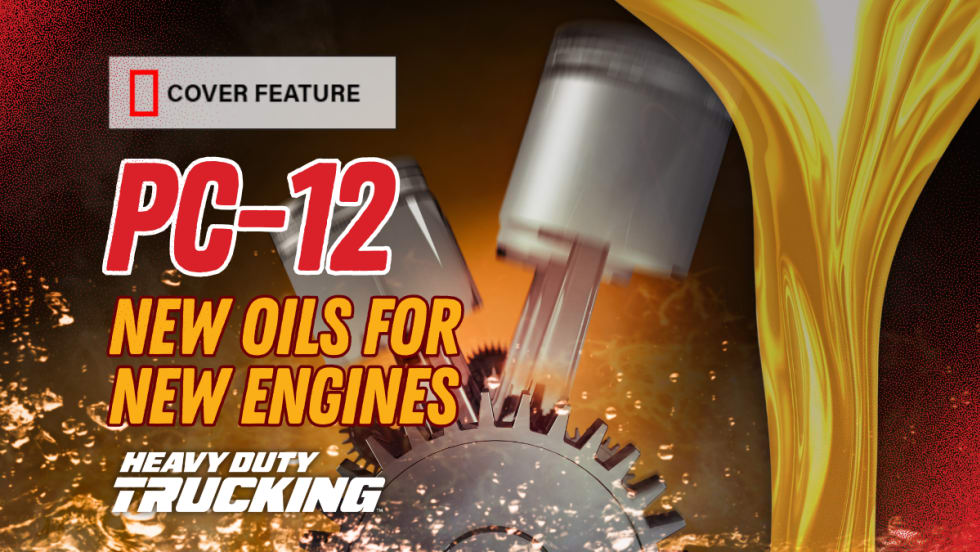
Will API PC-12 Oil Change Trucking Fleet Maintenance?
The new API PC-12 heavy-duty engine oil category reflects the changing demands of modern diesel engines. But fleets like Foodliner are looking to getting their own data before making decisions on adopting the new oils and questions such as extending oil drain intervals.
Read More →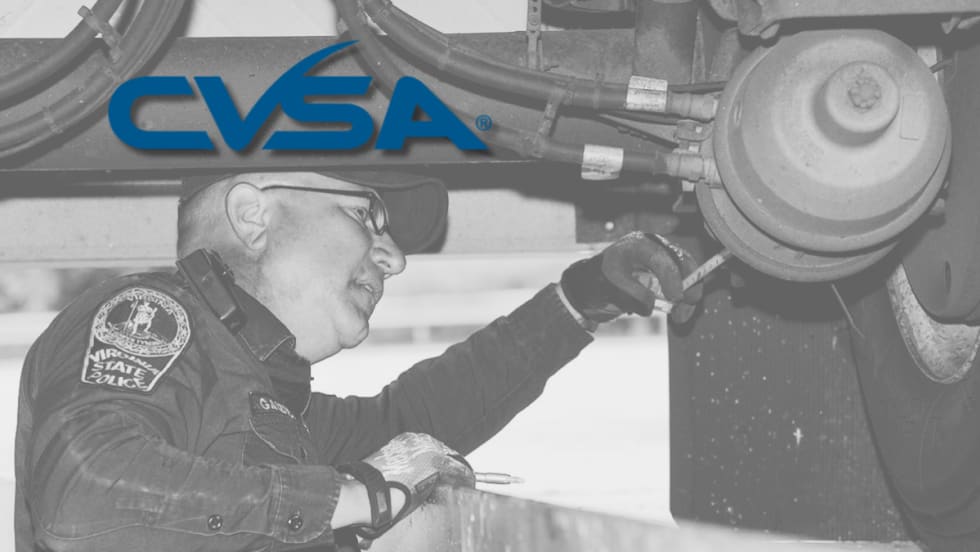
Brake Safety Week to Focus on Drums and Rotors
Commercial vehicle inspectors will be focusing on brakes during CVSA's Brake Safety Week, August 23-29.
Read More →
Possible Battery-Cable Fires Prompt Recall of 15,000+ International MV and HV Trucks
On the recalled vehicles, manufacturing variations can cause the battery interconnect cable to contact the auxiliary stud and hold down the bracket.
Read More →
Rush, MCT Team Up to Grow Refrigeration Service Network
The joint venture will operate MCT's network of Carrier Transicold dealerships and mobile service locations, with the companies promising greater service capacity and uptime for refrigerated fleets.
Read More →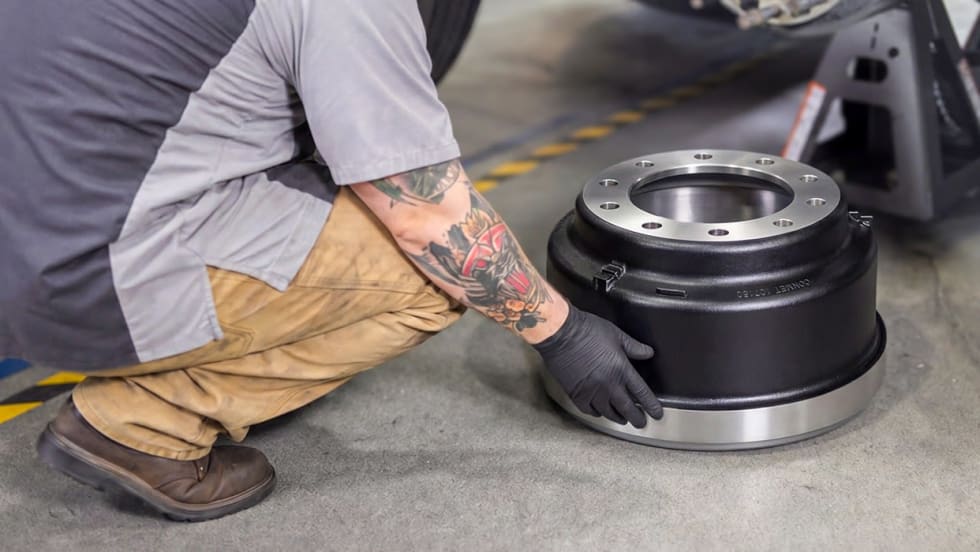
ConMet Expands Aftermarket Brake Drum Lineup With TruCast
A new heavy-duty truck brake drum option in the aftermarket gives customers more flexibility within the ConMet product family.
Read More →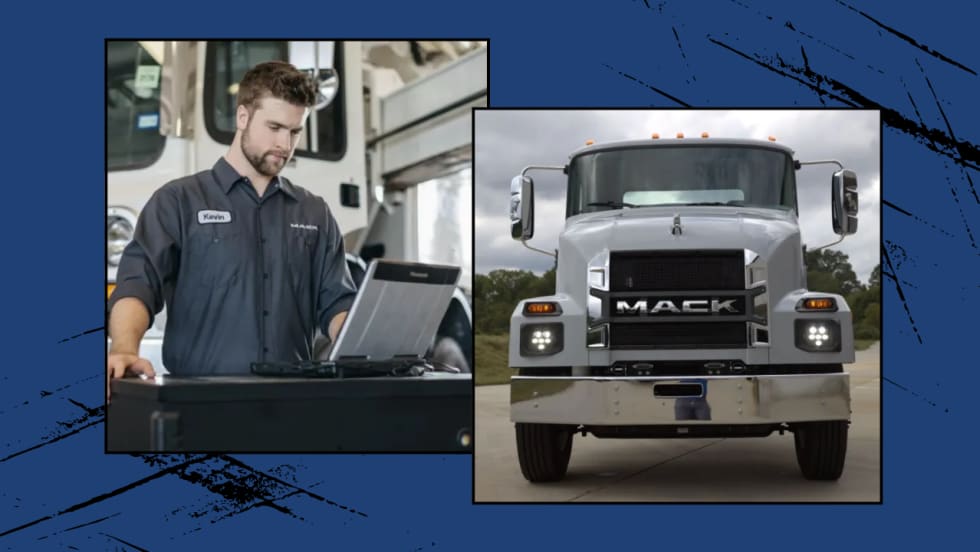
Mack Expands Premium Service Contract Coverage to Medium-Duty MD
With a service contract, inspections, preventive maintenance and repairs can be handled in a single visit instead of multiple ones.
Read More →
Maintenance in the Messy Middle Part 5: Battery-Electric Trucks
No oil changes. No diesel exhaust fluid. No exhaust aftertreatment. But NACFE battery-electric trucks still require specialized maintenance procedures.
Read More →
Trucking Fleets Faced Record Operating Costs During Third Year of Freight Recession
ATRI's annual operational cost report shows carriers trimmed fleets, delayed equipment purchases, and ran older trucks as expenses continued to outpace freight rates.
Read More →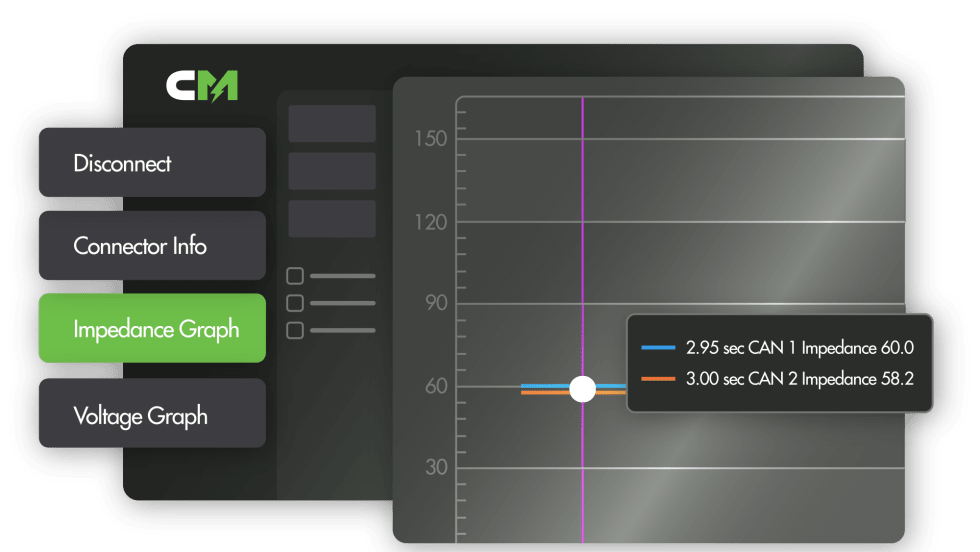
Noregon Launches CAN Mentor to Simplify Vehicle Network Diagnostics
New Noregon software helps technicians identify CAN network issues without requiring advanced diagnostic equipment or specialized training.
Read More →
Maintenance in the Messy Middle Part 4: Renewable Natural Gas
The keys to running renewable natural gas as a fleet fuel depend on specialized technician training, rigorous inspection schedules and an understanding of high-pressure fuel systems.
Read More →