




Repairs to Closed Arizona Route Could Take More Than Two Years
Cutting back the mountain slope and constructing a gravity buttress wall is part of the proposed solution to repair U.S. 89 near Page, Ariz., which was damaged in a Feb. 20 landslide. The repairs, at an estimated cost of $40 million, could take more than two years to complete.


Cutting back the mountain slope and constructing a gravity buttress wall is part of the proposed solution to repair U.S. 89 near Page, Ariz., which was damaged in a Feb. 20 landslide. The repairs, at an estimated cost of $40 million, could take more than two years to complete.
Almost immediately after the February landslide forced the closure of the highway south of Page, the Arizona Department of Transportation began assembling a team of geotechnical experts to examine the stability of the mountain slope that carried the damaged highway and searching for options available to reopen the roadway.
The active landslide is approximately 135 feet below the roadway and measures approximately 1,200 long at the base of the slope.

A 463-page report listed several alternatives for the ultimate repair of U.S. 89, but the construction of a landslide buttress and upslope lane adjustment was considered the most feasible preferred alternative. At a later date, ADOT will formally request additional federal aid to fund the repairs.
ADOT previously was awarded $35 million in federal aid to pave Navajo Route 20 and establish it as a shorter detour route until repairs are complete on U.S. 89.
Construction started in late May on N20 and is scheduled to be completed in August. The route will eventually serve as the interim bypass for drivers and will be designated Temporary U.S. 89 (U.S. 89T) once paving is complete.
The current detour established for drivers is using U.S. 160 (Tuba City exit) and State Route 98, which is approximately 115 miles long and 45 miles longer than the direct U.S. 89 route. Drivers also have the option to take U.S. 89A north to Marble Canyon toward Fredonia to reconnect to U.S. 89 in Kanab, Utah.
More Drivers

Driver Trust Can Make or Break the Success of Fleet Safety Technology
New Teletrac Navman research suggests that onboarding, transparency about driver data, and positive feedback can play a significant role in how commercial drivers respond to safety and coaching technology.
Read More →
EEOC Sues KLLM Over Alleged Sex Discrimination in Driver Training
KLLM is facing a federal sex-discrimination lawsuit over policies the EEOC alleges put female truck driver trainees at a disadvantage.
Read More →
FMCSA Moves to Codify English Language Requirements for Commercial Drivers
By changing regulations on English-language proficiency requirements for commercial drivers, rather than relying on a guidance memo, the FMCSA said future administrations won't be able to walk back the Trump administration's stricter enforcement with just a memo.
Read More →
Drivers Put Western Star Trucks to the Test at Star Nation Experience
Watch to get an inside look at the Western Star trucks, technology, and community behind the Star Nation Experience 2026!
Read More →
Trump Administration Looks to Put More Veterans Behind the Wheel
The Freedom Haulers program pulls together existing and expanded programs at several federal agencies to recruit veterans to drive commercial heavy-duty trucks and cut the red tape for them to get a CDL, training, and employment.
Read More →
Putting Mack’s Command Steer to the Test
A test drive of Mack’s Command Steer active steering system evaluates how it can make truck driving easier and less tiring.
Read More →
Competition Heating Up for Truck Drivers
New report reveals rising driver hiring costs, the return of sign-on bonuses, growing AI advantages, and the operational factors shaping driver retention.
Read More →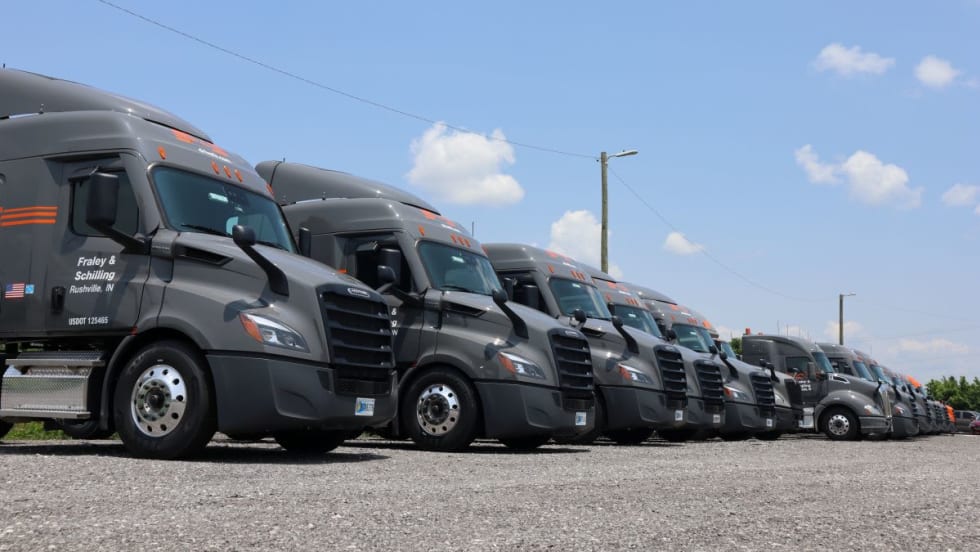
How Fraley & Schilling Improved Logbook Compliance by Over 50%
Fraley & Schilling needed a way to close a compliance workflow gap in its ELD system without adding more work from driver training, reminders, and back-office follow-ups. It found the answer in a custom driver app.
Read More →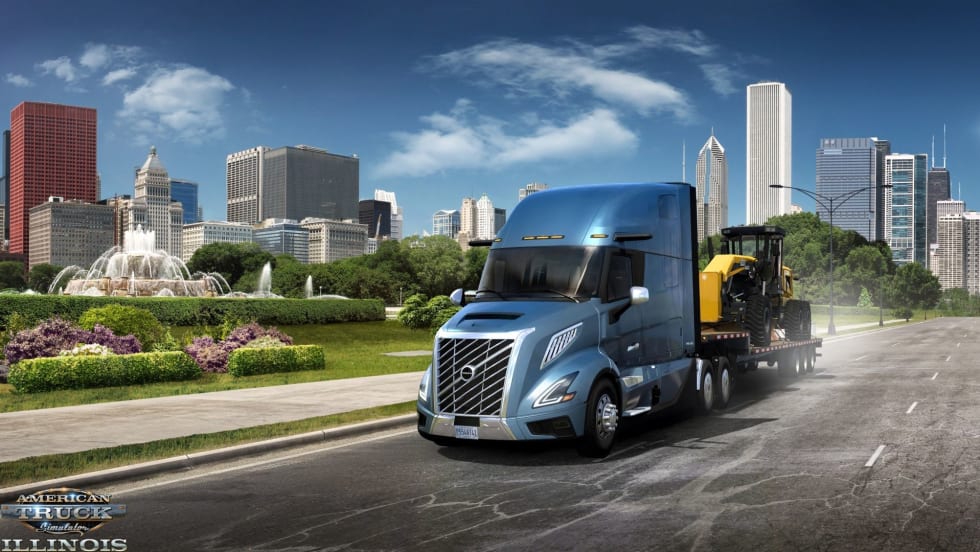
Volvo Goes Gaming
Volvo has roared into American Truck Simulator with two new flagship trucks.
Read More →
What the Best Fleets to Drive For Teach About Driver Retention
Survey fatigue, AI-powered routing, owner-operator expectations, and the decline of social media all emerged as themes from this year's Best Fleets to Drive For program.
Read More →