




Propane Autogas Fuels ReadyRefresh Delivery Trucks
Environmental stewardship is driving Nestlé Waters North America’s deployment of more than 400 additional medium-duty ReadyRefresh by Nestlé beverage delivery trucks fueled by propane autogas.

ReadyRefresh’s additional Ford F-650/750 delivery trucks are each equipped with a ROUSH CleanTech propane autogas fuel system that provides 55 usable gallons of fuel. (Photo courtesy of ROUSH CleanTech)
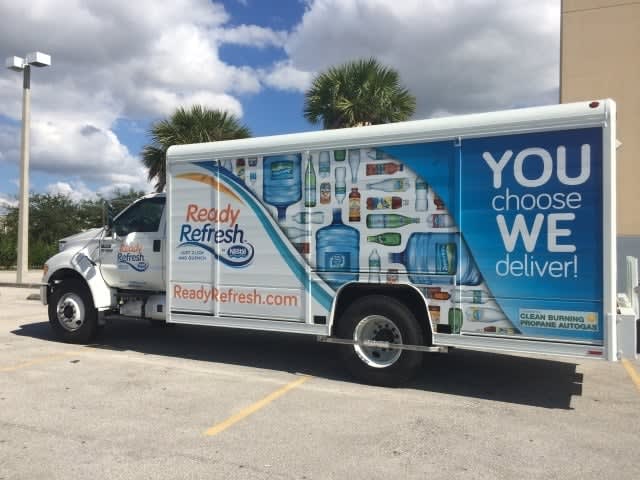
ReadyRefresh’s additional Ford F-650/750 delivery trucks are each equipped with a ROUSH CleanTech propane autogas fuel system that provides 55 usable gallons of fuel. (Photo courtesy of ROUSH CleanTech)
Environmental stewardship is driving Nestlé Waters North America’s deployment of more than 400 additional medium-duty ReadyRefresh by Nestlé beverage delivery trucks fueled by propane autogas. The company now operates nearly 600 of these alternatively fueled trucks, which make up about 30% of its total North American fleet.
“Becoming a better steward of our environment is a priority for Nestlé Waters,” said Bill Ardis, national fleet manager for its ReadyRefresh business unit. “We’ve been running propane autogas vehicles since 2014, beginning with five Class 5 vehicles. Based on the proven emissions reduction compared with our older diesel units, and lower fuel and total cost of ownership, we knew this was the right application for us within the alternative fuel space. With propane being domestically produced, it’s proven to have a more stable cost per gallon, while the fueling and maintenance infrastructures are much more cost-effective than other alternative fuel options.”
ReadyRefresh’s additional Ford F-650/750 delivery trucks are each equipped with a ROUSH CleanTech propane autogas fuel system that provides 55 usable gallons of fuel “without compromising our standard delivery methods,” said Ardis.
The Ford 6.8L V-10 3V engine with a ROUSH CleanTech fuel system is certified to 0.05 grams per brake horsepower-hour for nitrogen oxide (NOx). This engine is 75% cleaner than the current Environmental Protection Agency standard and 99% cleaner than diesel vehicles built before 2007.
“ReadyRefresh’s heavier-duty trucks fueled by propane autogas reduce nitrogen oxide and particulate matter when compared to diesel models,” said Todd Mouw, vice president of sales and marketing for ROUSH CleanTech. “Propane autogas is an affordable, abundant American fuel that allows industry leaders like Nestlé Waters to reduce their operating costs while helping to preserve the environment in which they work.”
The company’s vehicle operators cite additional benefits, including a quieter engine, powertrain performance equivalent to current diesel delivery vehicles, easy fueling, and simple operation.
“Many of our drivers have provided positive feedback for the propane vehicles,” said Robert Austin, director of supply chain for Nestlé Waters North America’s ReadyRefresh business unit. “We are excited about this strategic endeavor that will ultimately drive awareness, efficiency, and sustainability. Our new fleet will ensure that ReadyRefresh is poised to meet our consumer’s needs and the delivery of our great brands while improving our environment.”
Propane autogas is the leading alternative fuel in the United States and the third most commonly used vehicle fuel, following gasoline and diesel. More than 90% of the United States propane autogas supply is produced domestically, with an additional 7% coming from Canada.
Nestlé Waters North America continues to make strides to create a more sustainable future through its use of alternative fuels, like propane autogas. In 2016, the company was recognized within all of Nestle Worldwide for its commitment to alternative fuel vehicles within the United States. The company will continue to replace older delivery vehicles with propane autogas to reach its goal of operating 52% on the alternative fuel by 2019.
More Fuel Smarts
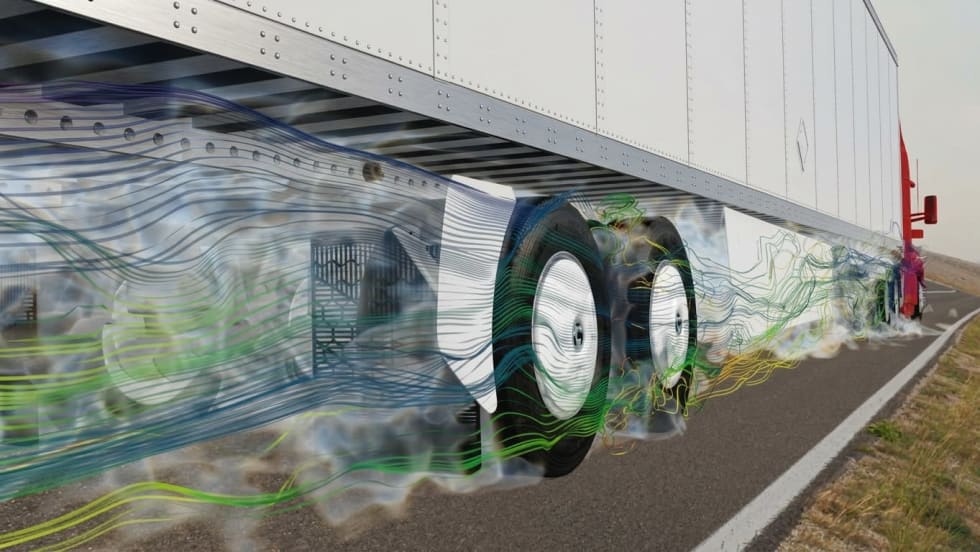
FlowBelow Redesigns Trailer AeroSlider to Cut Fuel Use
The lighter trailer aerodynamic system installs in less than 45 minutes, according to the company, with potential payback in under a year depending on fuel prices and trailer mileage.
Read More →
Why Diesel Price Relief Efforts May Fall Short
Diesel prices have eased from September’s record high, but doubts about additional Russian supply and limits on dyed-diesel tax relief mean trucking fleets still face expensive fuel. And prices could go higher.
Read More →
Why Small Fuel Savings Matter in Trucking
Can better fuel economy help pay for driver raises? In this podcast, GP Transco explains how small efficiency gains create room to reinvest in its people.
Read More →
How GP Transco Cuts Trucking Fuel Costs, a Tenth of a Gallon at a Time
What’s another tenth of a mile per gallon worth? GP Transco shares how equipment upgrades and driver coaching turn small gains into meaningful fuel savings.
Read More →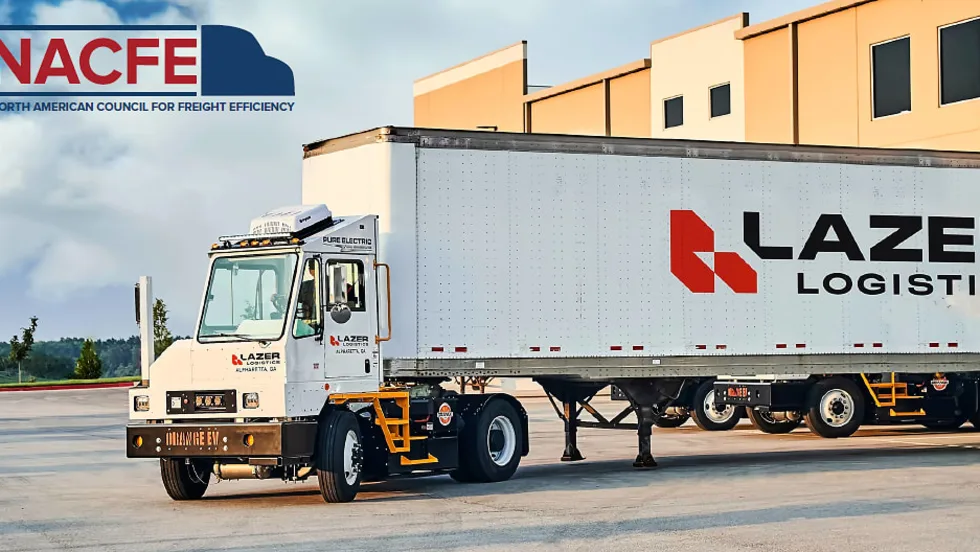
Electric Yard Tractors Move Beyond Pilots
Operating-cost savings have overtaken sustainability goals as the leading reason surveyed fleets are adopting battery-electric terminal tractors, according to new NACFE research.
Read More →
Geotab Links Fleet Card to Vehicle Data
The new card combines fuel discounts with telematics-based purchase controls. Geotab’s analysis also points to potential savings from choosing lower-priced fuel stops.
Read More →
Fleet Economics Shape Electric Truck Outlook
ACT Research expects costs, charging infrastructure, and technology improvements to drive zero-emission commercial vehicle adoption as federal regulations and incentives retreat.
Read More →
Wex Adds Cardless Fuel Payments for Over-the-Road Customers
A new fuel card feature for Wex customers offers convenience and security.
Read More →
New California Law Could Shed Light on Electric Truck Prices
Why do battery-electric Class 8 trucks remain so expensive? A California bill signed by Gov. Gavin Newsom would give fleets and state agencies more visibility into what manufacturers charge.
Read More →
How Volvo Updated Its D13 for EPA 2027 [Watch]
Volvo’s updated D13 promises lower emissions without sacrificing performance or fuel economy. Take a closer look at what changed inside the engine in this HDT Spotlight video.
Read More →