




Ports of L.A. and Long Beach to Test System to Speed Up Truck Movements
In an effort to streamline traffic at the Ports of Los Angeles and Long Beach, the Freight Advanced Traveler Information Program Demonstration Project will go live on Wednesday.
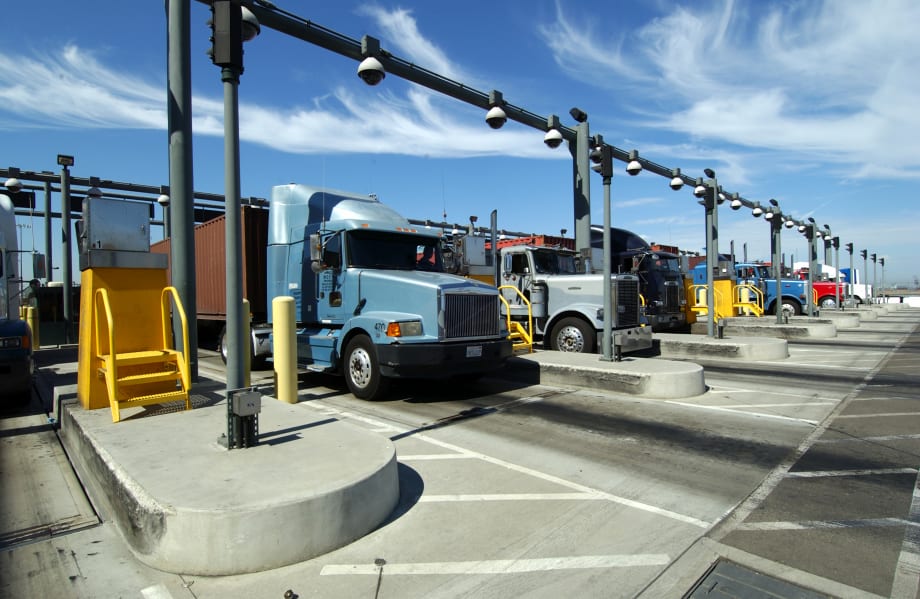
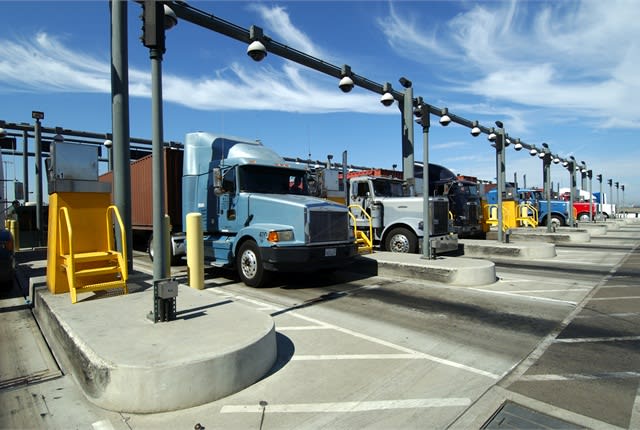
In an effort to streamline area traffic and efficiency at the Port of Los Angeles and Port of Long Beach, the Freight Advanced Traveler Information Program Demonstration Project, will go live on Wednesday.
This private and public collaborative effort funded by the U.S. DOT Research and Innovative Technology Administration will be tested for the next six months.
The Los Angeles-Gateway Cities Region and the private sector formed this partnership with the joint goal of reducing traffic congestion during peak hours by improving the information flow between truck fleets and port terminals. Real-time information will allow drivers and schedulers to reroute and reschedule according to current conditions in the port and on freeways and arterial highways.
The Demonstration Project partners include The Harbor Trucking Association, Port Logistics Group, and Yusen Terminals, Inc. The system development team is led by Cambridge Systematics utilizing specialized optimization software.
“FRATIS will demonstrate dynamic travel planning and new communications for freight movement in this region,” says Michael J. Johnson, president of the Harbor Trucking Association and Port Logistics Group Director of Intermodal Operations. “By using Bluetooth proximity readers in and around the marine terminal in conjunction with dynamic routing, the system can communicate where congestion is to truckers and dispatchers. Using this information allows us to plan terminal visits in a way that can assist all parties in moving containers more efficiently.”
At the conclusion of the six months of testing, the U.S. DOT will publish the results of an independent assessment that is being conducted for the project.
More Drivers

From One Generation to the Next: How Mentorship Builds Safer Truck Drivers
After three decades in trucking, Harold Perry shares what he's learned about driver safety, mentorship, and helping the next generation build confidence behind the wheel.
Read More →
Truck Drivers Need More Than Another Alert
Fleets have more visibility into truck health, safety events, and driver activity than ever. The next challenge is turning all that information into useful guidance for the person who has to decide what to do next.
Read More →
FMCSA Removes 110 Truck Driver Training Schools from Certified ELDT List
Federal regulators also are targeting more than 160 additional training providers and launching a nationwide audit of third-party CDL skills testers as part of a broader crackdown on trucking fraud.
Read More →
Hours of Service Pilot Programs: FMCSA Readies for 2027 Rollout
Two pilot programs could eventually reshape hours-of-service rules, giving truck drivers options to pause their 14-hour clock or use longer split sleeper rest periods.
Read More →
Medical Cards, English Proficiency Reshape Roadcheck Violations
Medical-card violations jumped to the top of the driver out-of-service list during CVSA’s 2026 International Roadcheck, while English-language proficiency violations appeared among the leading violations for the first time.
Read More →
Driver Trust Can Make or Break the Success of Fleet Safety Technology
New Teletrac Navman research suggests that onboarding, transparency about driver data, and positive feedback can play a significant role in how commercial drivers respond to safety and coaching technology.
Read More →
EEOC Sues KLLM Over Alleged Sex Discrimination in Driver Training
KLLM is facing a federal sex-discrimination lawsuit over policies the EEOC alleges put female truck driver trainees at a disadvantage.
Read More →
FMCSA Moves to Codify English Language Requirements for Commercial Drivers
By changing regulations on English-language proficiency requirements for commercial drivers, rather than relying on a guidance memo, the FMCSA said future administrations won't be able to walk back the Trump administration's stricter enforcement with just a memo.
Read More →
Drivers Put Western Star Trucks to the Test at Star Nation Experience
Watch to get an inside look at the Western Star trucks, technology, and community behind the Star Nation Experience 2026!
Read More →
Trump Administration Looks to Put More Veterans Behind the Wheel
The Freedom Haulers program pulls together existing and expanded programs at several federal agencies to recruit veterans to drive commercial heavy-duty trucks and cut the red tape for them to get a CDL, training, and employment.
Read More →