




Policy Group Urges Government Fleets to Use Alternative Fuels
A new report from a Washington, D.C., energy policy group urges the federal government to begin allocating its $150 billion budget for transport services to carriers that fuel their fleets on domestically produced natural gas, electricity, biofuels and other alternatives to diesel and gasoline
A new report from a Washington, D.C., energy policy group urges the federal government to begin allocating its $150 billion budget for transport services to carriers that fuel their fleets on domestically produced natural gas, electricity, biofuels and other alternatives to diesel and gasoline.
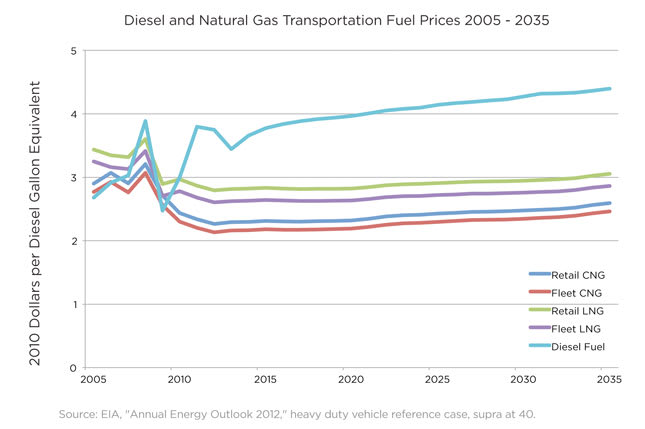
The report, by the non-profit American Clean Skies Foundation, says a switch of just 20% of the U.S. government's business to freight and package carriers using alternative fuels would lead to taxpayer savings of up to $7 billion annually and approximately $25 billion by 2025 (assuming a gradual fuel shift, beginning in 2015). Much of the savings is attributable to reduced fuel costs because major alternatives, such as compressed natural gas, cost less per gallon than petroleum-based fuels.
The 55-page ACSF report -- Oil Shift: The Case for Switching Federal Transportation Spending to Alternative Fuel Vehicles -- finds that shifting federal transportation contracts to vans and trucks running on alternative fuels could reduce oil imports by billions of gallons annually; cut greenhouse gas (GHG) pollution by over 20 million metric tons a year; and stimulate the nationwide introduction of tens of thousands of new alternative fuel vehicles.
To get shippers that handle government business on the right course, the report recommends that Washington simply apply the same measurement and reporting tools developed by federal agencies over the last two decades to ratchet down petroleum use and harmful emissions associated with the government's own transportation fleet.
"Most people are probably unaware that the freight services which are used by the government and major product suppliers provide a 30 times larger opportunity for oil savings and emissions reductions than the cars and trucks that the government owns itself," said Warren Lavey, co-author of the report and ACSF's senior regulatory counsel.
"Moreover," added Lavey, "our proposal does not require any new legislation or spending -- federal agencies already have the legal authority required to track the oil used and pollution associated with third-party shipping services. And agencies also have the authority to begin buying those services from freight carriers that increasingly rely on cleaner, domestically sourced alternative fuels."
The ACSF report makes three main recommendations:
1) Starting in 2014, federal agencies should publish annual targets and initiatives for buying more alternative fuels, reducing petroleum and lowering emissions associated with major transport services.
2) Starting in 2015, agencies should require major carriers to use alternative fuels for at least 5 percent of contracted shipments (measured in ton-miles). This requirement should increase by at least 2 percent each year from 2015 to 2025.
3) Starting in 2016, federal agencies should publish annual targets, and initiatives for using more alternative fuels, reducing petroleum and lowering emissions associated with the transport services used by major vendors to deliver products to the government (i.e., for vendor contracted shipping services not covered by the prior recommendations).
In addition, ACSF says Congress should encourage a transportation spending shift by directing the GAO to report annually, beginning in 2013, on the effectiveness of federal programs to increase the use of alternative fuels and to reduce costs related to transport services directly or indirectly purchased by federal agencies. Congressional oversight hearings may also be appropriate.
The federal government owns or leases about 660,000 cars and trucks and, in 2011, U.S. taxpayers spent $1.4 billion to purchase about 400 million gallons of gasoline and diesel fuel for use by these federal vehicles. Non-petroleum fuels currently account for only 4% of the fuel used by these fleets.
By comparison, federal agencies spend about $50 billion directly to procure transportation services each year from private-sector trucking companies and other carriers. In FY2010, the U.S. Postal Service alone spent roughly the same amount on fuel reimbursements for third-party suppliers ($1.3 billion) as all federal agencies spent on fueling their own fleets.
Several existing laws and executive orders, such as Executive Order 13514, require federal departments and agencies to "lead by example" in reducing petroleum use, raising energy efficiency, and mitigating adverse environmental impacts associated with federally owned vehicles and contracted transportation services.
As a result of these standards and reporting requirements, most federal agencies have implemented vehicle purchasing, fueling and optimization initiatives for their fleets. Yet much more could be achieved by extending this framework of standards, performance tracking and purchasing targets from federally owned fleets to third-party transportation service providers, says this report.
Established in 2007, ACSF seeks to advance America's energy independence and a cleaner, low-carbon environment through expanded use of natural gas, renewables and efficiency.
More Drivers
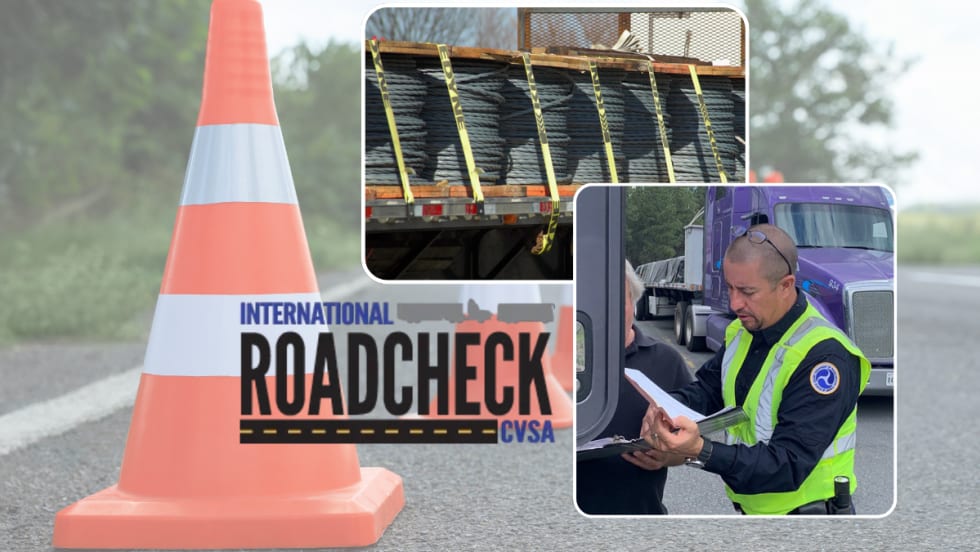
Medical Cards, English Proficiency Reshape Roadcheck Violations
Medical-card violations jumped to the top of the driver out-of-service list during CVSA’s 2026 International Roadcheck, while English-language proficiency violations appeared among the leading violations for the first time.
Read More →
Driver Trust Can Make or Break the Success of Fleet Safety Technology
New Teletrac Navman research suggests that onboarding, transparency about driver data, and positive feedback can play a significant role in how commercial drivers respond to safety and coaching technology.
Read More →
EEOC Sues KLLM Over Alleged Sex Discrimination in Driver Training
KLLM is facing a federal sex-discrimination lawsuit over policies the EEOC alleges put female truck driver trainees at a disadvantage.
Read More →
FMCSA Moves to Codify English Language Requirements for Commercial Drivers
By changing regulations on English-language proficiency requirements for commercial drivers, rather than relying on a guidance memo, the FMCSA said future administrations won't be able to walk back the Trump administration's stricter enforcement with just a memo.
Read More →
Drivers Put Western Star Trucks to the Test at Star Nation Experience
Watch to get an inside look at the Western Star trucks, technology, and community behind the Star Nation Experience 2026!
Read More →
Trump Administration Looks to Put More Veterans Behind the Wheel
The Freedom Haulers program pulls together existing and expanded programs at several federal agencies to recruit veterans to drive commercial heavy-duty trucks and cut the red tape for them to get a CDL, training, and employment.
Read More →
Putting Mack’s Command Steer to the Test
A test drive of Mack’s Command Steer active steering system evaluates how it can make truck driving easier and less tiring.
Read More →
Competition Heating Up for Truck Drivers
New report reveals rising driver hiring costs, the return of sign-on bonuses, growing AI advantages, and the operational factors shaping driver retention.
Read More →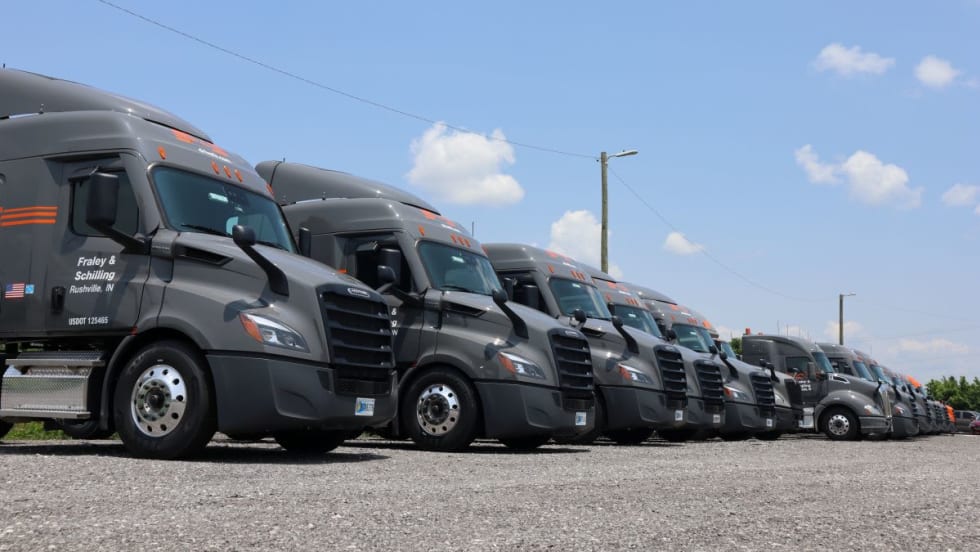
How Fraley & Schilling Improved Logbook Compliance by Over 50%
Fraley & Schilling needed a way to close a compliance workflow gap in its ELD system without adding more work from driver training, reminders, and back-office follow-ups. It found the answer in a custom driver app.
Read More →
Volvo Goes Gaming
Volvo has roared into American Truck Simulator with two new flagship trucks.
Read More →