




Outlines of Transport Bill Emerge from Senate Hearings
The outline of a transportation reauthorization bill started to emerge from the haze of Washington's summer heat storm last week. Timing and details will remain blurred for a while yet, at least until the epic struggle over the debt ceiling is resolved, but at several hearings last week Senators began public discussions on highway funding, policy and safety
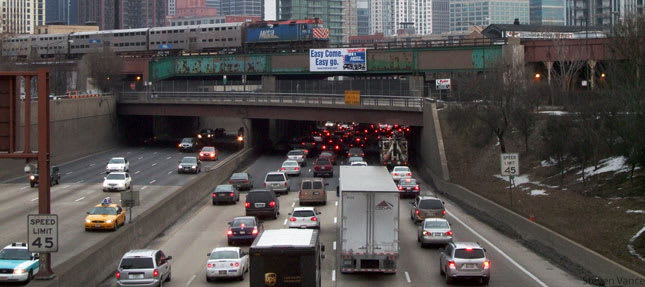
The Senate Environment & Public Works Committee is going forward with a 2-year proposal that would keep funding at its current level of $109 billion. (Photo by Steven Vance)
The outline of a transportation reauthorization bill started to emerge from the haze of Washington's summer heat storm last week.
Timing and details will remain blurred for a while yet, at least until the epic struggle over the debt ceiling is resolved, but at several hearings last week Senators began public discussions on highway funding, policy and safety.
The Senate Environment & Public Works Committee is going forward with a 2-year proposal that would keep funding at its current level of $109 billion.
This is in contrast to an earlier House proposal for a 6-year measure that Sen. Barbara Boxer, D-Calif., chairman of the EPW Committee, said would cut the federal transportation program by 36%.
The House proposal envisions spending only what can be collected by the Highway Trust Fund. Boxer said she intends to maintain current spending levels, which means that the Senate Finance Committee needs to find an additional $12 billion over what will come in from the trust fund.
Sen. Max Baucus, D-Mont., a member of EPW and chairman of the Finance Committee, said he working hard to find the money. "Nothing is certain around here, but I feel fairly confident that we will on a bipartisan basis find that $12 billion and avoid the severe cuts the House is proposing."
Sen. James Inhofe, the ranking Republican on EPW, supports the effort to raise the $12 billion but warned "it will be virtually impossible" to pass the measure unless the funding gap is closed.
Boxer said her aim is to mark up a bill before the August recess, so there is not much time.
The proposal, called Moving Ahead for Progress in the 21st Century, consolidates a number of highway funding programs. For instance, it would merge the Interstate Maintenance, National Highway System and part of the Highway Bridge programs into one program that focuses on the most critical stretches of road.
Like the House bill, it boosts funding for the Transportation Infrastructure Finance and Innovation program, which leverages federal money by providing loans, loan guarantees and lines of credit to pay for highway projects of national and regional significance. Boxer's proposal would boost TIFIA from $122 million to $1 billion a year.
Unlike the House proposal, it includes a specific program for freight, which would provide funds to states to improve cargo movement and intermodal connectors. The House proposal contains no specific language on freight policy, although Transportation and Infrastructure Committee Chairman John Mica, R-Fla., said he intends to ask the Ways & Means Committee, which has jurisdiction over funding, for tax credits and other incentives for freight.
Another major difference between the Senate and House proposals concerns the idea of an infrastructure bank. Boxer said she wants to have a national infrastructure bank. The House, on the other hand, is proposing to give states incentives to start their own infrastructure banks. The difference probably will have to be resolved in the conference process after the bills are drafted and passed in each chamber.
Both proposals emphasize improvements in project delivery. Boxer's measure would, for example, expand innovative contracting methods, create dispute resolution procedures and allow for early acquisition of rights of way.
There's another possible financing mechanism in the works. Sen. John Kerry, D-Mass., has introduced a bill that would create the American Infrastructure Financing Authority. This would be a wholly-owned government corporation with a CEO and a board of directors that would provide direct loans and loan guarantees for transportation projects.
At a hearing held last week by the Senate Commerce Committee, Kerry stressed that he does not see this entity in competition with federal programs such as TIFIA. It would be free-standing with its own rules, and would perform as a professional bank, without undue political pressures on the loans it makes, he said.
This idea will have to overcome several hurdles. One was raised by Sen. Kelly Mayotte, R-N.H., who wanted assurance that the bank would not leave the taxpayer on the hook in the event of, say, a bad loan. Another was raised by assistant transportation secretary Polly Totenberg, who said that DOT is not in principle opposed but noted that the department has the expertise to do the job.
The concept of an independent entity is appealing, however, to the investment banking community. Robert Dove, managing director of Carlyle Infrastructure Partners, said that being independent the bank would have more credibility with investors.
In another hearing, Sen. Frank Lautenberg, D-N.J., opened discussions on what will likely be included in the safety title of the Senate's reauthorization bill. Lautenberg, who chairs the Surface Transportation Subcommittee, said he plans to introduce a bill soon. (See separate story.)
More Drivers
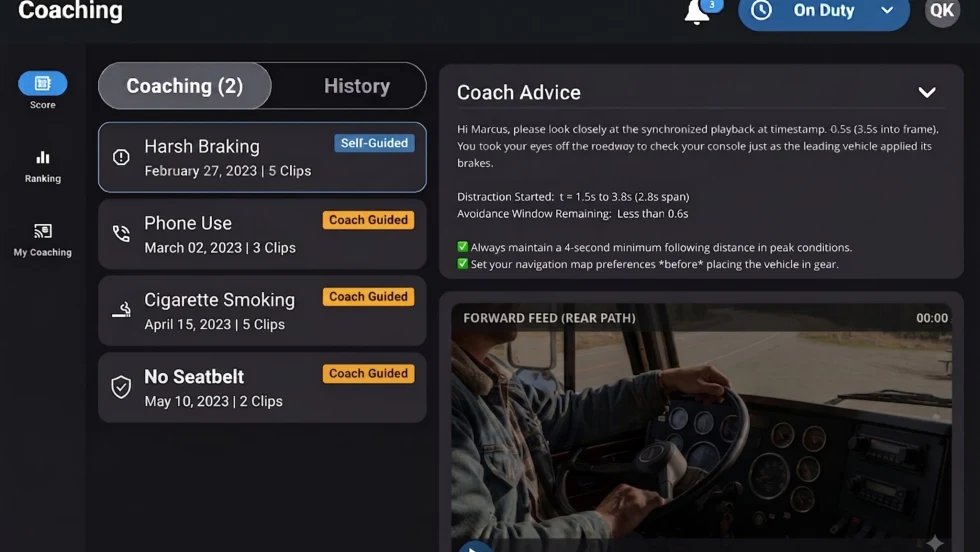
Platform Science Adds Dispatch and Safety Tools
Four additions to PS Fleet help fleets monitor loads, manage driver coaching, share truck locations and adjust video system settings.
Read More →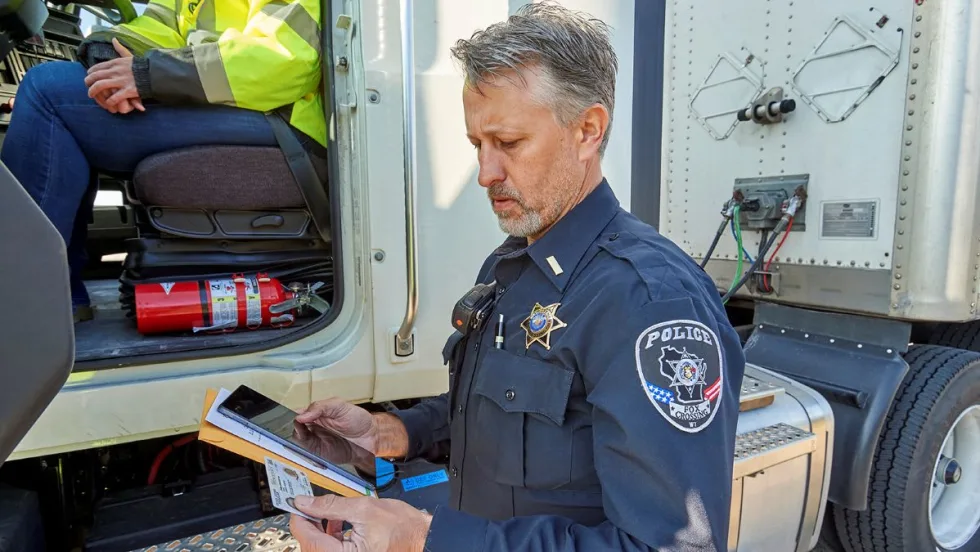
When Language Stops the Truck: The Return of ELP Out-of-Service Orders
English language proficiency rules for commercial drivers aren’t new, but renewed out-of-service enforcement has raised the stakes. Here’s what carriers need to know before a driver reaches a roadside inspection.
Read More →
Samsara Launches Custom AI Agent Builder
Agent Studio lets fleets create AI tools for hours-of-service monitoring, reporting and driver support, including agents that communicate by phone.
Read More →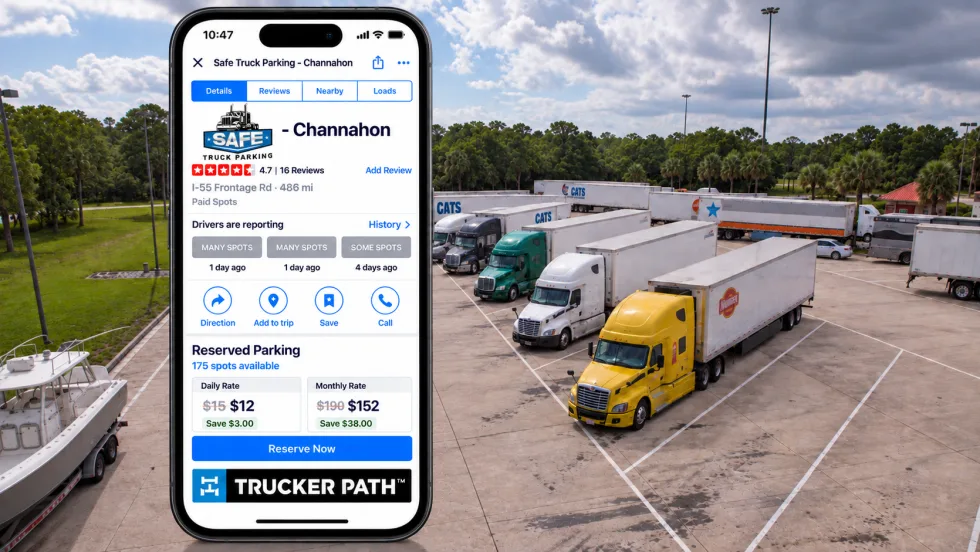
Trucker Path Expands Reserved Parking Network
Trucker Path has added close to 6,000 more truck parking spaces to its Trucker Path Reserved Parking Network with the addition of Safe Truck Parking.
Read More →
EEOC Sues Texas Trucking Company Over Driver Age Limits
The agency says Trancasa USA rejected applicants over 65 and applied tougher driving-record standards to those over 60.
Read More →
Nussbaum, Roehl Announce Second Driver Pay Increase This Year
This year has seen a swath of major truck driver pay increases as freight capacity has tightened.
Read More →
From One Generation to the Next: How Mentorship Builds Safer Truck Drivers
After three decades in trucking, Harold Perry shares what he's learned about driver safety, mentorship, and helping the next generation build confidence behind the wheel.
Read More →
Truck Drivers Need More Than Another Alert
Fleets have more visibility into truck health, safety events, and driver activity than ever. The next challenge is turning all that information into useful guidance for the person who has to decide what to do next.
Read More →
FMCSA Removes 110 Truck Driver Training Schools from Certified ELDT List
Federal regulators also are targeting more than 160 additional training providers and launching a nationwide audit of third-party CDL skills testers as part of a broader crackdown on trucking fraud.
Read More →
Hours of Service Pilot Programs: FMCSA Readies for 2027 Rollout
Two pilot programs could eventually reshape hours-of-service rules, giving truck drivers options to pause their 14-hour clock or use longer split sleeper rest periods.
Read More →