




Next Phase of I-90 Construction Under Way in Washington
Six new lanes, one wildlife overcrossing, new bridges and culverts, and safety improvements are coming to a 2-mile stretch of Interstate 90 in Washington State.


Six new lanes, one wildlife overcrossing, new bridges and culverts, and safety improvements are coming to a 2-mile stretch of Interstate 90 in Washington State.
The state this week broke ground on the next major phase to widen I-90 from four to six lanes and improve reliability and safety for drivers east of Snoqualmie Pass.
This phase of the project builds a new six-lane highway, stabilizes rock slopes, constructs new bridges and culverts, and builds a wildlife overcrossing, the first of its kind in the project corridor. Construction is scheduled to be complete in 2019.
However, the groundbreaking also means increased construction-related delays on Snoqualmie Pass this summer. Drivers will experience minor, periodic delays caused by single-lane closures and rolling slowdowns through October.
The start of this 2-mile section is an extension of the $551 million project funded by the 2005 gas tax to improve 5 miles of I-90 from Hyak to Keechelus Dam, scheduled for completion in 2018. The Legislature allocated funding in the 2013 transportation budget to continue expanding I-90 to the Stampede Pass interchange.
On an average day, 28,000 vehicles travel over Snoqualmie Pass, and traffic numbers double on weekends and holidays. Traffic volumes are expected to increase 2.1% every year, reaching an average of over 41,000 vehicles per day by 2030.
For more information, check the WDOT's "What's Happening on I-90" web page.
More Safety & Compliance
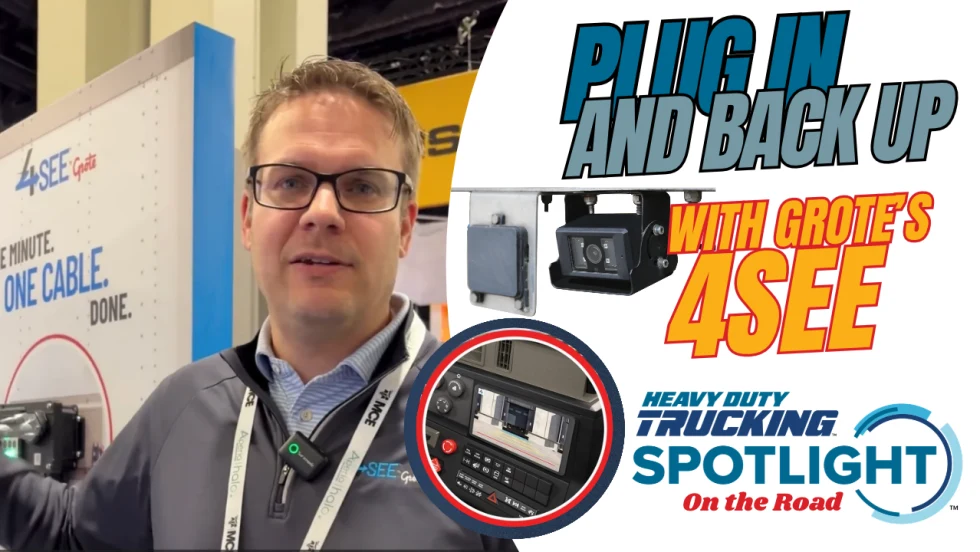
More Trailer Data Through the Same Seven-Way [Video]
Can trucking’s standard seven-way connector handle more cameras and trailer data? Grote’s Adam Slade shows HDT how the company is using new technology with its 4See trailer system, not only to add a new backup camera but also to expand other capabilities — without adding another connection.
Read More →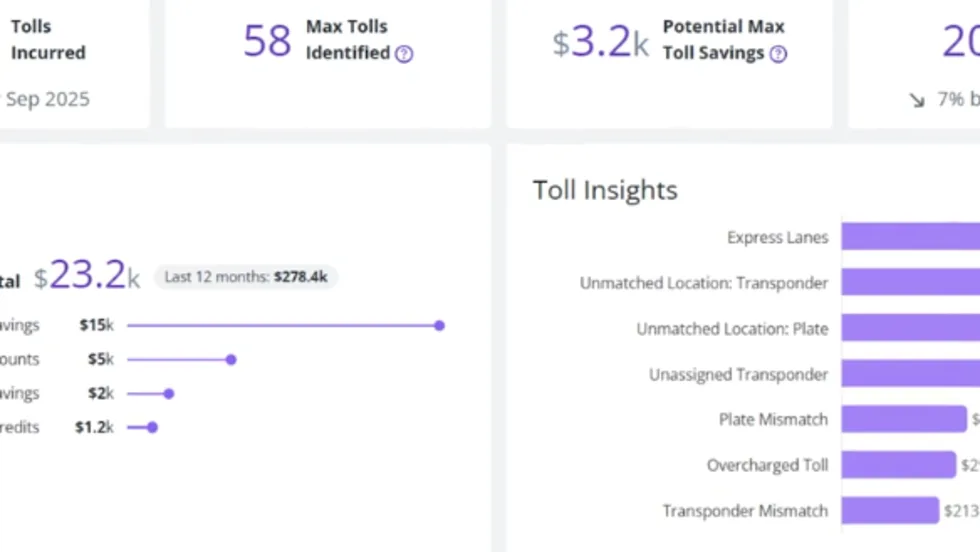
PrePass Intelligence Mines Fleet Bypass, Toll and Safety Data
PrePass Intelligence helps fleets measure bypass savings, flag potential toll overcharges, and spot suspicious transactions by combining data from separate systems.
Read More →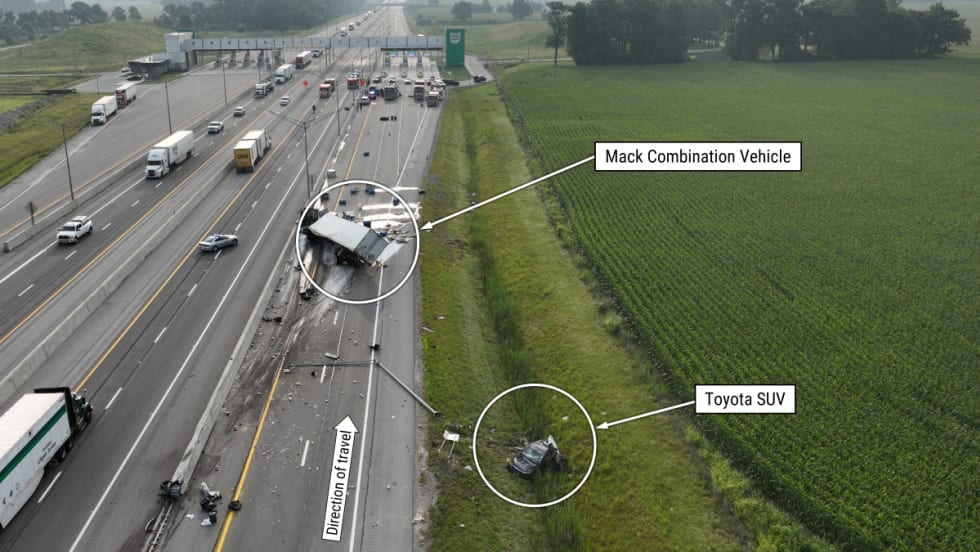
Fatal Crash Exposes Toll Plaza Risks
An NTSB investigation found that last-minute lane changes and large speed differences at an Ohio toll plaza created a hazard the truck driver couldn't avoid in time.
Read More →

When Language Stops the Truck: The Return of ELP Out-of-Service Orders
English language proficiency rules for commercial drivers aren’t new, but renewed out-of-service enforcement has raised the stakes. Here’s what carriers need to know before a driver reaches a roadside inspection.
Read More →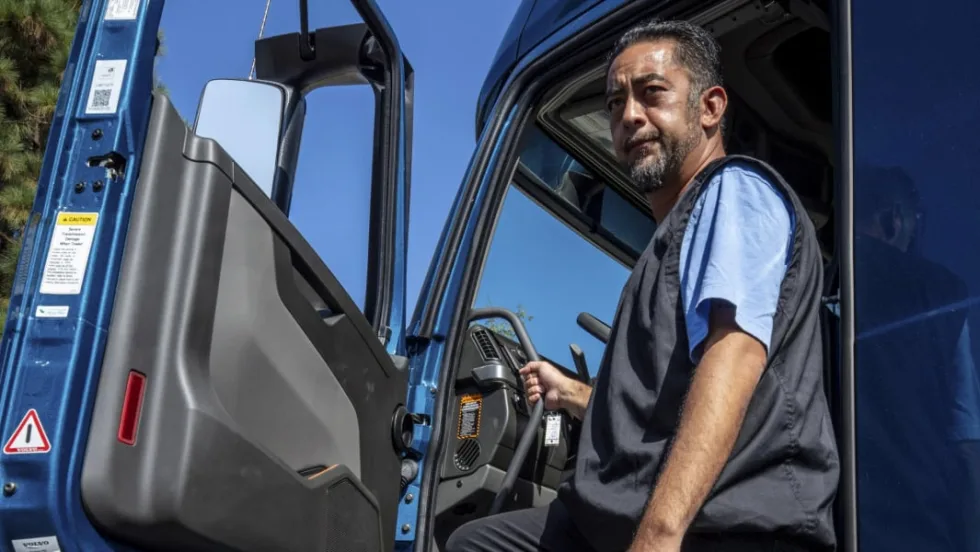
A Camera Isn't a Safety Program. Here's What Brokers Are Screening for Now
Footage alone may not be enough to pass broker vetting processes. Here's what counts as a defensible safety program now.
Read More →
Marijuana and Trucking’s Drug-Testing Dilemma
Marijuana is getting stronger, laws are changing, and drug tests still can’t reliably establish impairment. What does that mean for truck drivers and the fleets that employ them?
Read More →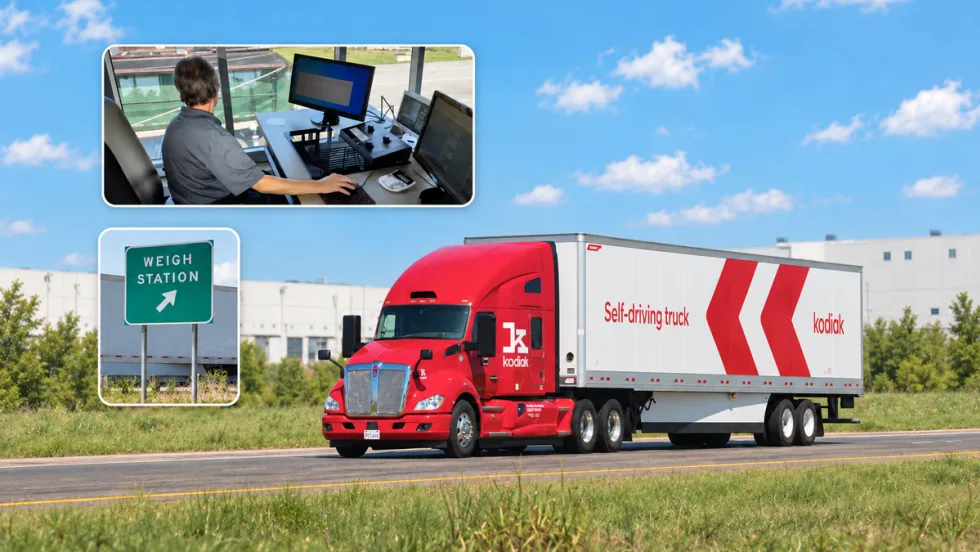
PrePass, Kodiak Connect Driverless Trucks to Roadside Enforcement
The system will allow enforcement agencies to verify Enhanced Inspection information and decide whether Kodiak’s autonomous trucks can bypass roadside screening sites.
Read More →
From One Generation to the Next: How Mentorship Builds Safer Truck Drivers
After three decades in trucking, Harold Perry shares what he's learned about driver safety, mentorship, and helping the next generation build confidence behind the wheel.
Read More →
FMCSA Pauses Biennial-Update Enforcement Amid Motus Transition
Carriers whose updates were due on or after June 1 have more time, while FMCSA works to stabilize its new registration system and warns of phishing sites impersonating its new carrier registration system, Motus.
Read More →
ZF Expands Commercial Vehicle Push in North America
ZF is expanding its North American commercial-vehicle presence with new transmission applications, electrification, trailer technology and autonomous-driving systems.
Read More →