




New Truck Safety Research Targets Work Zone Crashes
The American Transportation Research Institute (ATRI), the trucking industry’s not-for-profit research organization, has released a study that analyzes truck-related work zone crash data and offers ways to reduce those accidents.
The American Transportation Research Institute (ATRI), the trucking industry’s not-for-profit research organization, has released a study that analyzes truck-related work zone crash data and offers ways to reduce those accidents.
Called “Safety by Design: Optimizing Safety in Highway Work Zones,” the research analyzed truck-related work zone safety statistics. The study also examined national and multi-state data to differentiate truck crashes in work zones, as compared to non-work zone accidents. It presents a variety of tactics and approaches for reducing work zone accidents and exposure.
Recommendations include developing improved work zone specifications, standardizing accident reporting processes, and strengthening adherence to existing American Association of State Highway and Transportation Officials (AASHTO) work zone design guidelines.
“The study provides the basis for a partnership of the trucking industry and government to provide safer work zones for all motorists,” said ATRI Chairman Doug Duncan, president and CEO of FedEx Freight.
Among other factors, the study considers work zone accidents by time of day and location within the work zone. While critical of the availability and accuracy of truck-involved work zone accident data, it does provide important insights on improving work zone safety.
A key concern – based on findings that show that truck-car accidents are highly prevalent in the lane tapering region of work zones – is that many states are now considering reducing the length of work zone tapers in order to increase traffic flow and lane capacity.
But doing so may compromise safety as cars cut in front of trucks, forcing them to brake quickly.
“Given the emphasis that FHWA and state DOTs are placing on improving work zone safety, the issues raised in this report should be taken into account by all work zone planners,” said Dean Carlson, former Kansas DOT secretary and former AASHTO president. “At the very least, we need to ensure that AASHTO’s existing guidelines are closely followed, and that design specifications accommodate the unique characteristics of large trucks.”
For a copy of the executive summary, visit www.atri-online.org.
More Safety & Compliance
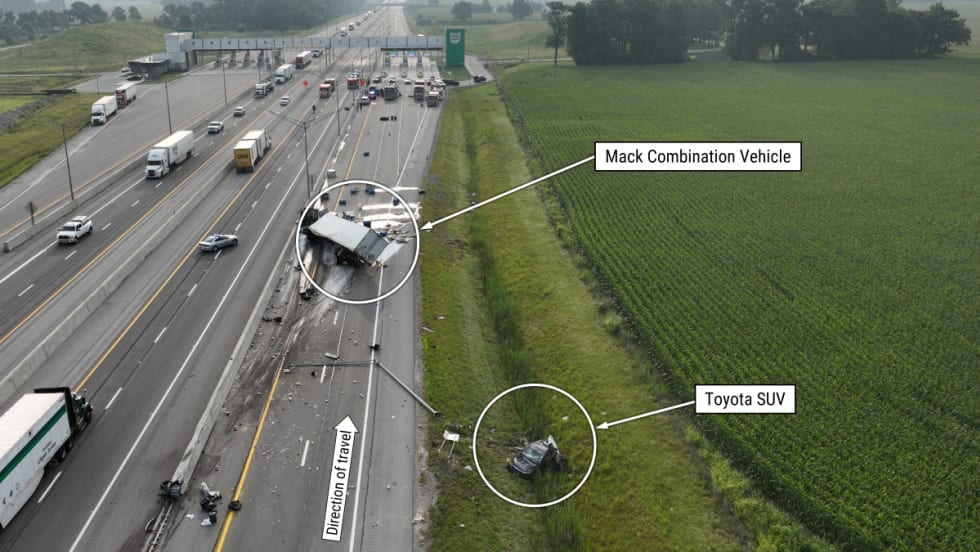
Fatal Crash Exposes Toll Plaza Risks
An NTSB investigation found that last-minute lane changes and large speed differences at an Ohio toll plaza created a hazard the truck driver couldn't avoid in time.
Read More →
When Language Stops the Truck: The Return of ELP Out-of-Service Orders
English language proficiency rules for commercial drivers aren’t new, but renewed out-of-service enforcement has raised the stakes. Here’s what carriers need to know before a driver reaches a roadside inspection.
Read More →
A Camera Isn't a Safety Program. Here's What Brokers Are Screening for Now
Footage alone may not be enough to pass broker vetting processes. Here's what counts as a defensible safety program now.
Read More →

Marijuana and Trucking’s Drug-Testing Dilemma
Marijuana is getting stronger, laws are changing, and drug tests still can’t reliably establish impairment. What does that mean for truck drivers and the fleets that employ them?
Read More →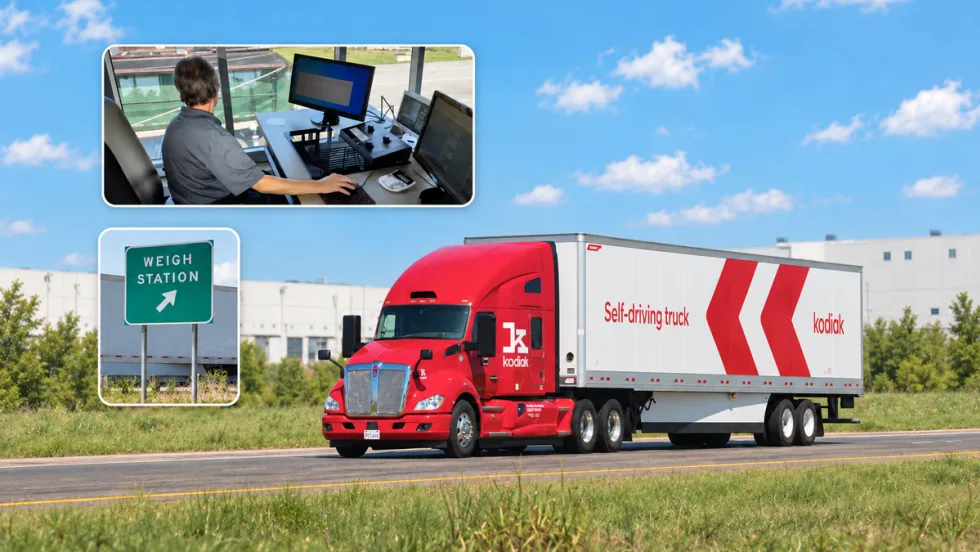
PrePass, Kodiak Connect Driverless Trucks to Roadside Enforcement
The system will allow enforcement agencies to verify Enhanced Inspection information and decide whether Kodiak’s autonomous trucks can bypass roadside screening sites.
Read More →
From One Generation to the Next: How Mentorship Builds Safer Truck Drivers
After three decades in trucking, Harold Perry shares what he's learned about driver safety, mentorship, and helping the next generation build confidence behind the wheel.
Read More →
FMCSA Pauses Biennial-Update Enforcement Amid Motus Transition
Carriers whose updates were due on or after June 1 have more time, while FMCSA works to stabilize its new registration system and warns of phishing sites impersonating its new carrier registration system, Motus.
Read More →
ZF Expands Commercial Vehicle Push in North America
ZF is expanding its North American commercial-vehicle presence with new transmission applications, electrification, trailer technology and autonomous-driving systems.
Read More →
Truck Drivers Need More Than Another Alert
Fleets have more visibility into truck health, safety events, and driver activity than ever. The next challenge is turning all that information into useful guidance for the person who has to decide what to do next.
Read More →
Tesla Wants a Self-Driving Semi. Are Cameras Enough?
Could Tesla’s camera-only autonomous driving technology work on an 80,000-pound Semi? In this commentary, HDT's Deborah Lockridge takes a look at Tesla, Cybercab, and how autonomous trucks see the road.
Read More →