




New Report Shows States With the Busiest Highways
Overall, vehicles traveled 2.95 trillion miles on U.S. roads in 2011, the eighth-highest level ever recorded, and nearly double the amount traveled in 1980. California drivers alone traveled more than 900 times the distance from the Earth to the Sun.
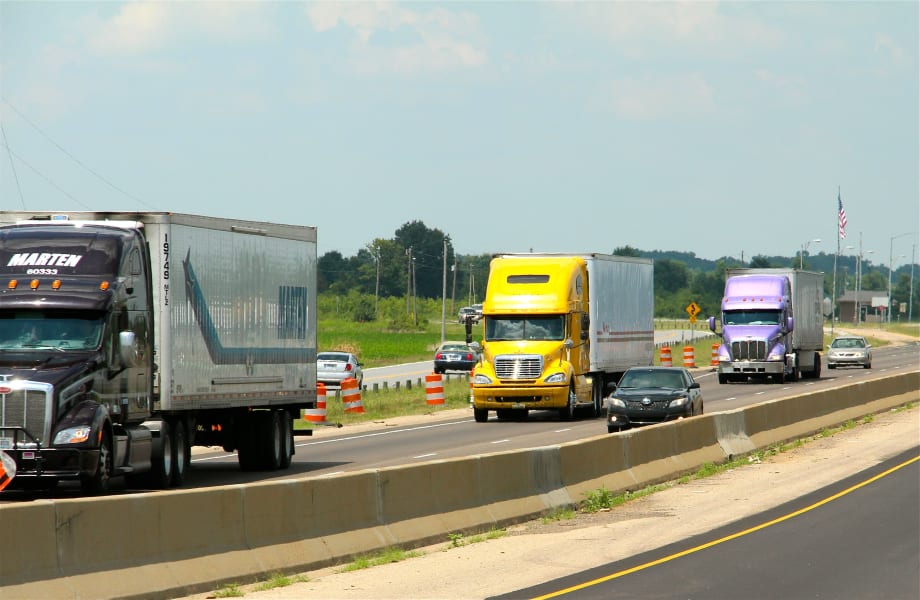
Photo: Evan Lockridge
The U.S. Department of Transportation's Federal Highway Administration has released a new report on the nation's busiest interstates showing people drove more than 84.7 billion miles on California highways in 2011, more than 900 times the distance from the Earth to the Sun, making the Golden State's highways the nation's busiest.
Overall, vehicles traveled 2.95 trillion miles on U.S. roads in 2011, the eighth-highest level ever recorded, and nearly double the amount traveled in 1980.

Traffic volume data from 2011, the most recent year available, show that the I-5 in California was the nation's busiest interstate, with 21.4 billion miles traveled that year. California's neighboring I-10 and I-110 followed as the second and third busiest, respectively. Los Angeles' section of I-405 serves an estimated 379,000 vehicles per day, making it the busiest interstate in any American city.
Texas came in second, with people driving more than 55.7 billion miles on its interstates, followed by Florida at 34.7 billion miles and Ohio at 31.4 billion miles.
Rounding out the top ten are:
Illinois, 31.033 billion miles
Georgia, 28.467 billion miles
Virginia, 24.062 billion miles
Pennsylvania, 23.662 billion miles
North Carolina, 21.241 billion miles
Michigan, 20.707 billion miles
The FHWA uses its Highway Performance Monitoring System to compute miles-traveled data for all interstates and highways. These data are based on thousands of automatic traffic recorders operated round-the-clock by state departments of transportation.
To see a complete list of the data, available by state and interstate, visit the FHWA's "U.S. Interstate Traffic Volume Analysis" at www.fhwa.dot.gov/interstatebrief2011/
More Drivers

EEOC Sues KLLM Over Alleged Sex Discrimination in Driver Training
KLLM is facing a federal sex-discrimination lawsuit over policies the EEOC alleges put female truck driver trainees at a disadvantage.
Read More →
FMCSA Moves to Codify English Language Requirements for Commercial Drivers
By changing regulations on English-language proficiency requirements for commercial drivers, rather than relying on a guidance memo, the FMCSA said future administrations won't be able to walk back the Trump administration's stricter enforcement with just a memo.
Read More →
Drivers Put Western Star Trucks to the Test at Star Nation Experience
Watch to get an inside look at the Western Star trucks, technology, and community behind the Star Nation Experience 2026!
Read More →
Trump Administration Looks to Put More Veterans Behind the Wheel
The Freedom Haulers program pulls together existing and expanded programs at several federal agencies to recruit veterans to drive commercial heavy-duty trucks and cut the red tape for them to get a CDL, training, and employment.
Read More →
Putting Mack’s Command Steer to the Test
A test drive of Mack’s Command Steer active steering system evaluates how it can make truck driving easier and less tiring.
Read More →
Competition Heating Up for Truck Drivers
New report reveals rising driver hiring costs, the return of sign-on bonuses, growing AI advantages, and the operational factors shaping driver retention.
Read More →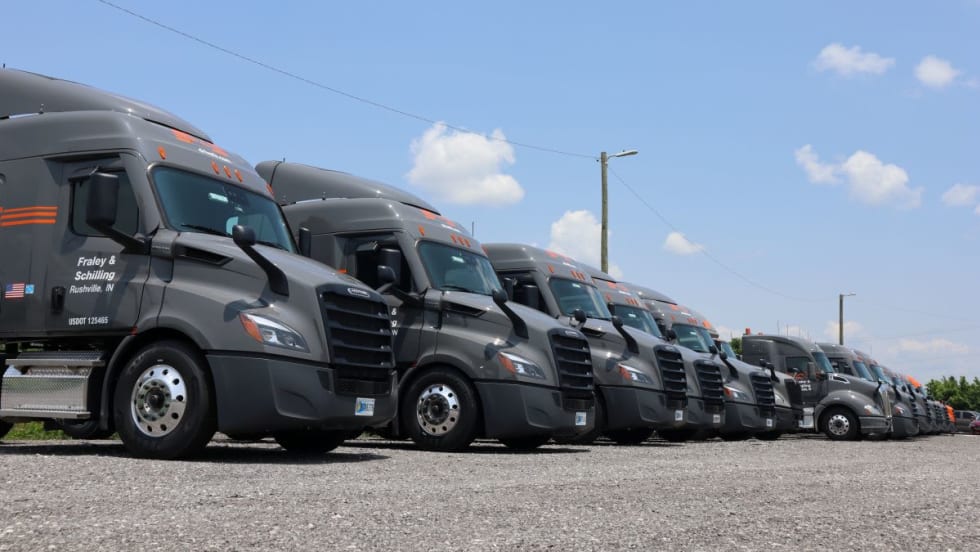
How Fraley & Schilling Improved Logbook Compliance by Over 50%
Fraley & Schilling needed a way to close a compliance workflow gap in its ELD system without adding more work from driver training, reminders, and back-office follow-ups. It found the answer in a custom driver app.
Read More →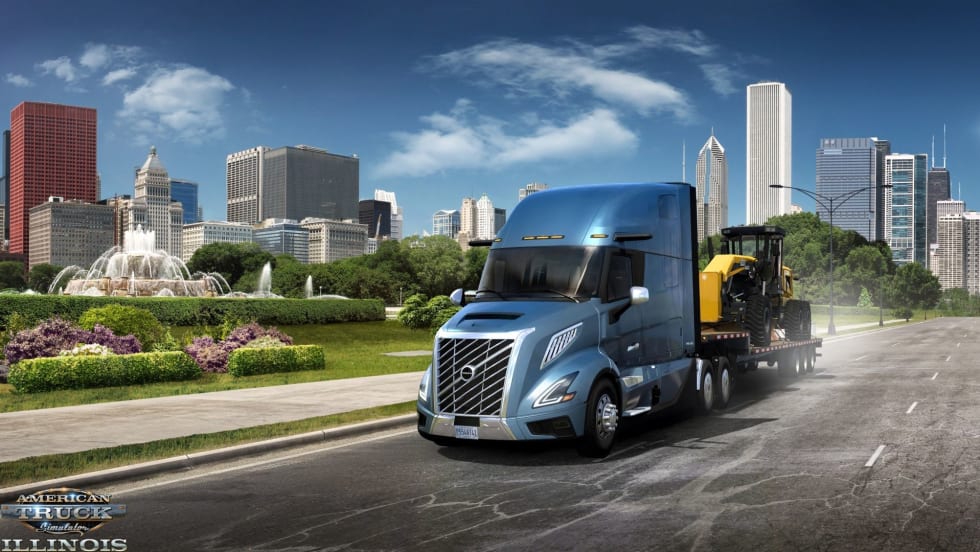
Volvo Goes Gaming
Volvo has roared into American Truck Simulator with two new flagship trucks.
Read More →
What the Best Fleets to Drive For Teach About Driver Retention
Survey fatigue, AI-powered routing, owner-operator expectations, and the decline of social media all emerged as themes from this year's Best Fleets to Drive For program.
Read More →
Driver Retention Lessons From the Best Fleets to Drive For
What separates trucking's best workplaces from the rest? Jane Jazrawy shares the biggest lessons from this year's Best Fleets to Drive For program on driver retention, communication, AI, and workforce trends on the HDT Talks Trucking podcast.
Read More →