




Nearly 1 Million Natural Gas Trucks and Buses Will Be Sold from 2012 to 2019
Because trucks and buses use significant amounts of fuel and tend to emit high levels of greenhouse gases, natural gas vehicles are increasingly attractive options in these commercial markets. At the same time, the rebounding construction industry is pushing growth in the overall truck market while cities and municipalities look to expand their public transit systems
Because trucks and buses use significant amounts of fuel and tend to emit high levels of greenhouse gases, natural gas vehicles are increasingly attractive options in these commercial markets.
At the same time, the rebounding construction industry is pushing growth in the overall truck market while cities and municipalities look to expand their public transit systems.
According to a recent report from Pike Research, a part of Navigant's Energy Practice, sales of natural gas trucks and buses will expand steadily over the remainder of the decade.
More than 930,000 of these vehicles will be sold worldwide from 2012 to 2019, the study concludes.
"Natural gas vehicles emit substantially lower levels of GHGs, particulate matter, and nitrogen oxide than either gasoline- or diesel-powered trucks and buses," says senior research analyst Dave Hurst. "What's more, compared to diesel engines, natural gas provides a financial benefit. In most cases, the higher incremental cost of a natural gas vehicle is typically recovered, due to lower fuel costs, within two to seven years."
NG trucks typically run on compressed natural gas because their tanks weigh less and are less costly than those for liquefied natural gas. LNG trucks, however, are increasingly used as longer-range vehicles (400 miles or more compared to 150 to 300 miles for CNG vehicles) and are seeing higher growth rates than CNG trucks (17% versus 14% in heavy-duty trucks).
The worldwide breakdown of refueling stations for these two types of natural gas is 117 LNG refueling stations versus 20,233 CNG refueling stations. About 45% of the LNG refueling stations are located in the United States, even though China has the largest annual sales for LNG-fueled trucks, with 3,020 vehicle sales in 2012.
The report, "Natural Gas Trucks and Buses", analyzes the global market opportunity for natural gas vehicles in the medium- and heavy-duty truck and bus markets. The report provides a comprehensive assessment of the current market, fuel availability, demand drivers, policy factors, and technology issues associated with the growth of these vehicles.
More Drivers

Driver Trust Can Make or Break the Success of Fleet Safety Technology
New Teletrac Navman research suggests that onboarding, transparency about driver data, and positive feedback can play a significant role in how commercial drivers respond to safety and coaching technology.
Read More →
EEOC Sues KLLM Over Alleged Sex Discrimination in Driver Training
KLLM is facing a federal sex-discrimination lawsuit over policies the EEOC alleges put female truck driver trainees at a disadvantage.
Read More →
FMCSA Moves to Codify English Language Requirements for Commercial Drivers
By changing regulations on English-language proficiency requirements for commercial drivers, rather than relying on a guidance memo, the FMCSA said future administrations won't be able to walk back the Trump administration's stricter enforcement with just a memo.
Read More →
Drivers Put Western Star Trucks to the Test at Star Nation Experience
Watch to get an inside look at the Western Star trucks, technology, and community behind the Star Nation Experience 2026!
Read More →
Trump Administration Looks to Put More Veterans Behind the Wheel
The Freedom Haulers program pulls together existing and expanded programs at several federal agencies to recruit veterans to drive commercial heavy-duty trucks and cut the red tape for them to get a CDL, training, and employment.
Read More →
Putting Mack’s Command Steer to the Test
A test drive of Mack’s Command Steer active steering system evaluates how it can make truck driving easier and less tiring.
Read More →
Competition Heating Up for Truck Drivers
New report reveals rising driver hiring costs, the return of sign-on bonuses, growing AI advantages, and the operational factors shaping driver retention.
Read More →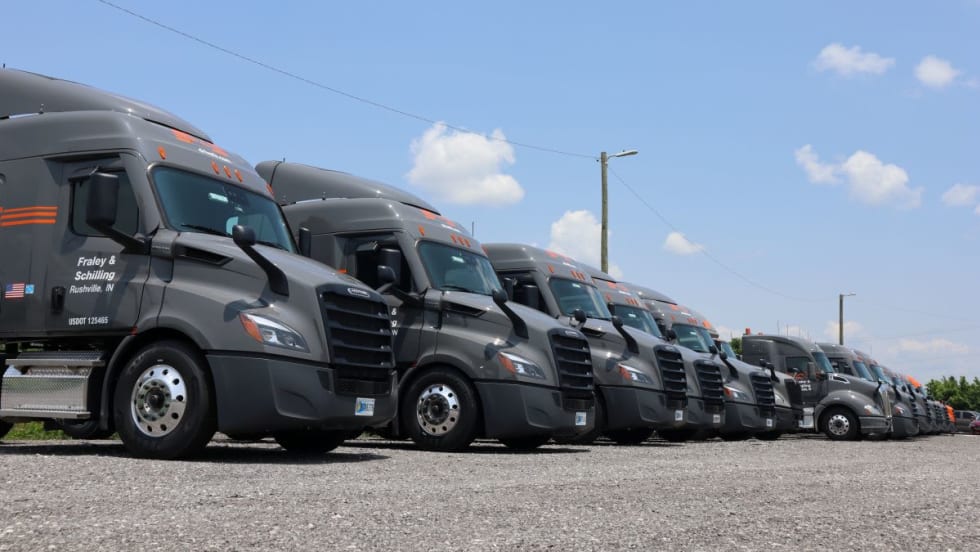
How Fraley & Schilling Improved Logbook Compliance by Over 50%
Fraley & Schilling needed a way to close a compliance workflow gap in its ELD system without adding more work from driver training, reminders, and back-office follow-ups. It found the answer in a custom driver app.
Read More →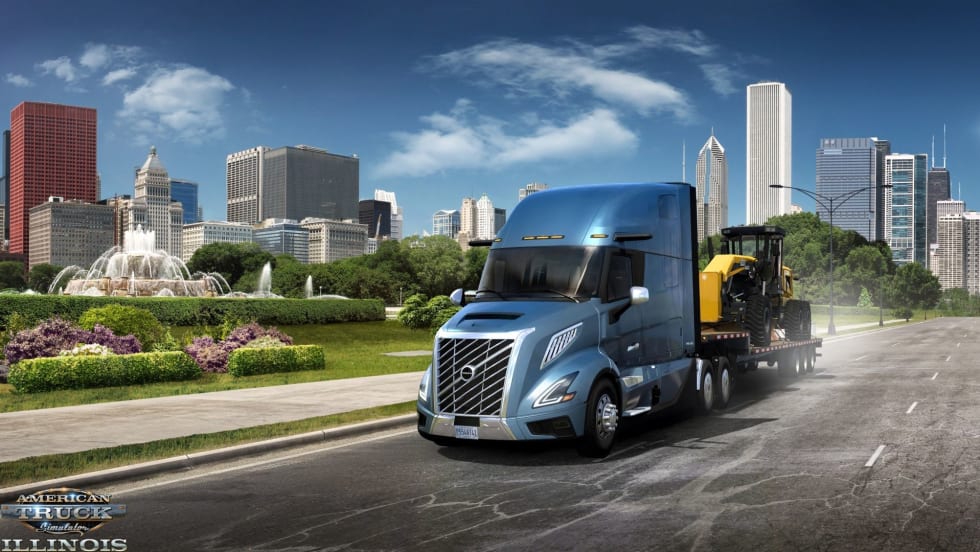
Volvo Goes Gaming
Volvo has roared into American Truck Simulator with two new flagship trucks.
Read More →
What the Best Fleets to Drive For Teach About Driver Retention
Survey fatigue, AI-powered routing, owner-operator expectations, and the decline of social media all emerged as themes from this year's Best Fleets to Drive For program.
Read More →