




Navistar's OnCommand Connection Hits 200,000 VINs
Navistar, Inc. announced subscriptions to OnCommand Connection (OCC), the company's open architecture remote diagnostics system, have surpassed the 200,000 vehicle mark.
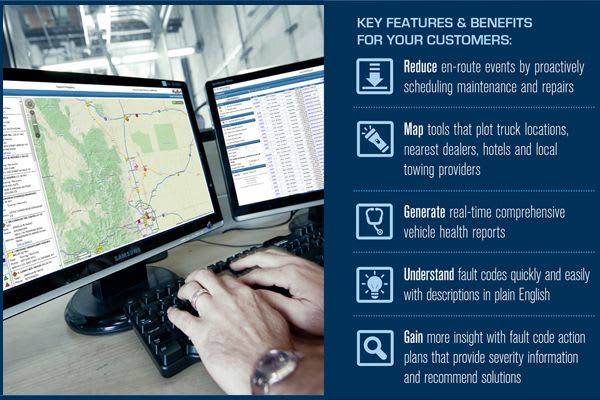
Navistar, Inc. announced subscriptions to OnCommand Connection (OCC), the company's open architecture remote diagnostics system, have surpassed the 200,000 vehicle mark.
This milestone reflects OnCommand Connection's rapid rate of subscriber growth since it was initially demonstrated in October 2013. It also underscores the system's integration with a large and growing number of leading telematics service providers (TSPs). OnCommand Connection is already integrated with 16 TSPs [link to web portal showing TSP list], with several additional TSPs now in the process of being integrated. Illustrating this breadth of coverage is the fact that approximately two-thirds of the vehicles now in the system were manufactured by other OEMs besides Navistar.
"OnCommand Connection continues to grow its subscriber base by proving its value to a wide range of customers who are seeking a one-stop telematics solution for their entire fleets," said Terry Kline, Navistar senior vice president and chief information officer. "Through our strategy of integrating with a wide range of leading telematics service providers, we are able to provide unique, single-portal access to fleet managers and other customers who want their fleet's vehicle health information available through a single integrated portal. This open-architecture approach is helping many customers achieve significant uptime improvements while also driving reduced maintenance costs."
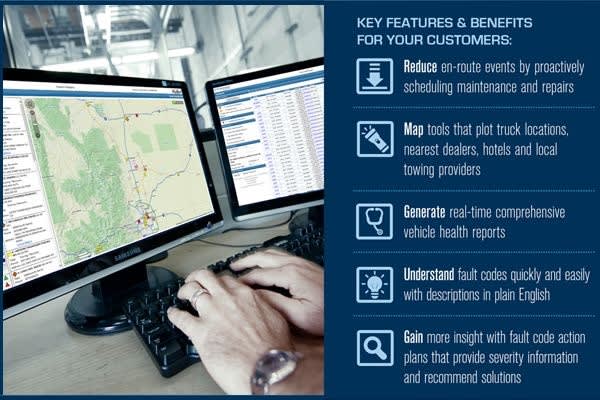
Vehicle status and diagnostic trouble code data from the TSPs are transmitted to OnCommand Connection, which then interprets this data and creates easy-to-understand vehicle health reports and recommended action plans for all brands of vehicles and engines, which can be accessed through an online portal, e-mails and other types of alerts, as determined by the customer. By integrating and interpreting vehicle health information in a customer-friendly format, OnCommand Connection enables fleet users and other customers to achieve more efficient repairs and maintenance, better lifecycle value, and an overall lower total cost of ownership, giving them increased visibility into maintenance needs and better control of their business.
To learn more about OnCommand Connection, visit www.OnCommandConnection.com.
More Maintenance
Oil Crisis Squeezes Trucking Lubricant Supplies
Fleets report higher lubricant costs as Middle East disruptions tighten supplies of ingredients used in synthetic engine oils and some driveline lubricants.
Read More →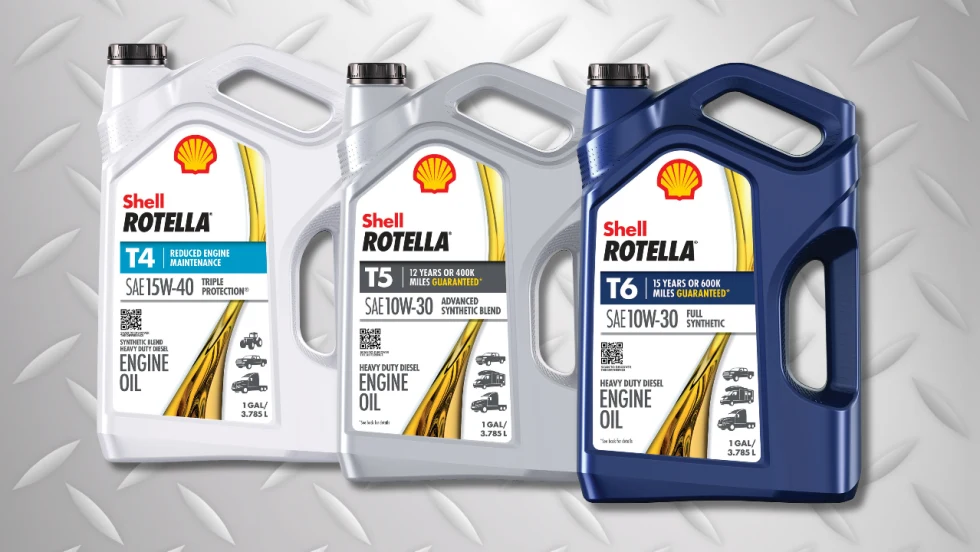
Shell Prepares Rotella Oils for 2027
New CL-4 and FB-4 formulations will begin arriving in early 2027, with improved protection against oil breakdown, wear and deposits, according to Shell.
Read More →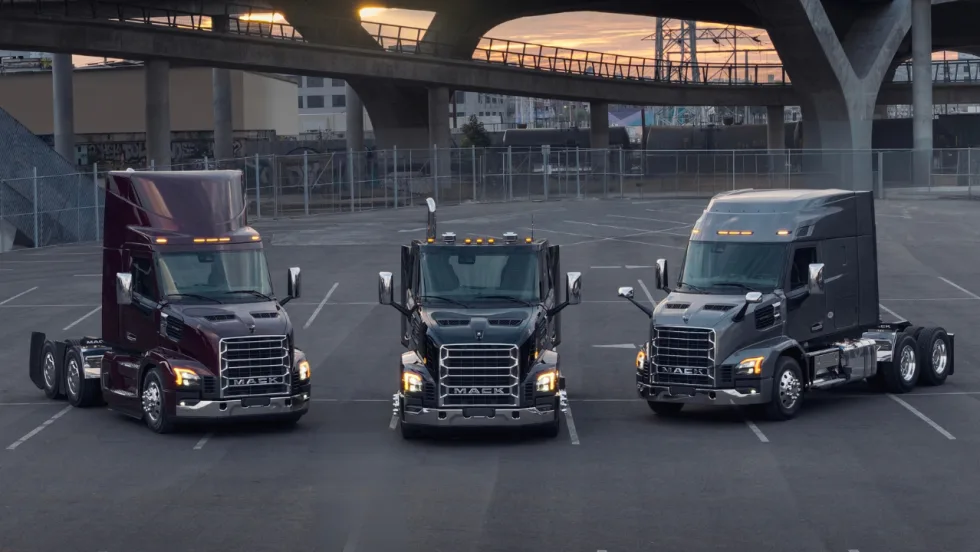
Mack Expands Extended Coverage With Four Chassis System Plans
Mack Trucks' new system-specific coverage options allow heavy-duty fleets to select protection for driveline, cab, HVAC, electronics, and advanced safety components.
Read More →
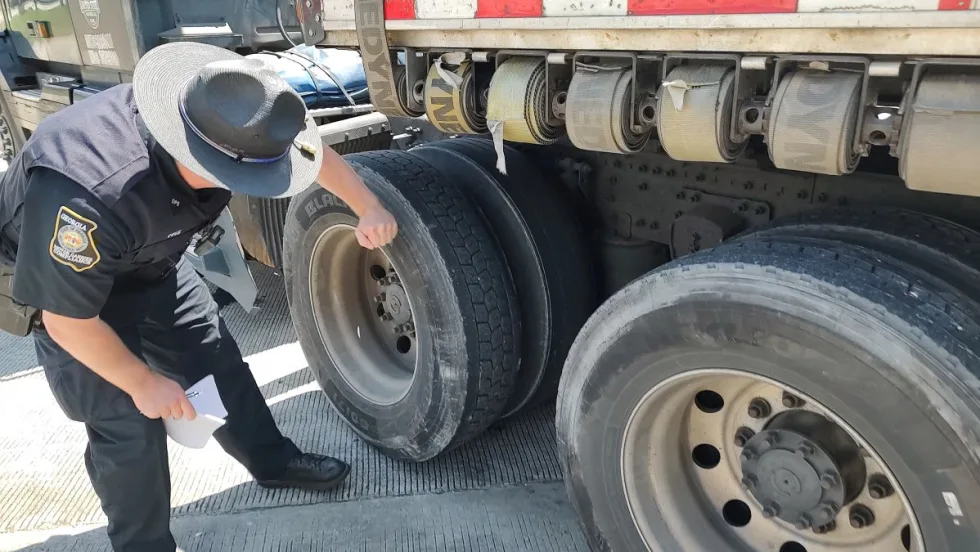
What an Out-of-Service Order Really Costs, and How to Plan for One
The repair invoice is the first number you see — and often one of the smallest. Here’s what else an out-of-service order can cost a fleet, and how planning can reduce the damage.
Read More →
International Launches Online Truck Parts Store
Fleetrite.com lets fleets and repair shops find OEM and all-makes parts, check prices and availability, and order without calling a parts counter.
Read More →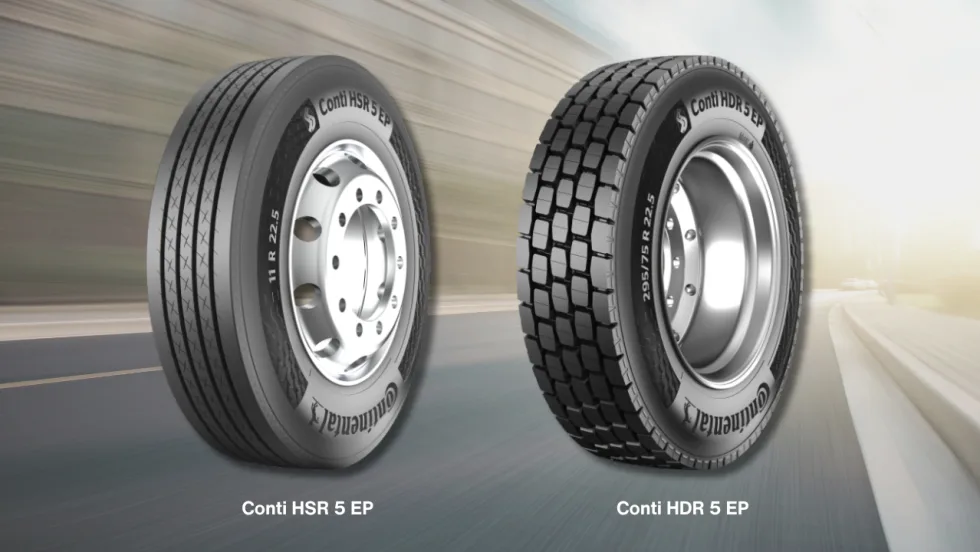
Continental Introduces New Regional Truck Tires
Continental says its new Generation 5 steer and drive tires for regional operations offer longer tread life, with estimated mileage gains of 22% and 19%, respectively.
Read More →
How AI Can Help Your Techs’ Efficiency
The technician shortage isn't going away, and no single fix can close the gap on its own. Trent Broberg makes the case that AI's real job in the shop is protecting the billable hours and job satisfaction of the techs you already have, not asking them to work faster.
Read More →
Color Match Smarter: Tools That Restore & Perform
For fleet managers and collision repair professionals keeping heavy-duty trucks on the road, getting the color right the first time isn't just about appearance — it's about efficiency, turnaround time, and bottom-line results. Discover how today's digital color tools are transforming the repair process from guesswork to precision.
Read More →
Wrong Repair Prompts Recall of Freightliner, Western Star 4x2 Trucks
DTNA is recalling more than 2,400 trucks that received an incompatible software fix instead of the hardware repair required to address brake valve corrosion.
Read More →
Truck Drivers Need More Than Another Alert
Fleets have more visibility into truck health, safety events, and driver activity than ever. The next challenge is turning all that information into useful guidance for the person who has to decide what to do next.
Read More →