




ALK Conference Keynote Addresses Driver Retention
During his opening keynote during the ALK Technology Conference, J.B. Hunt's Richie Henderson outlined the causes of the ongoing driver shortage, how to resolve it, and how technology can help.

Richie Henderson, J.B. Hunt Transport's senior vice president of administration and technology, gives the May 20 keynote.

In his keynote address during the opening day of the ALK Technology Conference in Princeton, N.J., Tuesday, Richie Henderson set the theme for the rest of the day.
“Everything begins and ends with the customer and employee experience,” he told the packed house. “The customer experience is the new differentiator [when it comes to our industry].
And with this customer-centric focus, the pressing problems of the trucking industry have come to the forefront. At the top of the list is the driver shortage, which Henderson, who is senior vice president of administration and technology for J.B. Hunt Transport, says will hit critical levels — a deficit of at least 239,000 — within a decade. What’s primarily fueling the shortage are stagnant driver wages. The new hours of service rules and infrastructure issues aren’t helping matters.
Raising wages will only be a temporary fix, however. “Ultimately how drivers are treated, the equipment they have to use, how much time home they have, and how they’re treated by the customer is more crucial,” Henderson said.
Retaining qualified drivers makes good economic sense. Henderson noted that it costs $5,000 to $10,000 to replace a single driver. “And this is inflationary to the U.S. economy. The cost will be passed on to the consumer,” he said.
Capacity is another issue forcing drivers out of the market. For instance, the DOT's Compliance, Safety, Accountability enforcement regime disqualified about 3% of drivers. When new hours of service rules came online last year, it had a negative impact on between 3% and 5% of drivers. Speed controls are also limiting capacity. With the lack of drivers and other constraints, Henderson said, freight prices will rise between 4% and 6%.
Compounding the capacity issues is what Henderson termed the “Omni Channel.” Essentially, this is a consumer-driven phenomenon where there is a demand for a seamless buying experience in which an order will be fulfilled within about 24 hours. It is here that technology can play a part, with better routing and scheduling.
“We all better get good at data analytics,” Henderson said. In fact, he predicted that successful trucking companies will be those with the best analytics. Piggy-backing on this is “Big Data” (another theme of the first day of the conference).
Finally, the improving economy will put added pressure on recruiting and retaining drivers and strain capacity further.
In closing, Henderson shared J.B. Hunt’s goal — and a recipe that could be used by the rest of the industry — to retain good drivers: “Enriching employee lives and build a sustainable culture based on the service experience.”
More Drivers

Drivers Put Western Star Trucks to the Test at Star Nation Experience
Watch to get an inside look at the Western Star trucks, technology, and community behind the Star Nation Experience 2026!
Read More →
Trump Administration Looks to Put More Veterans Behind the Wheel
The Freedom Haulers program pulls together existing and expanded programs at several federal agencies to recruit veterans to drive commercial heavy-duty trucks and cut the red tape for them to get a CDL, training, and employment.
Read More →
Putting Mack’s Command Steer to the Test
A test drive of Mack’s Command Steer active steering system evaluates how it can make truck driving easier and less tiring.
Read More →
Competition Heating Up for Truck Drivers
New report reveals rising driver hiring costs, the return of sign-on bonuses, growing AI advantages, and the operational factors shaping driver retention.
Read More →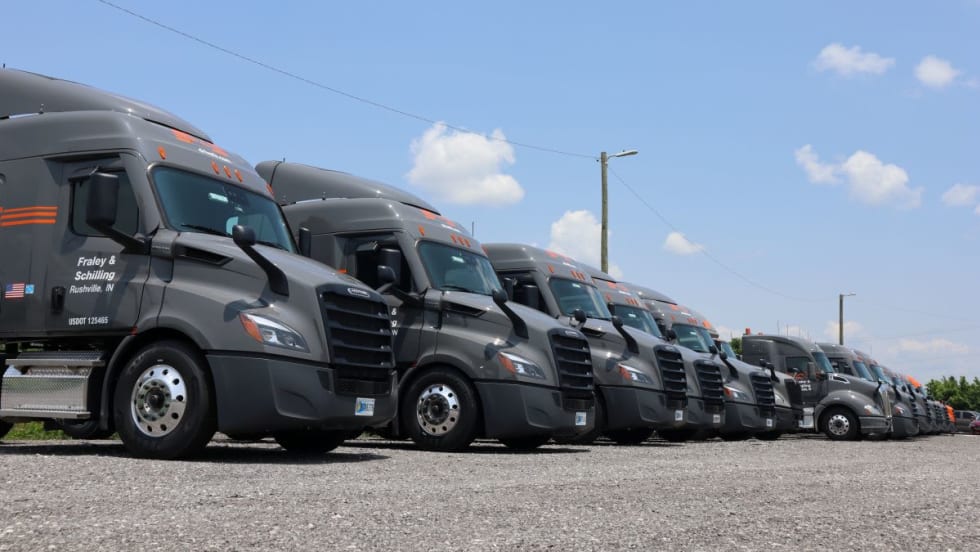
How Fraley & Schilling Improved Logbook Compliance by Over 50%
Fraley & Schilling needed a way to close a compliance workflow gap in its ELD system without adding more work from driver training, reminders, and back-office follow-ups. It found the answer in a custom driver app.
Read More →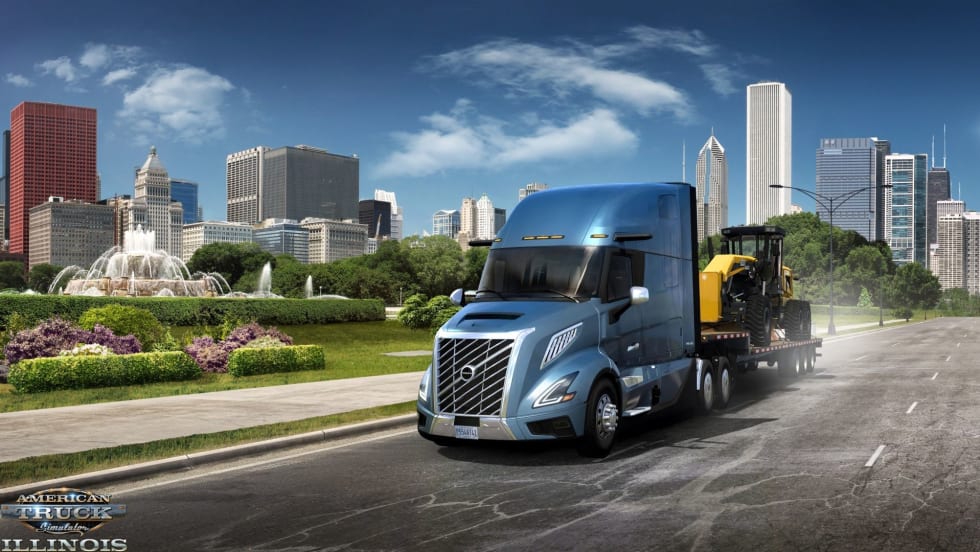
Volvo Goes Gaming
Volvo has roared into American Truck Simulator with two new flagship trucks.
Read More →
What the Best Fleets to Drive For Teach About Driver Retention
Survey fatigue, AI-powered routing, owner-operator expectations, and the decline of social media all emerged as themes from this year's Best Fleets to Drive For program.
Read More →
Driver Retention Lessons From the Best Fleets to Drive For
What separates trucking's best workplaces from the rest? Jane Jazrawy shares the biggest lessons from this year's Best Fleets to Drive For program on driver retention, communication, AI, and workforce trends on the HDT Talks Trucking podcast.
Read More →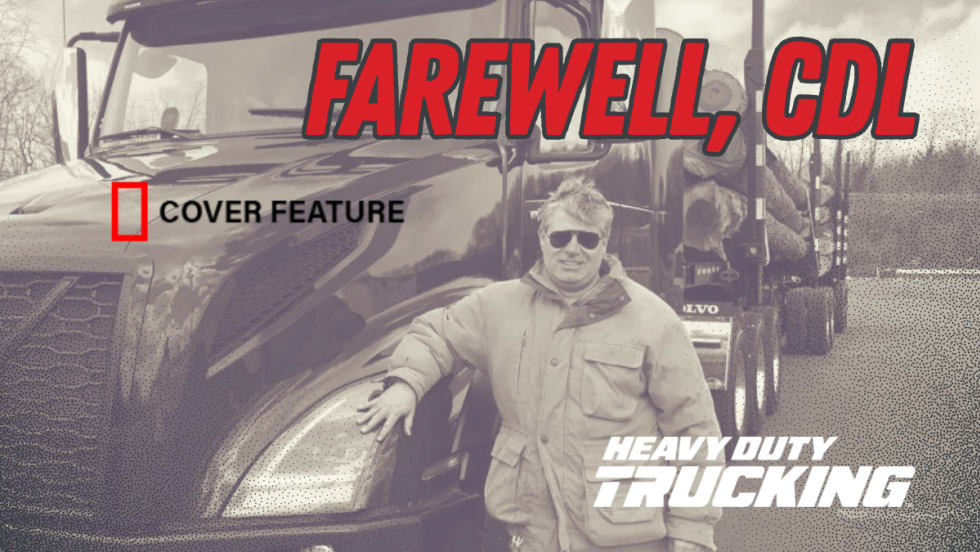
Farewell, CDL: Why I'm Giving Up My Commercial Driver's License
After more than 20 years as a CDL holder, HDT Executive Editor Jack Roberts is letting his commercial license expire. Not because he wants to — but because trucking's nuclear verdict crisis has made the risks of public-road test drives too great for editors, manufacturers, and everyone involved.
Read More →
How Top Trucking Fleets Improve Driver Retention [Video]
What do healthy snacks, optimized routing, and just picking up the phone have in common? They're all strategies the Best Fleets to Drive For are using to retain truck drivers.
Read More →