




Investigation Into I-5 Bridge Collapse Continues, Preliminary Reported Expected By End of June
The National Transportation Safety Board has released an update in its continuing investigation into the May 23 bridge collapse in Mount Vernon, Wash., along Interstate 5.

The National Transportation Safety Board has released an update in its continuing investigation into the May 23 bridge collapse in Mount Vernon, Wash., along Interstate 5.
Its investigators interviewed the driver of the pilot vehicle on Monday. The driver, who investigators characterized as very cooperative, described the approach to the bridge and indicated that she saw it collapse in her rearview mirror. The account of her activities in the 72 hours prior to the accident did not reveal anything unusual or of significant interest to investigators.
Investigators also examined the pilot vehicle for the first time on Monday. The vehicle was equipped with a fiberglass measuring pole mounted on the front of the pick-up truck, which was used to detect potential vertical clearance obstructions.
The NTSB says it is aware of reports of a second tractor-trailer combination unit on the bridge at the same time that the bridge was struck by the truck pulling the oversized load. Investigators are attempting to track down that driver to gather any additional information that may be relevant to the investigation.
All of the bridge structure components of interest to investigators have been removed from the river and are in the process of being documented. While additional witness interviews may be conducted, the NTSB has concluded its work at the bridge site.
About a week after the bridge collapse, an NTSB investigator traveled to the headquarters of the company that was pulling the oversize load that struck the bridge, and possibly causing a 160-foot section of the bridge to collapse, Mullen Trucking in Alberta, Canada. The purpose it says is to gather information on the motor carrier’s operations, safety history, training process, maintenance procedures and records, and other documents related to the investigation.
In a media briefing near the accident site on May 25, the NTSB said that Washington State does not require vertical clearance signage to be posted unless the clearance is fourteen feet four inches or less. Further research indicated that the actual minimum vertical clearance over the travel lanes requiring signage is fifteen feet three inches or less. In either reference, the Skagit River Bridge measures greater than fifteen feet three inches over the travel lanes and therefore does not require signage.
The incident resulted in Mullen earlier blaming the Washington state DOT for allowing the load to use the route while the state has said the ultimate responsibility for making sure the route was proper was the responsibility of the trucking company.
NTSB hasn’t said how long it will take to complete its investigation, but a preliminary report is expected by the end of the month.
There are reports Washington may seek payment from Mullen and its insurance company for the damage, if NTSB determines the collapse was due to negligence by the trucking company.
Traffic is currently being detoured around the collapse leading to some traffic delays, especially heading north around peak traffic times. A temporary bridge is on track to be installed and open around mid-month.
More Drivers

Driver Trust Can Make or Break the Success of Fleet Safety Technology
New Teletrac Navman research suggests that onboarding, transparency about driver data, and positive feedback can play a significant role in how commercial drivers respond to safety and coaching technology.
Read More →
EEOC Sues KLLM Over Alleged Sex Discrimination in Driver Training
KLLM is facing a federal sex-discrimination lawsuit over policies the EEOC alleges put female truck driver trainees at a disadvantage.
Read More →
FMCSA Moves to Codify English Language Requirements for Commercial Drivers
By changing regulations on English-language proficiency requirements for commercial drivers, rather than relying on a guidance memo, the FMCSA said future administrations won't be able to walk back the Trump administration's stricter enforcement with just a memo.
Read More →
Drivers Put Western Star Trucks to the Test at Star Nation Experience
Watch to get an inside look at the Western Star trucks, technology, and community behind the Star Nation Experience 2026!
Read More →
Trump Administration Looks to Put More Veterans Behind the Wheel
The Freedom Haulers program pulls together existing and expanded programs at several federal agencies to recruit veterans to drive commercial heavy-duty trucks and cut the red tape for them to get a CDL, training, and employment.
Read More →
Putting Mack’s Command Steer to the Test
A test drive of Mack’s Command Steer active steering system evaluates how it can make truck driving easier and less tiring.
Read More →
Competition Heating Up for Truck Drivers
New report reveals rising driver hiring costs, the return of sign-on bonuses, growing AI advantages, and the operational factors shaping driver retention.
Read More →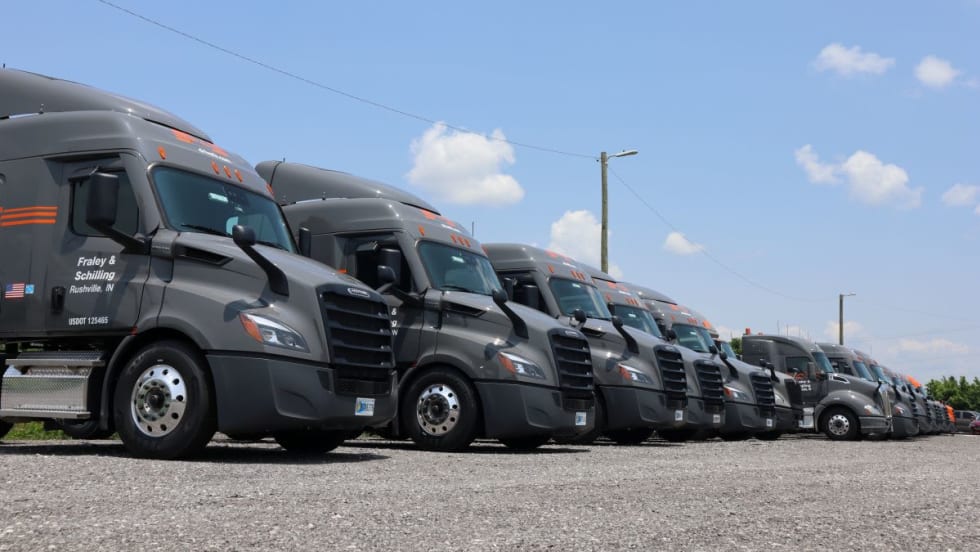
How Fraley & Schilling Improved Logbook Compliance by Over 50%
Fraley & Schilling needed a way to close a compliance workflow gap in its ELD system without adding more work from driver training, reminders, and back-office follow-ups. It found the answer in a custom driver app.
Read More →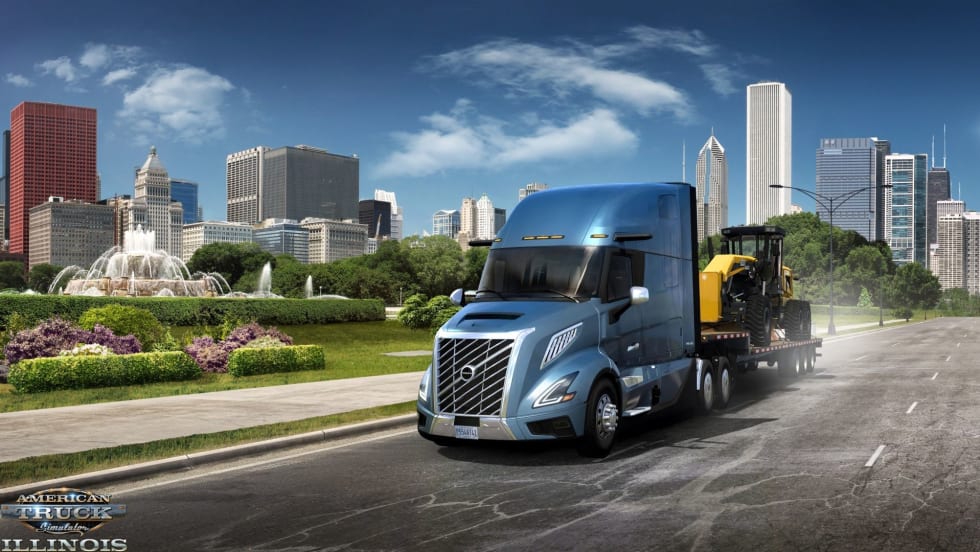
Volvo Goes Gaming
Volvo has roared into American Truck Simulator with two new flagship trucks.
Read More →
What the Best Fleets to Drive For Teach About Driver Retention
Survey fatigue, AI-powered routing, owner-operator expectations, and the decline of social media all emerged as themes from this year's Best Fleets to Drive For program.
Read More →